Autunno in Barbagia in Atzara 2026: Cortes Apertas
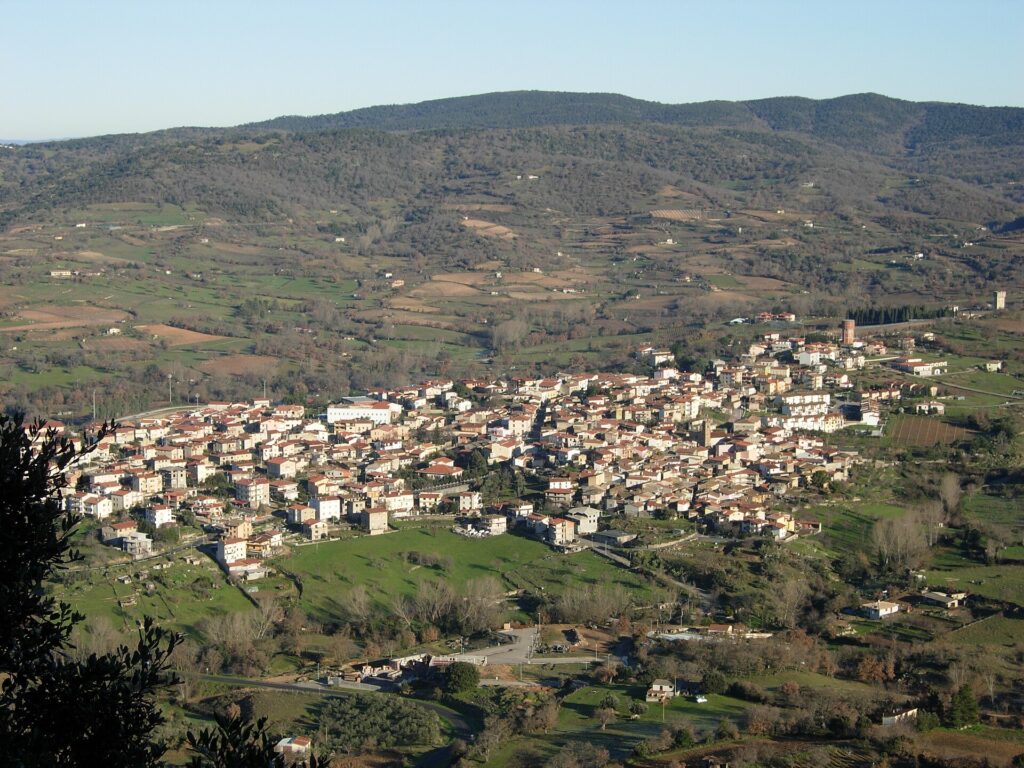
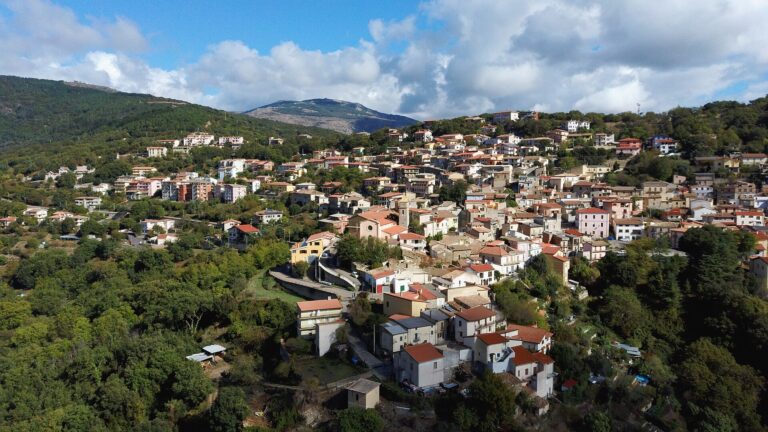
On Saturday 21 and Sunday 22 November 2026 Atzara opens its courtyards, historic houses and wine cellars for its stop of Autunno in Barbagia – Cortes Apertas. In the heart of the Mandrolisai, among hills covered in vines, this village – listed among “I Borghi più belli d’Italia”, the most beautiful villages in Italy – brings together two passions: Mandrolisai DOC wine and the painting that made its costumes famous across Europe in the early 1900s.
History: Atzara, wine and painters
Autunno in Barbagia (“Autumn in Barbagia”) is a season of village festivals: every weekend from September to December, a different inland village opens its cortes, the courtyards of traditional houses, to share food, crafts and traditions. Atzara’s stop has often carried a telling title: “from wine to painting”.
The village is medieval, probably founded around the year 1000, and its old centre still shows the Catalan-era layout: low granite houses, oak beams, doors and windows framed in carved stone. In the 17th century the feudal lords lived in the palace of the Counts of San Martino, known locally as Palazzo de su Conte.
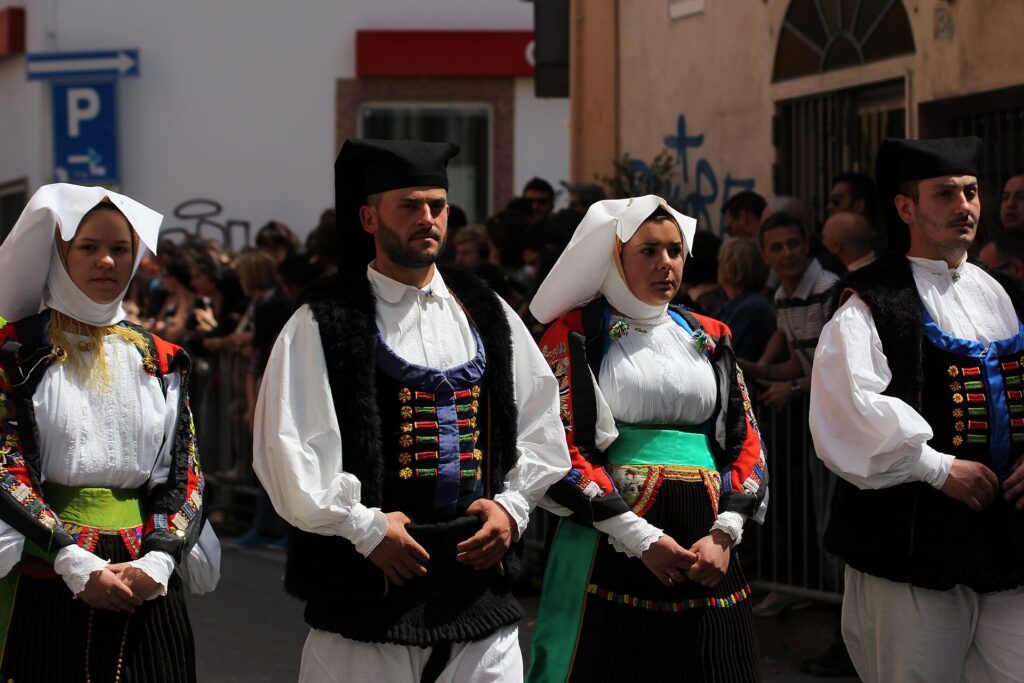
In the early 20th century Atzara drew a group of Spanish costumbrista painters, who depicted everyday life and dress: Eduardo Chicharro, Antonio Ortiz Echagüe and Bernaldo de Quirós. The great Sardinian artists of the time followed, among them Giuseppe Biasi, Filippo Figari, Francesco Ciusa and Mario Delitala. The women’s traditional headdress, sa tiagiola, became a recurring subject in their work.
What to see during Cortes Apertas in Atzara
Start at the MAMA – Antonio Ortiz Echagüe Museum of Modern and Contemporary Art, set in a restored 19th-century building. It has a historic room with early-1900s photos of the village, a gallery of works by Spanish, Italian and Sardinian artists and a space for temporary exhibitions.
Next, the parish church of Sant’Antioco, a fine late-15th-century Gothic-Catalan building with two Baroque wooden altars, a late-16th-century Madonna and Child and old silverware. Smaller and older is the Romanesque church of Santa Maria Bambina.
During Cortes Apertas, courtyards and storerooms host craftspeople, food producers and wineries. Recent editions included tastings and cellar visits, the “Longevitas Mandrolisai” wine trail, dressing in Atzara’s traditional costume, natural and indigo dyeing demonstrations, the opening of the first barrel of new wine, the s’antiga parade, seen as a good omen for the wine and harvest, and evenings of Sardinian song and dance. The 2026 programme is published by the town and organisers, so check before you go.
Food to try and things to take home
The star is Mandrolisai, a DOC (protected designation) red wine from the hills around Atzara, Sorgono and nearby villages. It blends three Sardinian grapes: Bovale sardo (locally Muristellu), Cannonau (Sardinia’s Grenache) and Monica. It’s a characterful red, great with roast meats and mountain cheeses, and a bottle bought straight from a local grower is the perfect souvenir.
Sweets here are mostly almond-based: look for is bucconettes, su gattou (almond brittle) and sa tumballa ‘e latte. Also typical is su pane ‘e sapa, made with sapa (cooked grape must), once offered to visitors during the patron saint’s feast. Atzara is also known for its rugs and fine textiles.
The village and the surrounding area
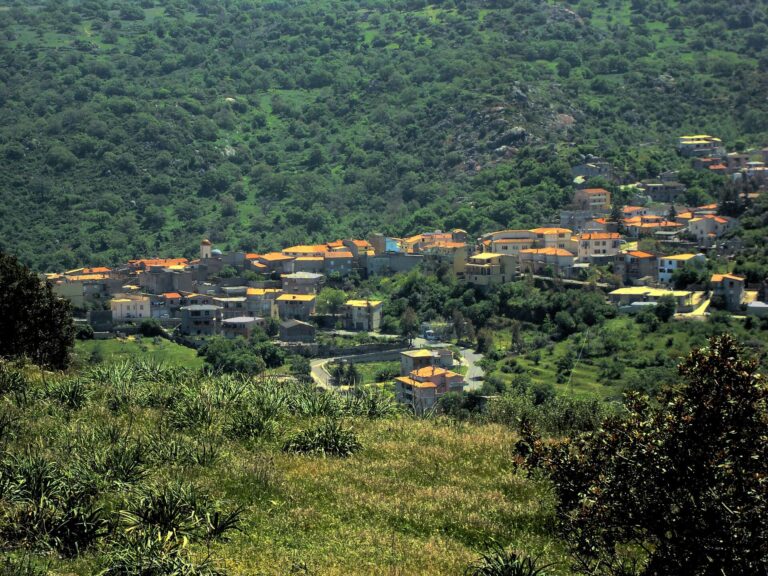
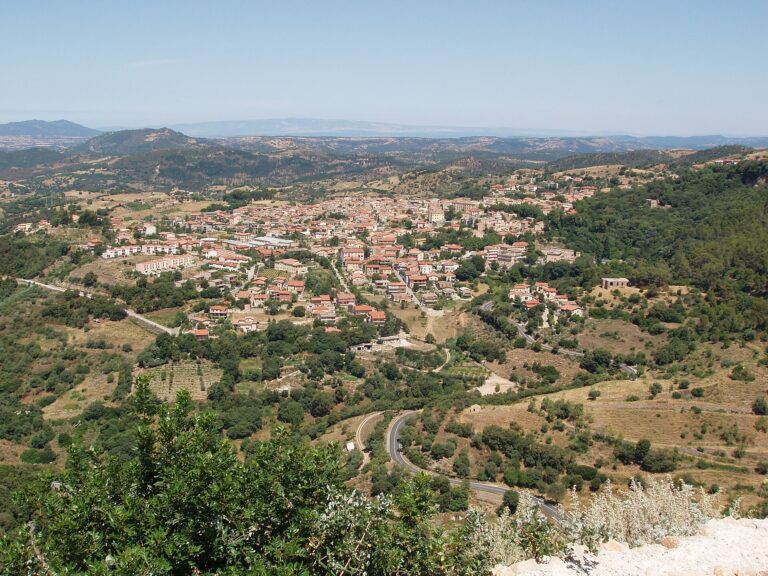
Atzara lies on the south-western slopes of the Gennargentu massif, on the border between the provinces of Nuoro and Oristano. Vineyards, orchards, woods and hills make up the landscape, and the autumn light is the same that captivated the painters. The area is rich in prehistoric sites: domus de janas (rock-cut tombs), giants’ tombs and nuraghi, the Bronze Age stone towers typical of Sardinia. The best known is the well-preserved Nuraghe Abba Gadda.
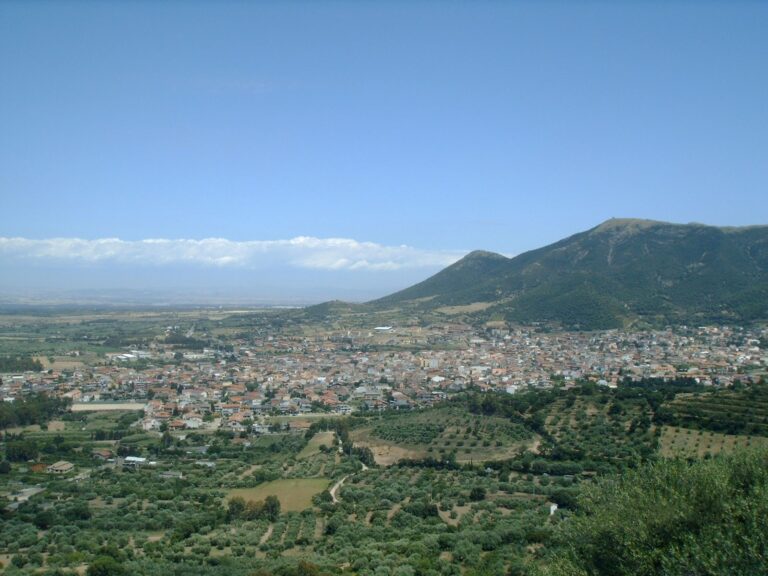
A few minutes away is Sorgono, the main town of the Mandrolisai, with the Nuraghe Lò and the country sanctuary of San Mauro. You can continue to Tonara, famous for nougat, Tiana with its old fulling mill, Meana Sardo and, further south, Laconi with its park and menhir museum.
How to get to Atzara and practical tips
- From Cagliari airport or port: via the SS131, then towards the Mandrolisai, about 1 hour 45 minutes.
- From Oristano: about 1 hour.
- From Olbia airport or port: about 2 hours 30 minutes.
- From Alghero airport or Porto Torres: about 2 hours via the SS131.
A car is the most practical option, as weekend public transport inland is limited. If you plan to taste wine, have a designated driver. Arrive in the morning to enjoy the museum and cellars before the afternoon crowds. November in the hills is cool and may be rainy: dress in layers and wear comfortable shoes for stone streets. Bring cash for producers and craftspeople. Atzara and Sorgono have B&Bs and agriturismi (farm stays), but they fill up during the event, so book early.
Cortes Apertas Atzara 2026: FAQ
When is Autunno in Barbagia in Atzara in 2026?
Saturday 21 and Sunday 22 November 2026. Detailed times are announced by the town and organisers shortly before.
What kind of wine is Mandrolisai DOC?
A red (also made as a rosé) from the Mandrolisai area, blended from Bovale sardo, Cannonau and Monica. Atzara is one of its main centres and also holds a wine festival in May.
Why is Atzara called the village of painters?
Because in the early 1900s Spanish painters such as Antonio Ortiz Echagüe and Eduardo Chicharro stayed here, followed by many Sardinian artists, all portraying local costume and life. The MAMA museum tells this story.
What can I see in Atzara in one day?
The MAMA museum, the church of Sant’Antioco, the old granite streets and at least one Mandrolisai winery; with extra time, the Nuraghe Abba Gadda and nearby Sorgono.
Source: www.portalesardegna.com