Autunno in Barbagia in Gadoni 2026: Cortes Apertas
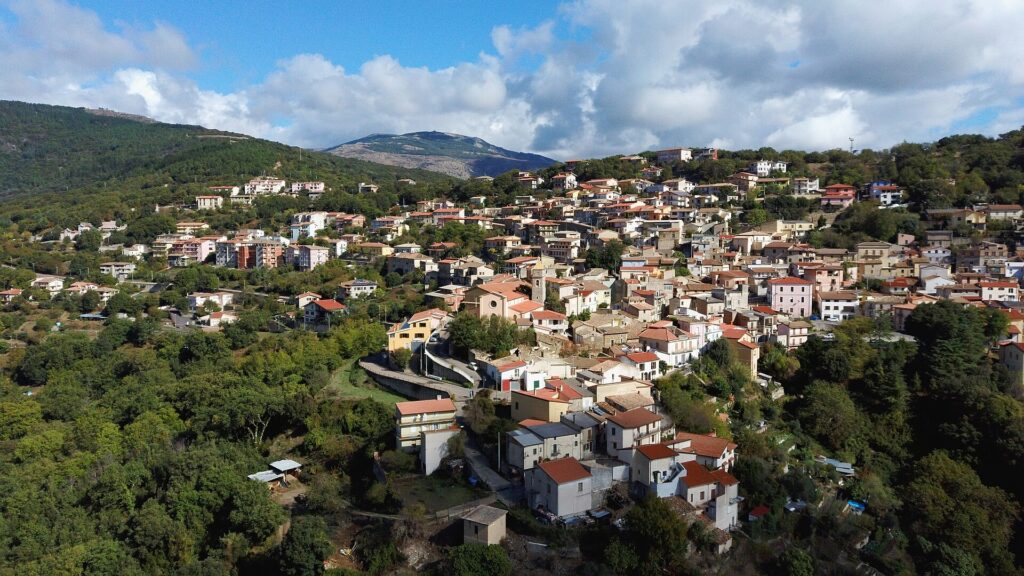
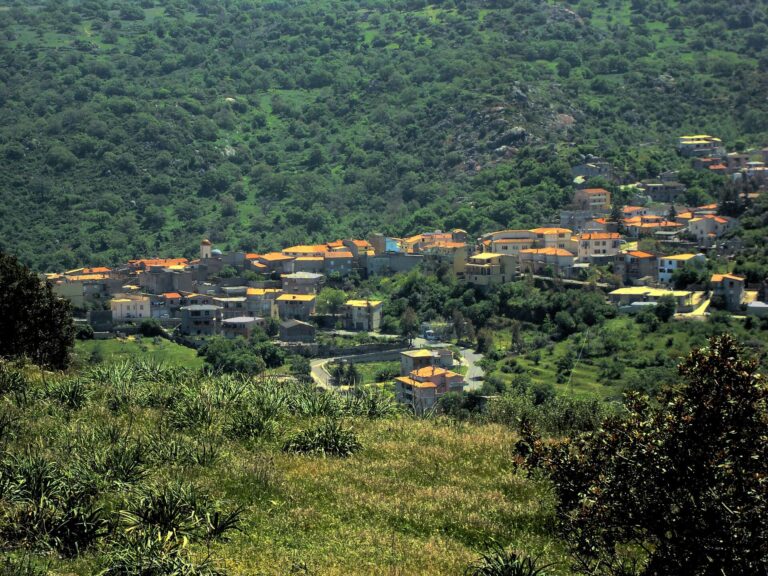
On Saturday 28 and Sunday 29 November 2026 Gadoni closes November’s run of Autunno in Barbagia – Cortes Apertas by opening the homes and courtyards of its old centre. A small mountain village in the Barbagia di Belvì, overlooking the Flumendosa valley, Gadoni has been tied for thousands of years to the copper of the Funtana Raminosa mine, now an industrial heritage museum.
History: Gadoni, the copper village
Autunno in Barbagia (“Autumn in Barbagia”) is a festival season in which, every weekend from September to December, a different village of inland Sardinia welcomes visitors. Cortes are the courtyards of traditional homes, and during Cortes Apertas (“open courtyards”) families and associations open them to show local food, crafts and customs. In recent years Gadoni’s stop has been called Prendas de Jerru, “treasures of winter”.
The present village dates from the 15th century, but its land has a much longer story. Copper is Gadoni’s symbol: bronze objects found at Funtana Raminosa and Seddas is Puzzus show that the Nuragic people (Sardinia’s Bronze Age civilisation) were already smelting metal mined here. Phoenicians, Carthaginians and Romans dug tunnels that were reused by the modern mine in the early 20th century. Until the end of the 1900s the village lived off mining; today it relies on farming, livestock and crafts.
The mine still shapes the calendar: in early December Gadoni celebrates Saint Barbara, patron of miners, while the village’s own patron, Saint Martha, is honoured in late July.
What to see during Cortes Apertas in Gadoni
The heart of the visit is the oldest quarter, laid out in a semicircle, with lanes paved in red and black stone, flights of steps and high retaining walls. Here the domos antigas, the old houses, open with exhibitions, and local producers and craftspeople fill the courtyards. In the centre stand the parish church of the Assunta and the church of Santa Marta.
Gadoni is known for sa burra, a traditional woollen rug woven by women on a horizontal loom. Born as a blanket for cold winter nights, it later became a table cover, and during processions it is hung from windowsills and balconies. You’ll also see woodworking and honey production.
Recent editions included bonfires in the square, traditional song and dance, evening music and the fire ritual Is Fraccheras. Check the town and organisers for the 2026 programme. Don’t miss the Funtana Raminosa mine, one of the richest copper mines in Europe and part of Sardinia’s Geomining Park; guided tours must be booked in advance with the local tourist office.
Food to try and things to take home
Gadoni’s cooking is Sardinian mountain food: sheep and goat cheese, roast meats, honey and many kinds of bread. Look for pistoccu, a dry, crisp bread that keeps for a long time, pani ‘e pattata, made with potatoes, and festive breads such as cocoi erda and mustazzu a corrusu. Local honey from this wooded, flower-rich land makes a great gift.
For something lasting, a small handwoven wool rug or a carved wooden object made by a village craftsperson will tell Gadoni’s story far better than any mass-produced souvenir.
The village and the surrounding area
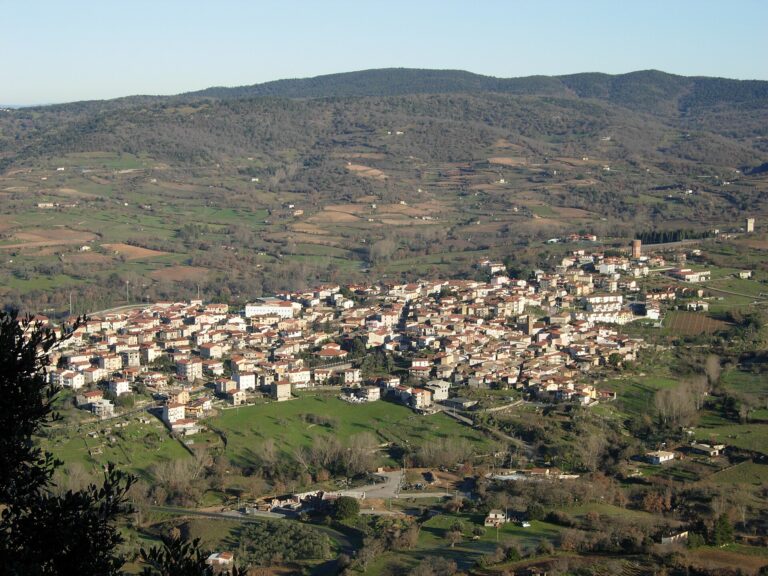
Gadoni has around 800 inhabitants and sits at about 700 metres on the slopes of the Gennargentu massif. Its land is a paradise for nature lovers: gorges, canyons, waterfalls and pools among woods and limestone rocks. The Corongia plateau holds a forest of holm oak, yew, terebinth and juniper; the Flumendosa valley is lined with walnut, cherry and chestnut trees; the Crontas woods are home to birds of prey including the golden eagle.
Natural highlights include the caves of Gruttas Albas, with soaring vaults, and Gruttas de Perdu, rich in stalactites and stalagmites; the cliffs of Lattinazzu with the rock spire of su Campalini; the almost lunar landscape of Monte sa Scova; the sa Stiddiosa waterfall and the natural pools of Is Caddaias on the border with Seulo. Trails for hiking and horse riding cross the area. Nearby, visit Aritzo, Belvì, Seulo and, a little further south, Laconi.
How to get to Gadoni and practical tips
- From Cagliari airport or port: about 2 hours by car, via the SS131 and then inland roads towards Laconi and the Barbagia di Belvì.
- From Nuoro: about 1 hour 30 minutes.
- From Olbia airport or port: at least 2 hours 30 minutes.
- From Alghero airport or Porto Torres: about 2 hours 30 minutes via the SS131.
You need a car, and the last stretch is on narrow, winding mountain roads, so leave plenty of time. Late November in Gadoni is cold, especially in the evening around the bonfires: bring a warm coat, a hat and shoes with good grip for stone lanes and steps. If you want to visit the mine, book ahead and bring a warm layer for underground. Carry cash for small producers. Beds in the village are few, so look for a B&B in Gadoni or nearby villages such as Aritzo and book early.
Cortes Apertas Gadoni 2026: FAQ
When is Autunno in Barbagia in Gadoni in 2026?
Saturday 28 and Sunday 29 November 2026. Times and activities are published by the town and organisers shortly before.
Can I visit the Funtana Raminosa mine?
Yes, on guided tours that must be booked. Demand is high during the event, so contact Gadoni’s tourist office in advance.
What is sa burra?
Gadoni’s traditional woollen rug, woven on a horizontal loom. Once a bed blanket, then a table cover, it is now one of the village’s craft symbols.
What is there to see near Gadoni?
The sa Stiddiosa waterfall and Is Caddaias natural pools, the Gruttas Albas caves, the Corongia plateau and the Flumendosa valley, plus the villages of Aritzo, Belvì and Seulo.
Source: www.portalesardegna.com