Saboris Antigus 2026 in Siurgus Donigala and nearby
Saboris Antigus – Sardinian for “old flavours” – is a travelling food festival that tours the villages of the Trexenta and Sarcidano every autumn, celebrating home cooking, local producers and recipes passed down through families. On the Sundays from 15 to 29 November 2026 it stops in Siurgus Donigala and nearby villages: a lovely excuse to spend a day in rural southern Sardinia, among wheat fields, old churches and tables laid the traditional way.
Saboris Antigus: the story behind the festival
In Italy a sagra is a village festival built around a local food. Saboris Antigus takes that idea and spreads it across a whole area. Its full name is Sa dia de is saboris antigus in is bias de su trigu – “the day of old flavours along the roads of wheat”. The Trexenta has always been grain country, remembered as one of the “granaries of Rome”: gentle hills, fertile soil and a farming culture shaped by the cycle of wheat, from sowing to baking bread.
Nine villages take part, each hosting one stop in turn: Gergei, Selegas, Serri, Siurgus Donigala, Gesico, Suelli, Guasila, Nurri and Mandas. The 2026 edition is the thirteenth, and its focus is on people: the producers, the families who keep traditional recipes alive, and the young people who choose to stay in – or return to – their villages.
The full festival runs over a longer period in autumn and winter. On the Sundays from 15 to 29 November, the official programme lists Siurgus Donigala (15 November), Gesico (22 November) and Suelli (29 November). Always check the latest programme from the town councils and organisers before you set off.
What happens at Saboris Antigus
Each stop has its own personality, but the format is familiar. The village centre fills with stalls showing off local food and crafts, often organic or sold directly by the people who make them. You taste, you buy straight from the producer and, above all, you talk: it is one of those rare chances to ask a shepherd how he ages his cheese or a grandmother how she kneads her bread.
A typical day includes:
- tastings of local products and traditional dishes;
- craft workshops and demonstrations of old techniques;
- meetings with chefs and guests who reinterpret local recipes;
- visits to the art, archaeology and nature of the host village.
Times, menus and guests for each Sunday are announced by the organisers. Our tip: arrive in the late morning, when the stalls are open and the atmosphere is at its liveliest.
What to eat and take home
The star is wheat, and with it bread: traditional loaves baked in wood-fired ovens, semolina bread and hand-shaped festive breads. Alongside you will find home-made fresh pasta, sheep’s and goat’s cheeses, cured meats, honey, olive oil and wines from local vineyards.
Look out too for traditional sweets made with almonds, sapa (cooked grape must) and fresh cheese, which vary from village to village. Around Siurgus Donigala the hills are covered with cork oaks, so cork crafts make a very typical souvenir. Bring a roomy bag: bread, cheese and preserves are hard to resist when you are buying from the people who made them.
Things to see in Siurgus Donigala and around
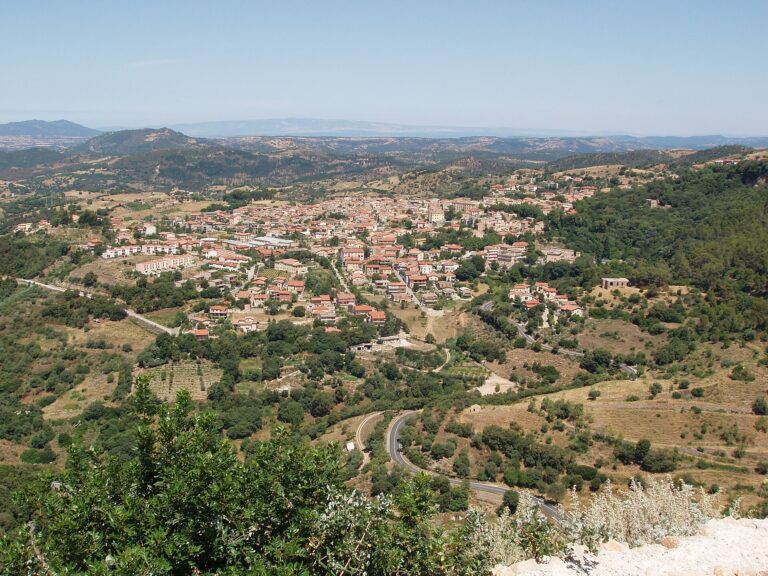
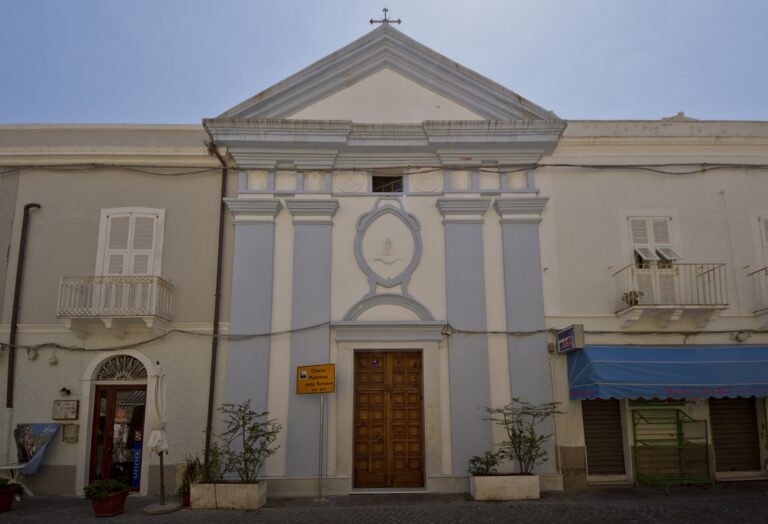
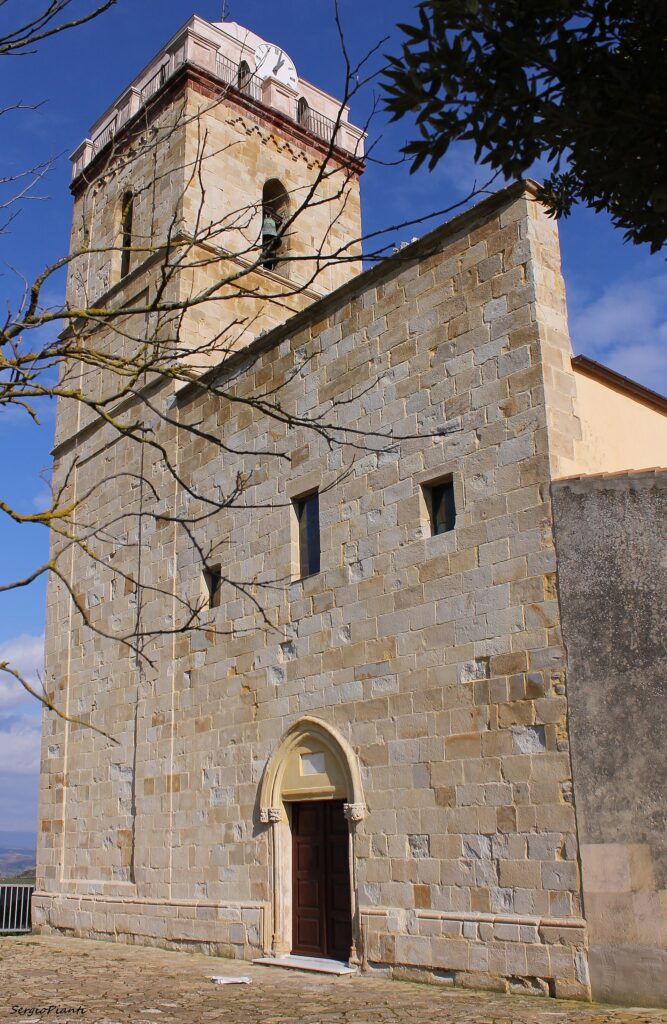
Siurgus Donigala was formed in 1927 by merging two villages, Siurgus and Donigala. In Roman times it lay on the road between Karalis (ancient Cagliari) and the Sarrabus, and in the Middle Ages it was the seat of a local district. Worth a visit are the parish church of San Teodoro, of Byzantine origin, the churches of Santa Susanna and San Francesco and, in Donigala, the church of Nostra Signora di Monserrato and the sanctuary of San Sebastiano.
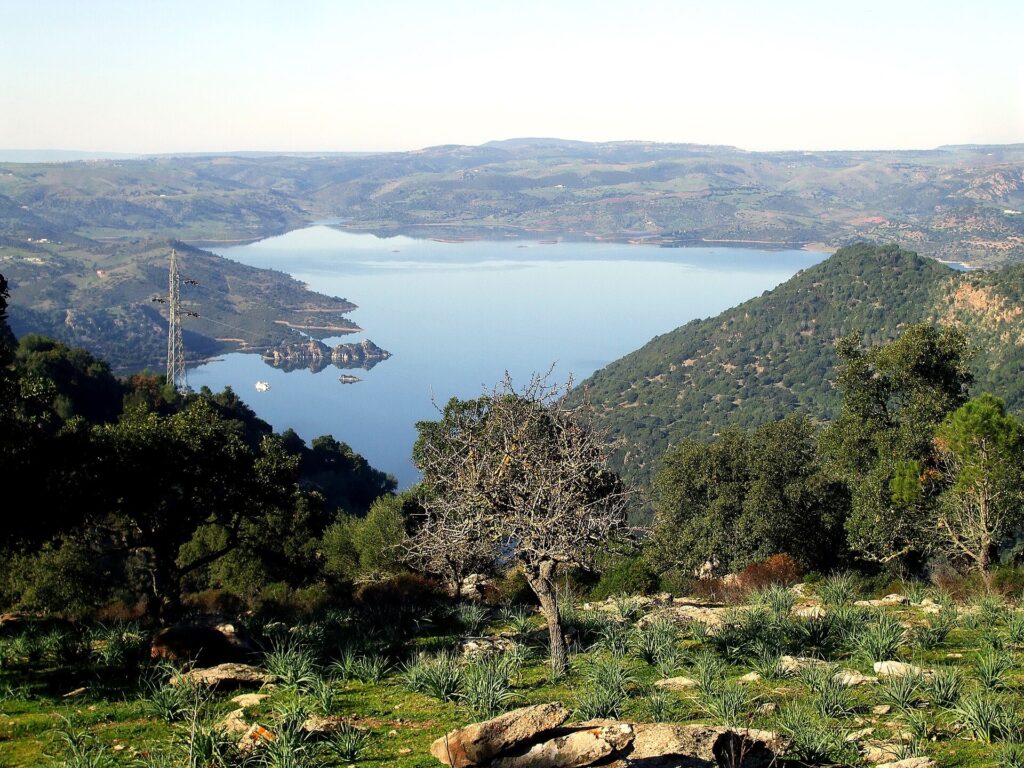
The area is dotted with dozens of nuraghi – the stone towers of Sardinia’s Bronze Age civilisation. The most important is Su Nuraxi, around which the first village grew up, while Arcei is thought to be the oldest. A few kilometres away lies Lake Mulargia, a large reservoir surrounded by hills, ideal for a walk, a bike ride or sunset photos.
Nearby you can combine the festival with Suelli and its church of San Pietro, linked to a medieval diocese; Gesico and its San Sebastiano complex; Mandas with the church of San Giacomo; the Pranu Mutteddu archaeological park in Goni, famous for its standing stones; and the nuragic sanctuary of Santa Vittoria in Serri, one of the most atmospheric prehistoric sites on the island.
Getting there and practical tips
Siurgus Donigala is in southern Sardinia, about an hour’s drive from Cagliari, with its Elmas airport and ferry port. From Alghero or Olbia airports, allow around three hours. A car is by far the easiest option: the stops move between villages and public transport is scarce on Sundays.
- What to wear: late November can be cool and damp, especially in the evening. Bring a jacket and comfortable shoes.
- Cash: not every small producer takes cards, so keep some euros in your pocket.
- When to arrive: late morning, so you can browse calmly and stay for lunch.
- Where to stay: the area mostly offers B&Bs and agriturismi (farm stays); otherwise base yourself in Cagliari and make it a day trip.
Saboris Antigus 2026: FAQ
When is Saboris Antigus 2026 in Siurgus Donigala and nearby?
On the Sundays from 15 to 29 November 2026. According to the official programme, the stop is in Siurgus Donigala on 15 November, Gesico on 22 November and Suelli on 29 November. The wider festival covers nine villages and continues on other dates.
What does “Saboris Antigus” mean?
It means “old flavours” in the Campidanese variety of Sardinian. The full name translates as “the day of old flavours along the roads of wheat”.
Which villages take part?
Nine villages in the Trexenta and Sarcidano: Gergei, Selegas, Serri, Siurgus Donigala, Gesico, Suelli, Guasila, Nurri and Mandas.
Source: siviaggia.it