Saffron Festival in Turri 2026
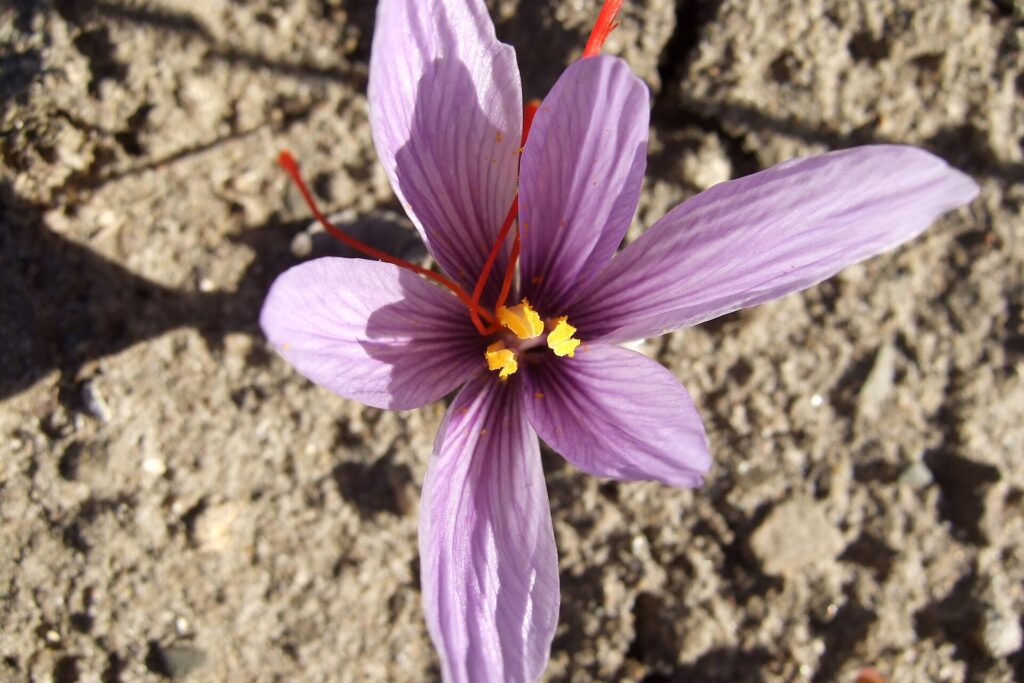
On Sunday 22 November 2026 the small Marmilla village of Turri closes the Strade dello Zafferano di Sardegna DOP (“Saffron Roads”) festival with its own sagra, the word Sardinians use for a village food festival. A few hundred residents, courtyards opened to visitors, crocus fields just outside the houses and farmhouse dishes scented with saffron: this is the most intimate of the three stops.
Turri, the village with saffron flowers on its coat of arms
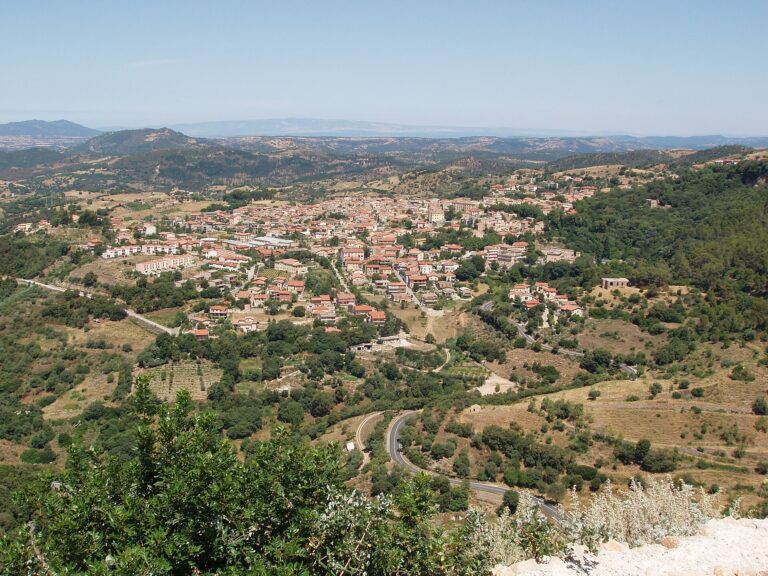
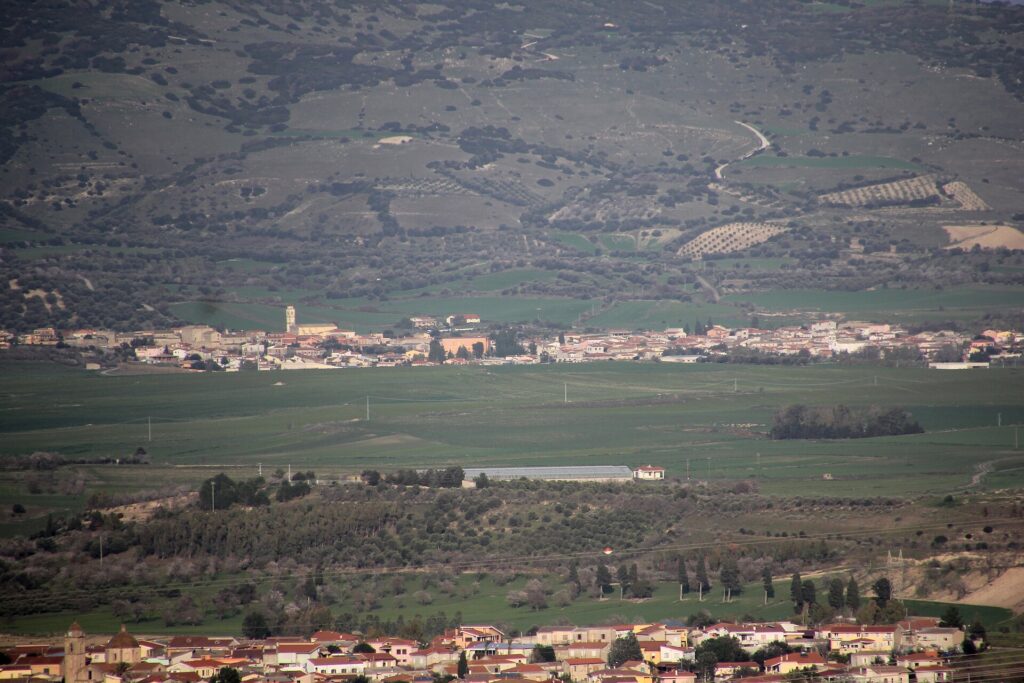
Turri has around 370 inhabitants, making it one of the smallest municipalities in southern Sardinia, but its history runs deep. People lived here in the Bronze Age, as the nuraghi (prehistoric stone towers) scattered across the fields show, and Phoenicians and Carthaginians probably passed through too. In the Middle Ages it belonged to the Giudicato of Arborea, one of Sardinia’s four medieval kingdoms; after 1420 it went to the Aragonese, in 1603 to the marquisate of Quirra, and in 1839, when feudalism was abolished, it bought its freedom and became a self-governing town.
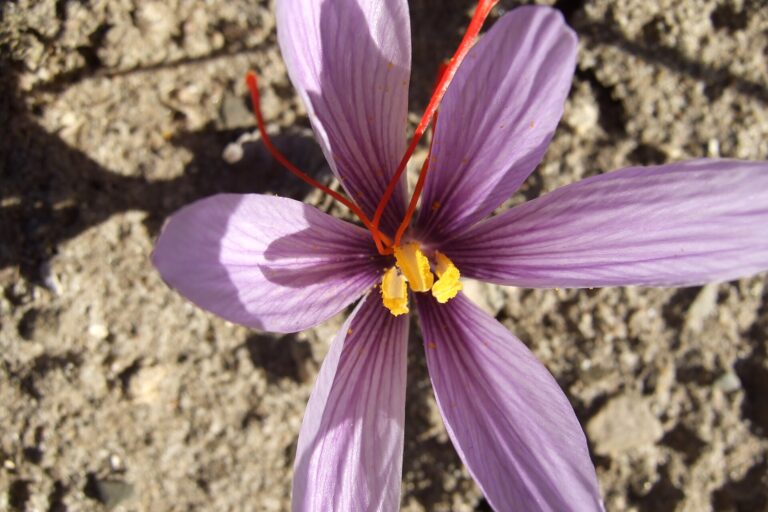
Saffron is part of the village’s very identity: Turri’s coat of arms, granted in 2004, shows four saffron flowers. It’s one of the three municipalities, with San Gavino Monreale and Villanovafranca, where Zafferano di Sardegna DOP (EU Protected Designation of Origin) is grown. Farming here still means cereals, pulses, vegetables, vines, olives and cheese, with saffron as the most precious crop: each flower is picked early in the morning and processed by hand at home.
Turri’s saffron sagra has been held every autumn for many years and is now part of the Saffron Roads festival created by the three villages. In 2026 it’s the grand finale.
What to see at the Turri saffron festival
Turri’s great asset is its old centre. The village keeps its traditional layout of courtyard houses: homes behind high walls, with a large yard in front, a vegetable garden at the back and wooden gateways, mostly 20th-century, some from the 1800s. During the sagra many courtyards open to visitors and host stalls, workshops and tastings.
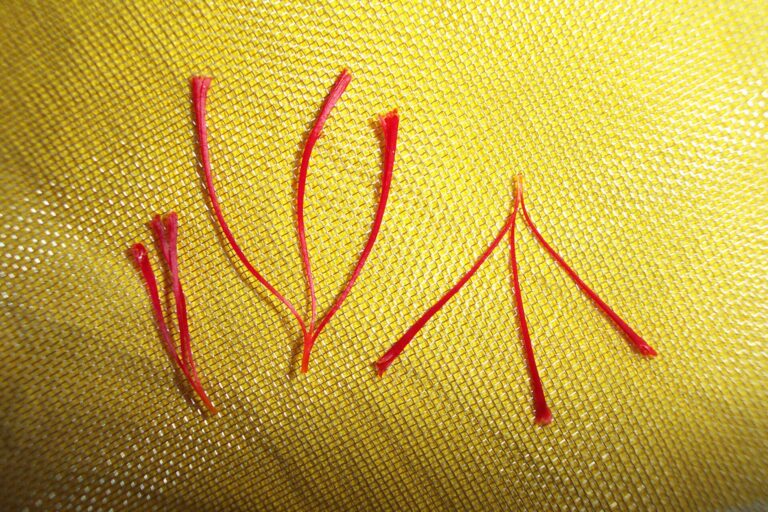
Recent editions have featured growers’ stalls, visits to the village’s centuries-old olive trees, music in the square, workshops for adults and children, demonstrations of old crafts and cooking contests. Saffron is always at the heart of it: you can walk to the fields to see the purple flowers and, if you like, try picking them and separating the stigmas alongside the growers.
The programme changes every year, so check timings and activities for 2026 with the Comune (town hall) of Turri and the official Saffron Roads channels.
What to eat and what to take home
In Turri you eat Marmilla farmhouse cooking: pulse soups, semolina-based first courses, local meats and cheeses, with saffron adding colour and aroma. For dessert you’ll find it in pardulas, small pastries filled with fresh cheese or ricotta, typical of southern Sardinia. A glass of local wine completes the picture.
Besides saffron threads bought from the grower, take home extra virgin olive oil from the village’s old olive groves and cheese from nearby farms. Store PDO saffron in the dark, in an airtight container, away from heat and humidity.
Things to see in Turri and nearby
The parish church of San Sebastiano, built in the 17th century in late Gothic style with Aragonese influences, has a single nave, four side chapels and a marble high altar. Opposite stands a 19th-century building with Palladian window decorations, used for about a century as the town hall and before that as the Monte Granatico, the “grain bank” that lent seed to farmers. Don’t miss the Casa Museo dell’Arte Contadina, a museum of rural life, and the Parco degli Ulivi at Molinu, with ancient olive trees and visitor trails.
If you come back in spring, Turri is also known for the tulip blooms that colour its countryside.
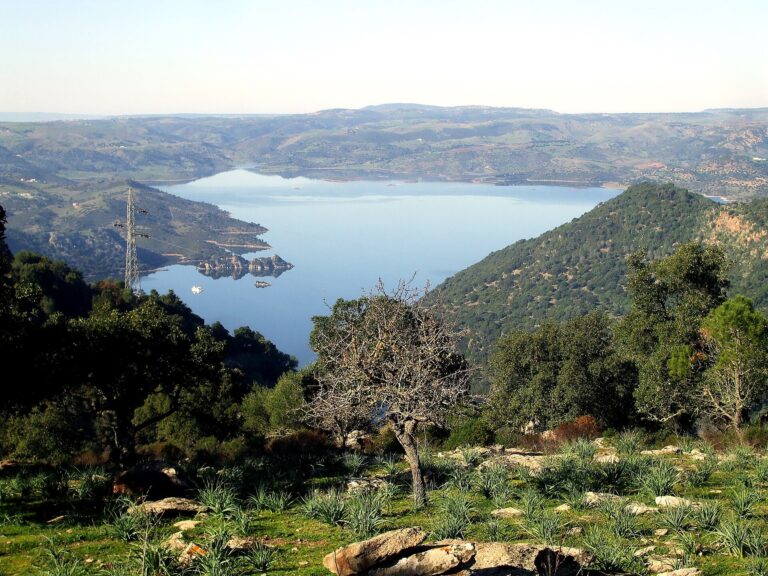
The surrounding Marmilla holds some of inland Sardinia’s finest sights. Turri lies between the Giara di Gesturi, the basalt plateau home to small wild horses, and the Giara di Siddi. Its territory includes complex nuraghi such as Su Senzu and Cabonu. A short drive away are Su Nuraxi in Barumini, a UNESCO World Heritage Site, the Sardegna in Miniatura park in Tuili and the Castle of Marmilla at Las Plassas.
Getting to Turri and practical tips
You’ll need a car. From Cagliari-Elmas airport it’s about an hour’s drive, along the SS131 highway to Sanluri and then into the Marmilla; Cagliari port is a similar distance. From Oristano allow about 50 minutes. If you land at Alghero or Olbia, count on well over two and a half hours.
- When to arrive: in the morning, to see the flower harvest and explore the courtyards at your own pace.
- What to wear: late November in the Marmilla can be cool and rainy: a waterproof jacket and shoes that don’t mind mud.
- Cash: handy for stalls and courtyard sellers.
- Getting around: the centre is small and best explored on foot; follow local signs for parking.
- Where to stay: options in the village are limited; stay in nearby Marmilla villages, in Sanluri or in Cagliari.
FAQ: Turri saffron festival 2026
When is the Turri saffron festival in 2026?
Sunday 22 November 2026. It’s the last stop of the Strade dello Zafferano di Sardegna DOP, after Villanovafranca (8 November) and San Gavino Monreale (15 November).
Can I take part in the saffron harvest?
During the festival growers open their fields to visitors, and you can often try picking flowers and separating the stigmas. Details depend on each year’s programme.
What is there to see in Turri?
The old centre with its courtyard houses and wooden gateways, San Sebastiano church, the former Monte Granatico, the Casa Museo dell’Arte Contadina and the Parco degli Ulivi.
What’s near Turri?
The Giara di Gesturi and its wild horses, Su Nuraxi in Barumini, Sardegna in Miniatura in Tuili and Las Plassas castle, all a short drive away.
Source: www.paradisola.it