Autunno in Barbagia in Seulo 2026: Cortes Apertas
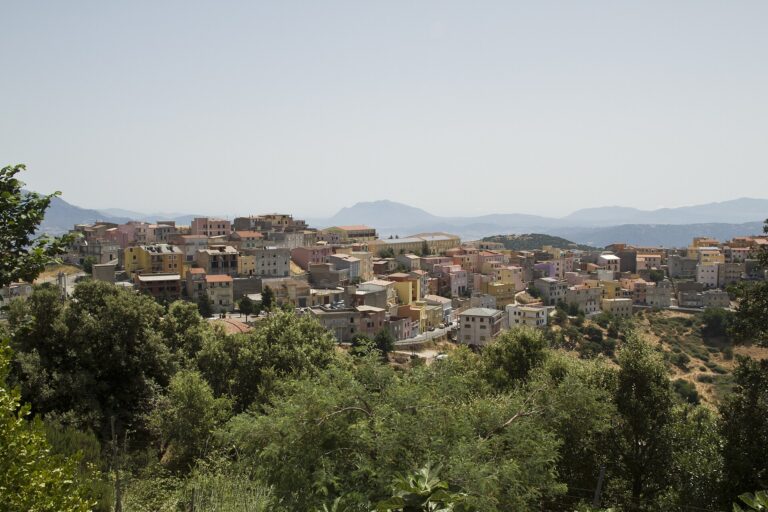
On 12 and 13 December 2026 the mountain village of Seulo opens its doors for Cortes Apertas, one of the last stops of Autunno in Barbagia (Autumn in Barbagia) before the winter break. Seulo is famous as a village of centenarians, tucked between the gorges of the Flumendosa river and the woods of Mount Perdedu – a perfect place to see the slow, rooted side of Sardinia.
What is Cortes Apertas? History and meaning
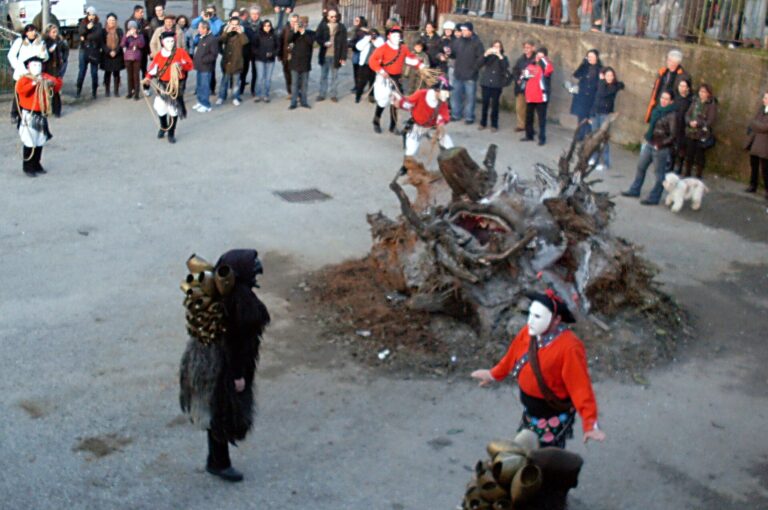
Autunno in Barbagia is a festival circuit that runs every weekend from September to December, each time in a different village of inland Sardinia. Its core idea is the cortes apertas, “open courtyards”: local families and associations open their courtyards and historic houses, where they cook, work and show how life used to be. It isn’t a trade fair built for tourists – it’s an invitation into the daily life of a village.
In Seulo that invitation has a special meaning. The village, home to around 800 people, is the main centre of the Barbagia di Seulo and part of Sardinia’s Blue Zone, the area of the island studied by researchers for its unusually high number of long-lived people. Between 1996 and 2016 Seulo counted about twenty centenarians – remarkable for such a small community. There’s no single explanation: researchers point to simple, local food, outdoor physical work, strong family ties and close community life. Cortes Apertas is your chance to see that way of life up close.
What to see in Seulo during Cortes Apertas
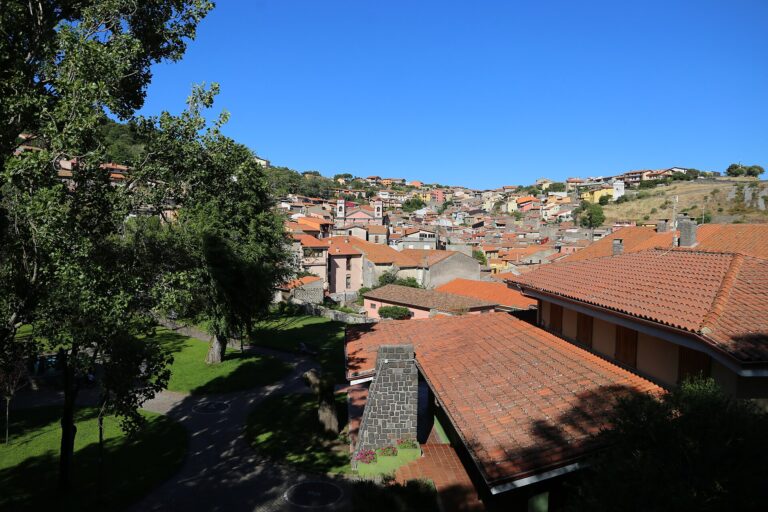
Over the weekend the old streets fill with open courtyards, small producers, craftspeople and traditional groups. You wander on foot between stone houses, taste as you go and chat with people showing their craft. Highlights include:
- Historic houses and courtyards, where bread and sweets are often made in front of visitors.
- Local crafts: Seulo has a tradition of hand-woven rugs and knife-making.
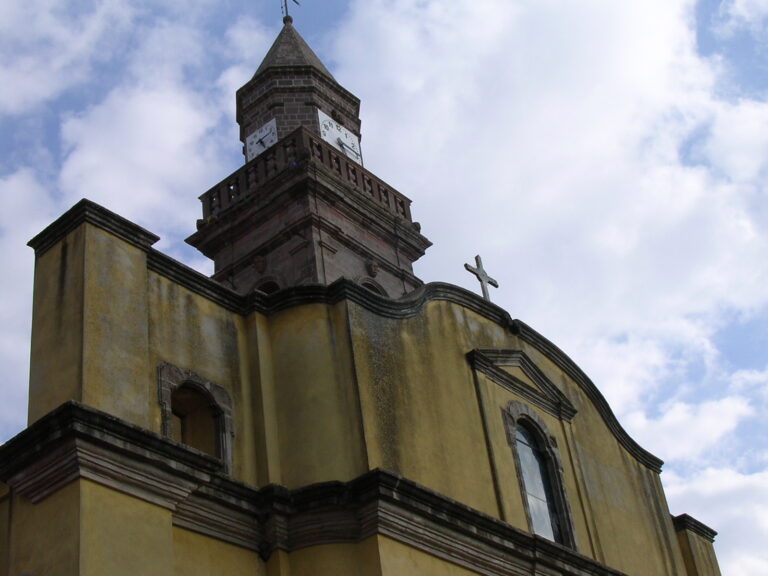
- The parish church of the Beata Vergine, from the 16th century, at the heart of the village.
- The church of Saints Peter and Paul, the oldest in Seulo, in the upper part of town.
The detailed programme (openings, workshops, music, any guided visits) is published by the Comune di Seulo and the Autunno in Barbagia organisers in the days before the event – check it before you go.
What to eat and what to take home
Seulo’s cooking is mountain shepherds’ food, often mentioned as one reason for the locals’ long lives. Look out for:
- Su casu in filixi: the village’s signature cheese, whose name refers to ferns (filixi in Sardinian); it even has its own sagra – a village food festival – in July.
- Traditional breads and sweets, well known throughout the area.
- Cured meats, sheep and goat cheeses and honey, made in small quantities by local families.
- Red wine from nearby villages, a natural match for roasted meat.
To take home: a piece of cheese, a jar of honey, dry sweets that travel well and, if you love crafts, a hand-woven rug or a locally made knife (pack it in your checked luggage).
Seulo and around: waterfalls, caves and nuraghi
Seulo sits at the foot of Mount Perdedu, separated from the Gennargentu massif by the Flumendosa river, which has carved deep gorges among holm oaks, limestone cliffs, springs and pools. It’s walking country:
- Su Stampu ‘e su Turrunu, on the border with Sadali in the Addolì forest: a natural monument where a stream vanishes into a sinkhole and reappears as a waterfall and pool.
- Sa Stiddiosa, on the border with Gadoni: a rock wall that “weeps” water like fine rain into an emerald pool. You reach it via a dirt road and a downhill walk.
- Karst caves in the Addolì forest, such as sa Omu ‘e Janas, with stalactites and stalagmites.
- S’Arcu ‘e su cuaddu, a natural rock arch with a domus de janas – a prehistoric rock-cut tomb – carved beneath it.
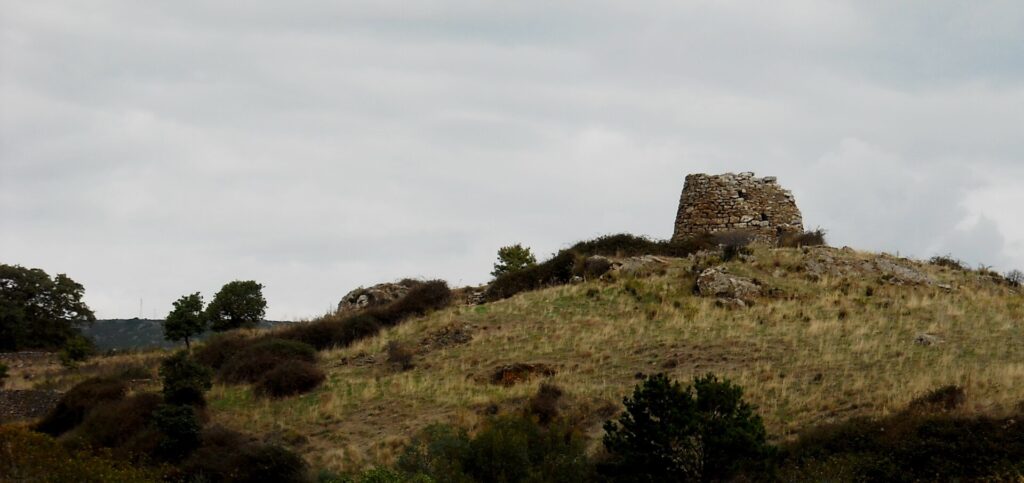
- Nuraghi, the Bronze Age stone towers typical of Sardinia: Su Nuraxeddu, Su Nuraxi ‘e Pauli and the Nuragic village of Ticci.
In December trails can be muddy and days are short, so hire a local guide for longer hikes. Nearby, Sadali has a waterfall right in the village, and Seui has a lovely old centre with small museums.
How to get to Seulo and practical tips
Seulo is in the very centre of the island and the easiest way to reach it is by car (regional buses exist but run infrequently). From Cagliari airport it’s about 2 hours’ drive. From Olbia or Alghero airports, allow around 3 hours. Mountain roads are winding, so take your time, especially after dark.
- When to arrive: in the morning, to park easily and explore before the crowds.
- What to wear: December in the mountains is cold and can be wet – bring warm layers, a waterproof jacket and comfortable shoes for stone streets.
- Cash: many small producers don’t take cards.
- Where to stay: beds in and around Seulo are few and go fast – book early or look at neighbouring villages.
Cortes Apertas Seulo 2026: FAQ
When is Cortes Apertas in Seulo in 2026?
Saturday 12 and Sunday 13 December 2026, as part of Autunno in Barbagia. It’s one of the final stops of the season.
Why is Seulo called the village of centenarians?
It belongs to Sardinia’s Blue Zone and in recent decades has recorded a very high number of people over 100 for its size. Traditional diet and an active pastoral lifestyle are the most often cited reasons.
What is there to see near Seulo?
Su Stampu ‘e su Turrunu, the dripping wall of Sa Stiddiosa, the Flumendosa gorges, local nuraghi and the nearby villages of Sadali and Seui.
Where can I find the official programme?
On the channels of the Comune di Seulo and of Autunno in Barbagia, which publish the full schedule shortly before the event.
Source: www.portalesardegna.com