Artes e Sabores in Santu Lussurgiu 2026
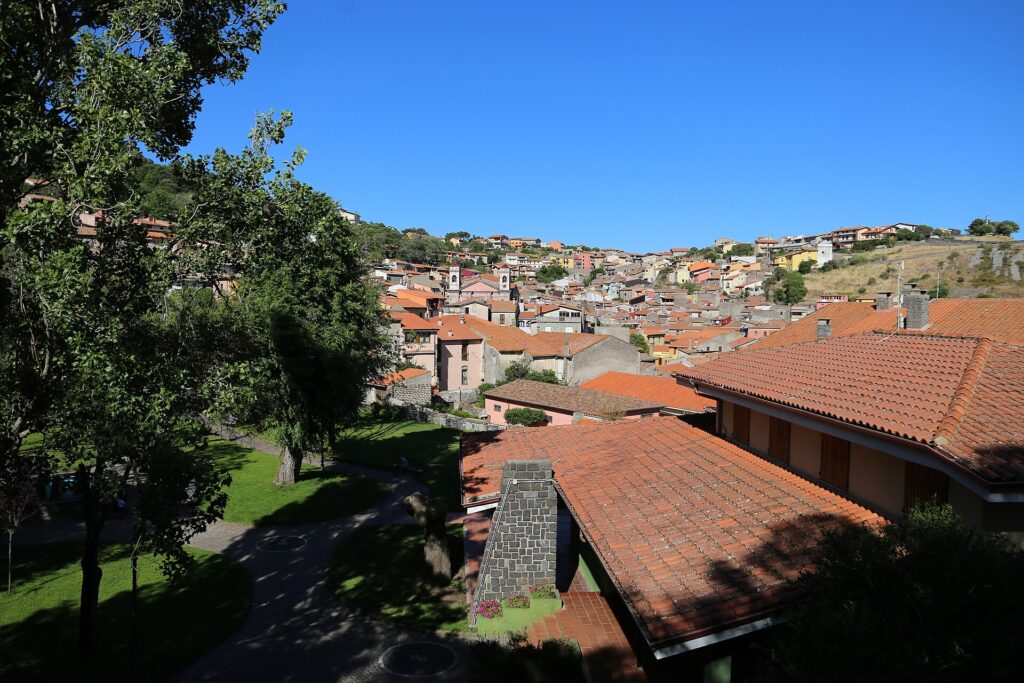
On Saturday 12 and Sunday 13 December 2026 Santu Lussurgiu, in the heart of the Montiferru mountains in the province of Oristano, opens up its old town for Artes e Sabores, a festival of craftsmanship, art, culture, food and local traditions. Among stone houses and steep lanes you’ll find open workshops, producers, tasting points and music.
The name is Sardinian for “arts and flavours” – two things this village is rightly proud of, and with the pre-Christmas mood in the air, a great excuse for a trip into Sardinia’s quiet interior.
Santu Lussurgiu: a village of craftspeople
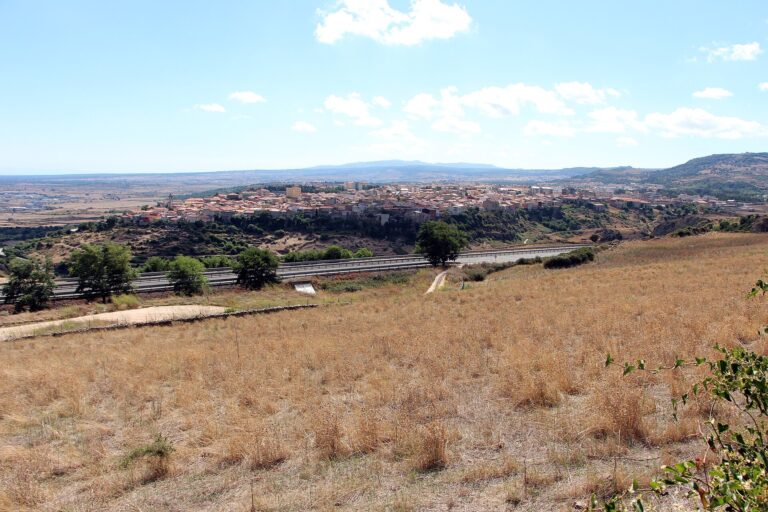
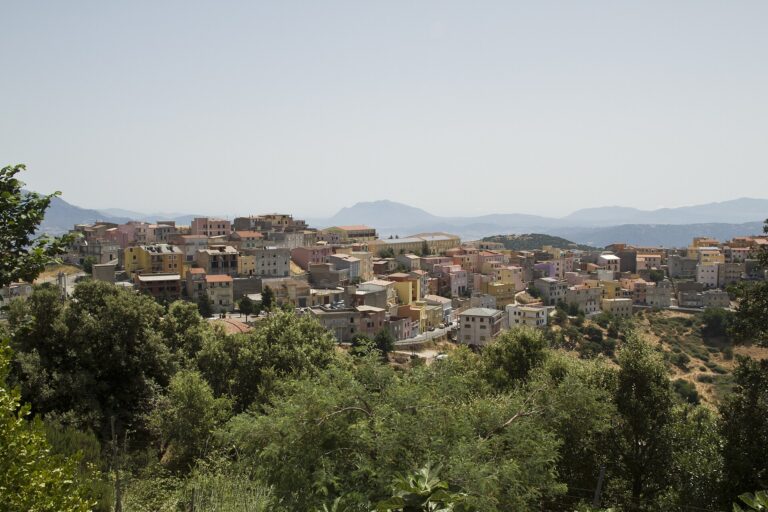
Santu Lussurgiu, home to just over two thousand people at around 500 metres above sea level, lies on the eastern slope of the Montiferru, an ancient volcanic massif. The village is tucked into a natural bowl, traditionally described as an old crater, with its houses rising like an amphitheatre. Its name comes from San Lussorio, a Sardinian martyr: the village grew up in the Middle Ages around his sanctuary, today’s church of Santa Croce.
For centuries this has been a village of artisans: knife makers, saddlers, blacksmiths and wrought-iron workers, carpenters, shoemakers and weavers. The bond with horses runs deep here, which explains the tradition of leather saddles and harnesses. Artes e Sabores, organised by the village’s shopkeepers’ association with the Comune, exhibitors and local groups, was created to show off this heritage of trades and produce, bringing it into the streets and houses of the old town.
What to see at Artes e Sabores
The festival takes the form of a trail through the old town, with exhibition points, workshops open to visitors and food stops. Recent editions have also included:
- artisans at work and displays of knives, saddles and leather goods, hand-loomed textiles, ceramics and carved wooden chests;
- guided tours of the village’s churches and museums;
- concerts and traditional singing, street entertainment and children’s activities.
Don’t miss the Museum of Rural Technology at the UNLA folk culture centre, whose rooms are packed with tools and machines from the farming and craft life of the past. Santu Lussurgiu is also one of the homes of canto a cuncordu, a four-part male polyphonic singing style tied especially to Holy Week – if you get the chance to hear it, take it.
Each year’s detailed programme is published by the organisers and the Comune shortly before the event.
What to eat and what to take home
The Montiferru is a land of pastures and woods, and its food has real character:
- Casizolu: a stretched-curd cheese made from the milk of Sardo-Modicana cows, protected as a Slow Food Presidium, with its typical pear shape.
- Sardo-Modicana beef, from the same hardy red cattle, also a Slow Food Presidium.
- Abbardente: Santu Lussurgiu’s traditional spirit, distilled from wine – Sardinia’s answer to grappa.
- Cured meats, traditional bread and homemade sweets.
For a souvenir that lasts a lifetime, pick a hand-forged knife from a local master, a leather piece or a hand-woven textile. The village is also known for rugs made with the a pibiones technique, a raised, knotted weave.
Things to do in Santu Lussurgiu and the Montiferru
The old town, with its dark stone houses, stairways and alleys, is worth the trip in itself. Highlights:
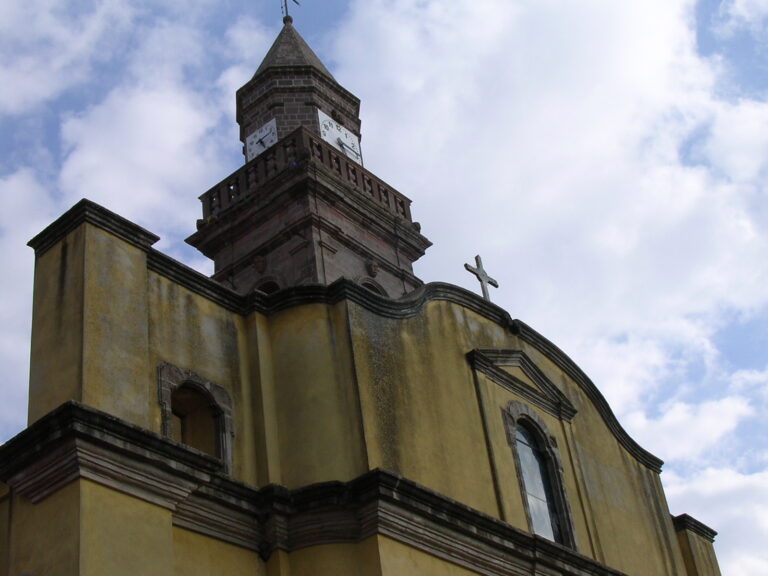
- the church of Santa Croce, San Lussorio’s old sanctuary, and the parish church of San Pietro Apostolo;
- the Sa Rocca viewpoint above the village;
- the Sos Molinos waterfalls, with the ruins of old mills;
- San Leonardo de Siete Fuentes, a tiny hamlet in a forest of holm and cork oaks, with a 12th-century Romanesque church and the “seven springs” it’s named after. It hosts a historic horse fair every year in late spring.
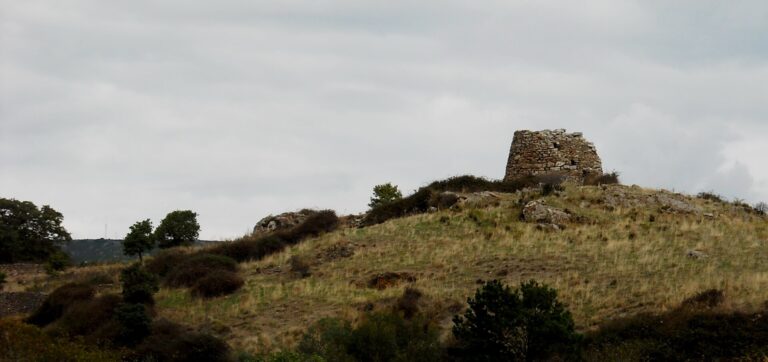
The area is also dotted with nuraghi (Sardinia’s Bronze Age stone towers), domus de janas rock-cut tombs and “giants’ tombs”. Nearby are the Romanesque basilica of Santa Maria di Bonarcado, the Nuraghe Losa at Abbasanta and the sacred well of Santa Cristina at Paulilatino; head west and you reach the Montiferru coast and, further south, the Sinis peninsula.
Getting there and practical tips
- By car: leave the SS131 highway around Abbasanta and climb into the Montiferru. Oristano is about 40 minutes away. You’ll need a car.
- From the airports: about 1 and a half hours from Cagliari, about 1 and a half hours from Alghero, about 2 hours from Olbia.
- From the ports: about 1 and a half hours from Cagliari or Porto Torres, about 2 hours from Olbia.
- When to arrive: it’s a weekend event – arrive late morning to see the workshops in daylight and stay for lunch.
- What to wear: December in the mountains is cold and can be wet; the lanes are steep and stone-paved, so wear comfortable, non-slip shoes.
- Cash: handy for small purchases and tastings.
- Where to stay: B&Bs, agriturismi (farm stays) and hotels in and around the village; Oristano is also a good base.
FAQ: Artes e Sabores in Santu Lussurgiu
When is Artes e Sabores 2026?
On Saturday 12 and Sunday 13 December 2026, in Santu Lussurgiu’s old town.
What does “Artes e Sabores” mean?
It’s Sardinian for “arts and flavours”: the festival combines crafts, art and local food.
What can I buy in Santu Lussurgiu?
Handmade knives, saddles and leather goods, textiles, casizolu cheese and abbardente spirit.
What is there to see near Santu Lussurgiu?
San Leonardo de Siete Fuentes, the Sos Molinos waterfalls, Bonarcado basilica, Nuraghe Losa and the sacred well of Santa Cristina.
Source: sagreautentiche.it