Agnello di Sardegna PGI, Sardinian lamb
Price on request Discover
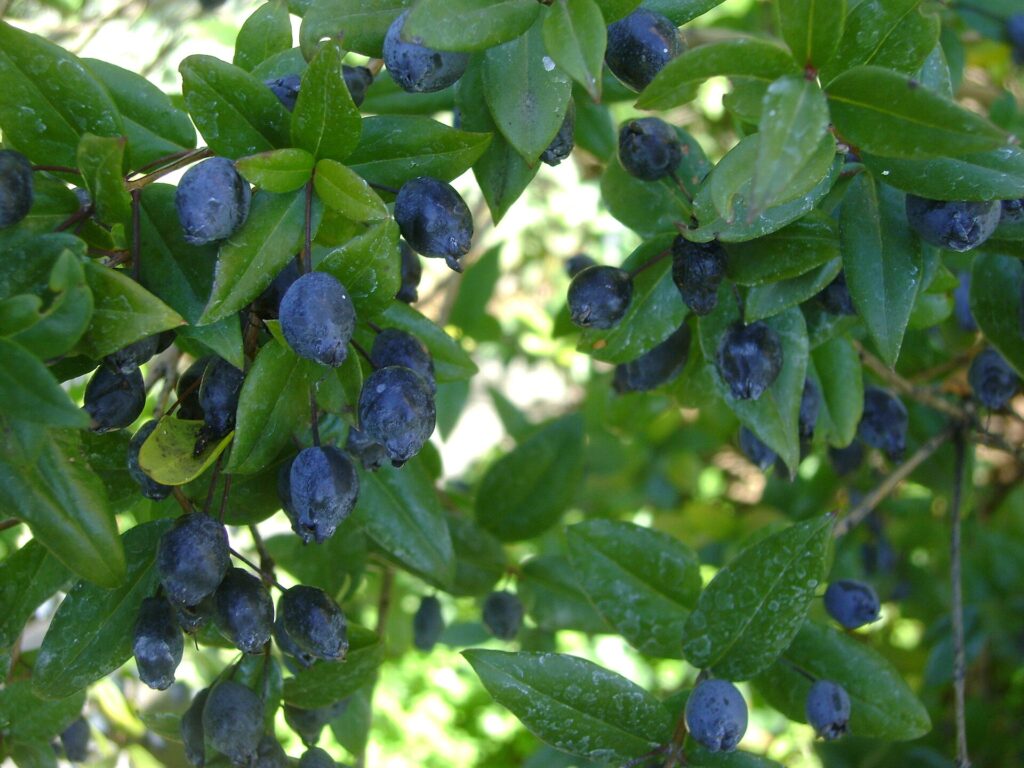
Sunday lunch is over, the plates are cleared, the sweets arrive, and someone reaches into the freezer for a bottle: mirto. In Sardinia, pouring a small glass of this ruby-red myrtle liqueur is a way of saying “stay a little longer”. It smells of the Mediterranean scrub, tastes sweet with a gently bitter finish, and it is the flavour most Sardinians link with hospitality. It is also the souvenir most visitors pack in their suitcase.
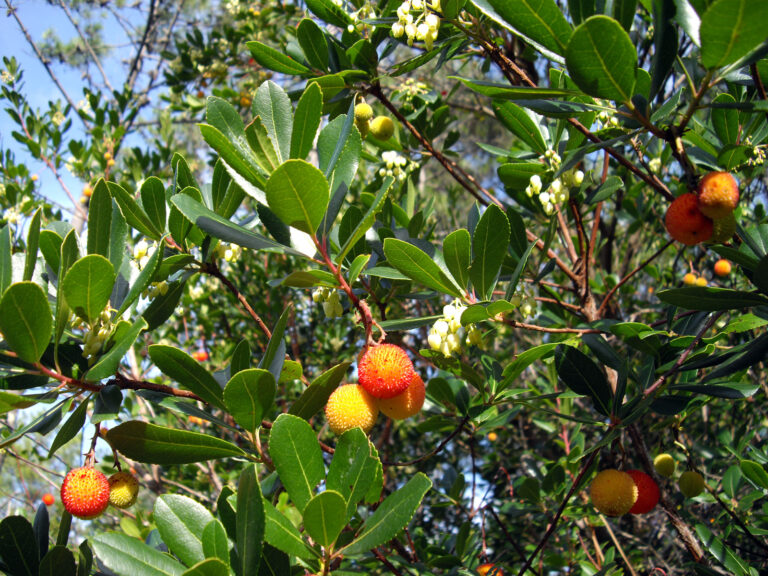
Myrtle (Myrtus communis, murta in Sardinian) is an evergreen shrub that grows wild all over the island, from the coast to the inland hills. In antiquity it was sacred to Venus, and it has long been valued for its digestive and balsamic qualities. The liqueur began as a home-made drink: every family had its own recipe, made for the household or as a gift, while sales were rare because of strict rules and heavy taxes. Documented commercial production only began in the mid-1970s, when mirto started to appear at regional fairs.
Ripe, dark blue-purple berries are picked by hand, usually between late autumn and winter. They are infused in alcohol for weeks or months, and the infusion is then blended with a syrup of water and sugar, sometimes with a little honey. Classic red mirto comes from the dark berries. White mirto is made from pale berries or, more often, from young leaves and shoots. It ranges from straw to amber in colour, is less sweet and more herbal. Every village and family defends its own version.
“Mirto di Sardegna” is a Geographical Indication (GI) for spirit drinks, in the liqueur category. Its technical file was approved by the Italian Ministry of Agriculture by decree on 2 July 2013 and updated on 8 June 2016. The rules:
The GI covers the red, berry-based liqueur. Look for the name “Mirto di Sardegna” and the GI reference on the label, because not every myrtle liqueur on sale carries it.
Mirto is Sardinia’s classic digestif. It is served at the end of a meal, usually well chilled, in small glasses. It pairs beautifully with seadas drizzled with honey, with almond pastries, and as the finale to a meal of porceddu or other roasts. Myrtle leaves and twigs scent roast meats too, and crushed berries go into marinades.
Mirto is made all over Sardinia, by small artisan workshops and long-established distilleries. You will find it in almost every restaurant and agriturismo, often offered on the house after dinner, and in local food shops. Some producers and farms open their doors by appointment for visits and tastings. Winter is the most evocative season, when families go out to pick murta and make their liqueur for the holidays.
Red mirto is made from dark ripe berries and is sweet with a slightly bitter finish. White mirto is made from pale berries or young leaves and shoots, and is lighter, less sweet and more herbal.
Yes. It is a Geographical Indication for spirit drinks. The berries must be picked and processed in Sardinia, and the liqueur must be 28–36% vol with no added flavourings or colourings.
Do you run activities in Sardinia?
Get your own page on Ajò Sardegna: free until 31 May 2027, no commissions, with customer requests coming straight to you. If you like, we prepare the page for you.
Hi!
Can I help you?
Lia is an AI-based virtual assistant and can make mistakes: always check with the operator. Please don't share personal data. Privacy