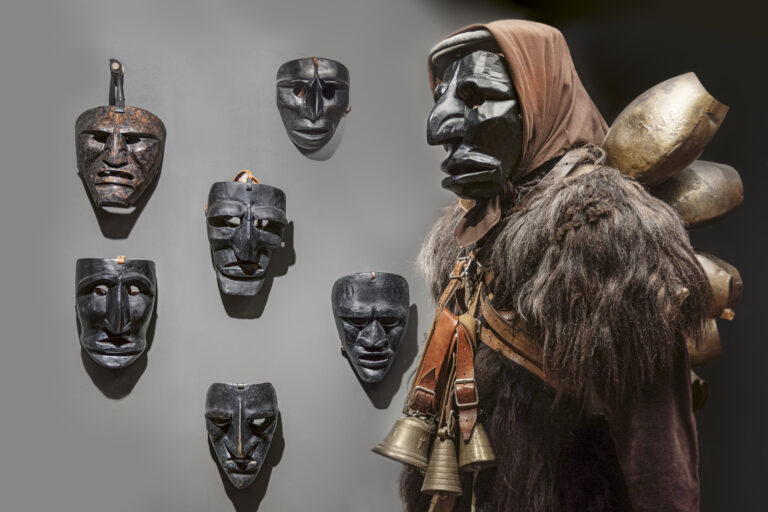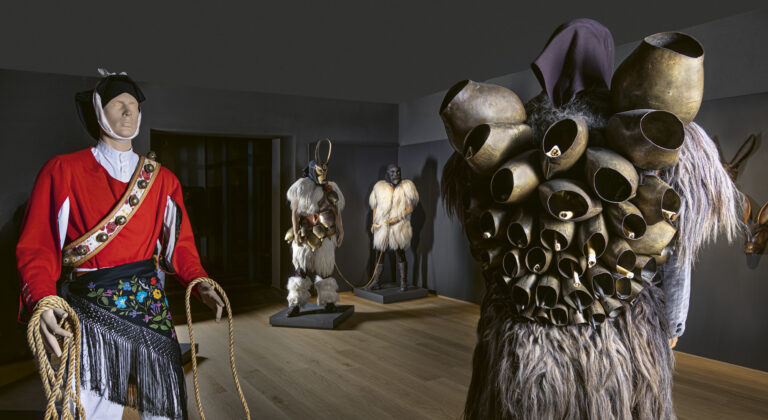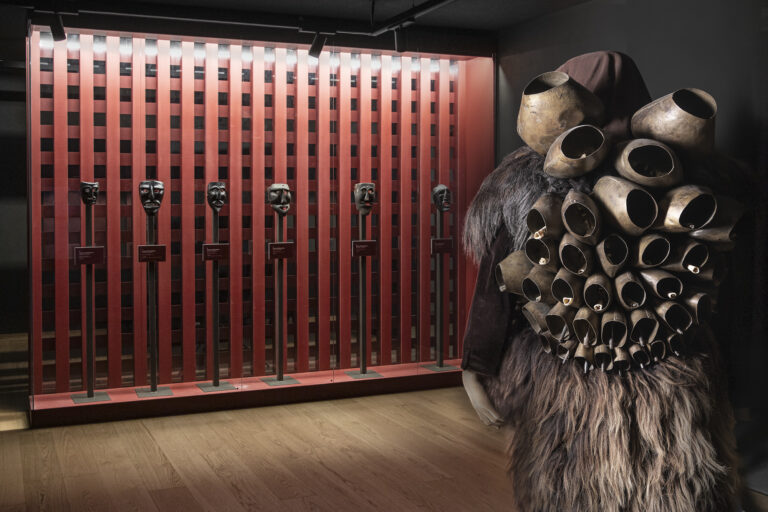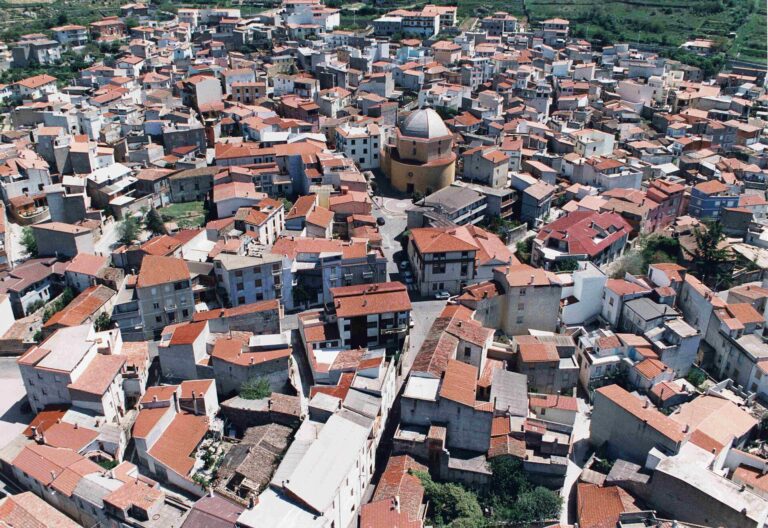
Autunno in Barbagia in Mamoiada 2026: Cortes Apertas
Price on request Discover
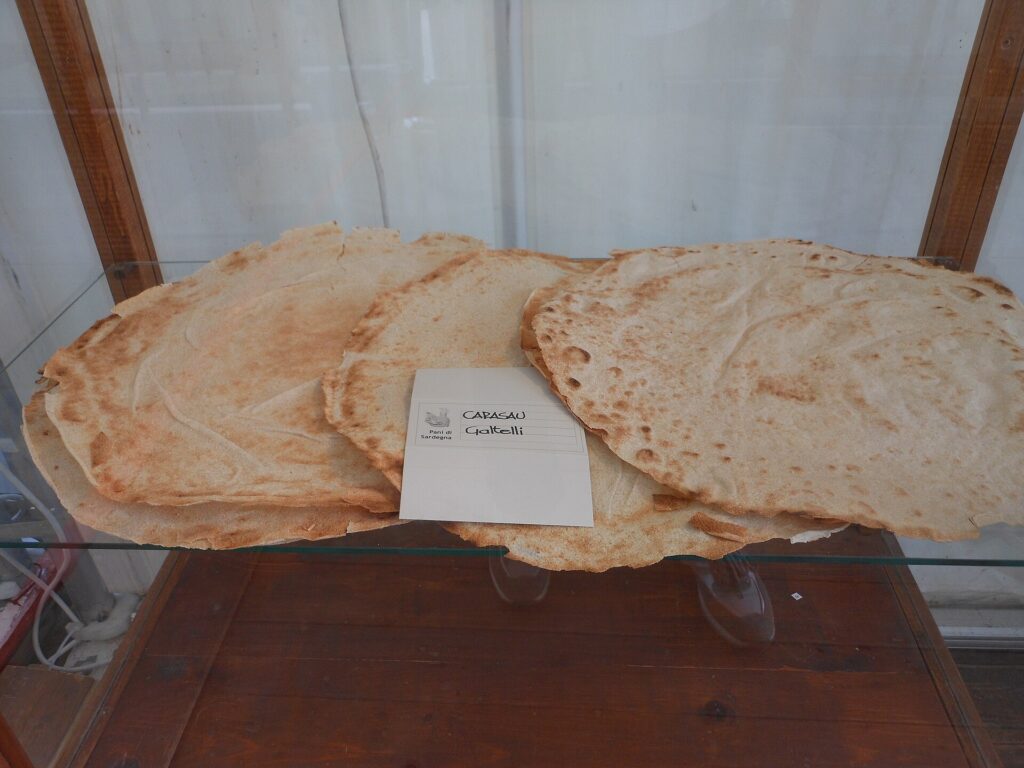
You’ll find it in every Sardinian home, on everyday tables and festive ones alike: pane carasau is a paper-thin, crisp sheet of durum-wheat bread that snaps with a dry crackle. That sound is why mainland Italians call it carta da musica – “music paper”. To Sardinians it is simply su carasau, a bread that speaks of shepherds, wood-fired ovens and women working side by side from dawn to dusk.
Carasau was born in Barbagia, the mountainous heart of the island. It was the bread of shepherds on transhumance, away from home for weeks or months: baked twice and almost moisture-free, it kept for a long time. Families baked it in large batches and stacked it in asphodel baskets – in Gavoi a single baking would last a month or more.
Its origins are ancient and partly legendary; some sources mention traces of bread at Nuragic sites, but there is no firm date. The name is certain: it comes from the Sardinian carasare, “to toast”, and the second baking is called sa carasadura. Baking day, sa cotta, was a shared ritual: until a few decades ago at least three women – relatives or neighbours – gathered before dawn and then returned the favour.
The ingredients are few: durum-wheat semolina, water, salt and yeast (poorer families once used barley or bran). The skill lies in the method: thin discs are rolled out and slid into a blazing wood oven, where they puff up like balloons in seconds. While still hot, each disc is cut around the edge and split into two sheets, which go back into the oven to become golden and crisp. Before that second bake the bread is soft and pliable – pane lentu.
In Orgosolo, Ovodda, Tiana and Gavoi a smaller version, round or rectangular, is called pane ‘e fresa. In Ogliastra its close cousin is pistoccu. Then there’s pane guttiau – “dripped” bread: carasau drizzled with extra-virgin olive oil and a pinch of salt and warmed in the oven. In Oliena it is baked in wood-fired ovens and makes a perfect aperitivo.
Both pane carasau and pane guttiau are listed among Sardinia’s Traditional Agri-Food Products (PAT). They carry no DOP or IGP label, so look for carasau made with durum wheat and baked in a wood oven.
In Oliena it is paired with Nepente, the local Cannonau praised by D’Annunzio.
Head up to Barbagia: in Fonni, Sardinia’s highest village, and in Gavoi, Orgosolo, Ovodda, Oliena and around Nuoro, bakeries still use wood-fired ovens; Dorgali and Galtellì keep the tradition too. In Gavoi, look out for the Isola delle Storie literary festival in early July and the Autunno in Barbagia stop in mid-October. Some bakeries and farms around Nuoro offer demonstrations or workshops – ask locally.
Because of the crisp sound it makes when you break and bite it, and its paper-thin sheets.
Guttiau is carasau seasoned with olive oil and salt and briefly re-baked – tastier and ideal as a snack.
Do you run activities in Sardinia?
Get your own page on Ajò Sardegna: free until 31 May 2027, no commissions, with customer requests coming straight to you. If you like, we prepare the page for you.
Hi!
Can I help you?
Lia is an AI-based virtual assistant and can make mistakes: always check with the operator. Please don't share personal data. Privacy