Autunno in Barbagia in Oniferi 2026: Cortes Apertas
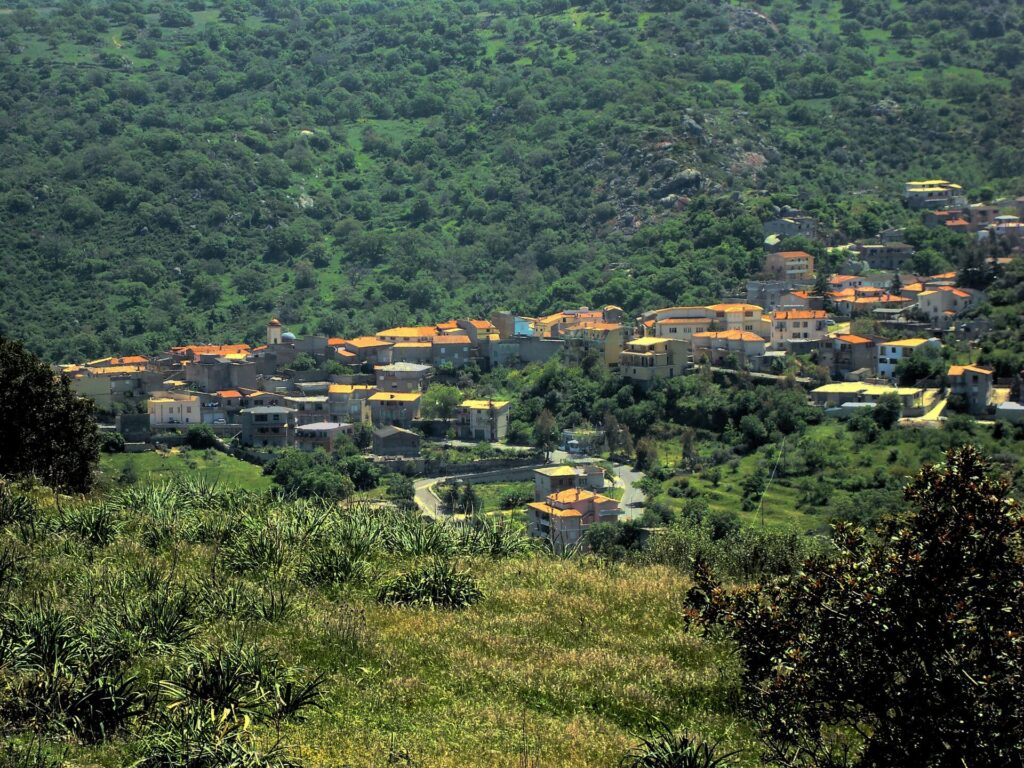
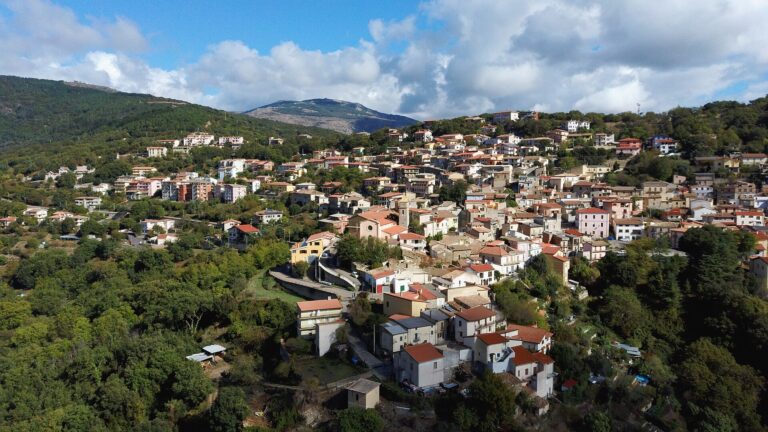
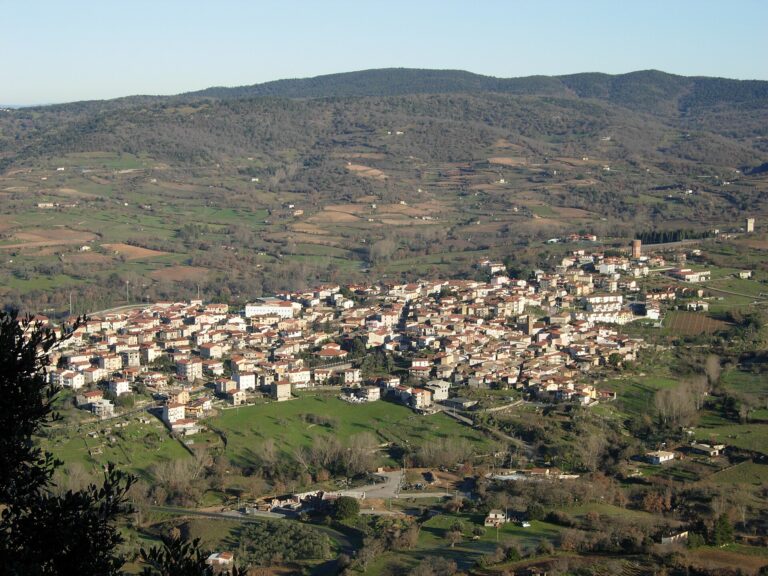
On 28 and 29 November 2026 Oniferi, a small village in the Barbagia di Ollolai about 20 km from Nuoro, opens its cortes for Autunno in Barbagia – Cortes Apertas. For one weekend, courtyards, cellars and family homes welcome visitors with local food, crafts, singing and music. It is also a great excuse to discover a shepherding village that guards one of the most important prehistoric cemeteries in inland Sardinia: the rock-cut tombs of Sas Concas.
What is Cortes Apertas? The story behind the festival
Cortes apertas is Sardinian for “open courtyards”. In the villages of the Barbagia – the mountainous heart of Sardinia around Nuoro – the corte was the centre of family life: the inner yard where bread was baked, wine and cheese were stored, wool was worked and neighbours gathered. Opening these spaces to outsiders means showing the real, everyday life of a village.
From this idea grew Autunno in Barbagia (“Autumn in Barbagia”), a circuit promoted by the Nuoro Chamber of Commerce. Every weekend from September to December a different village takes its turn as host, each telling its own story through recipes, trades and traditions.
Oniferi has about 900 inhabitants, spread over six historic quarters, and dates back to the Middle Ages, although people have lived here since the Neolithic. It is also a home of canto a tenore, the four-part male polyphonic singing that UNESCO lists as Intangible Cultural Heritage of Humanity; singers from Oniferi have performed it abroad.
What to see and do during the weekend
During Cortes Apertas the old centre becomes a walking route through courtyards and private houses. Typically you will find:
- tastings of bread, cheese, cured meats, sweets and wine made by families, associations and small producers;
- craftspeople at work and displays of farming and shepherding tools;
- canto a tenore and traditional music, which carry special weight here;
- visits to the village churches and, when organised, to nearby archaeological sites.
The exact programme (times, open courtyards, guided tours, performances) is published by the municipality and the organisers in the days before the event, so check it before you set off.
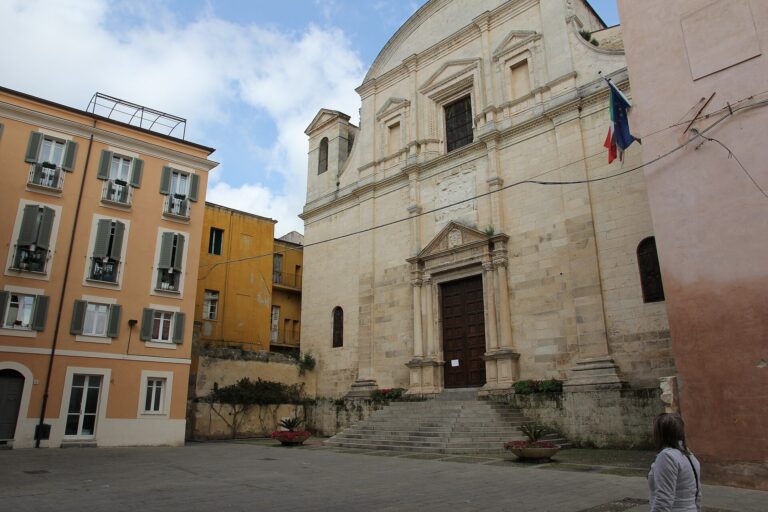
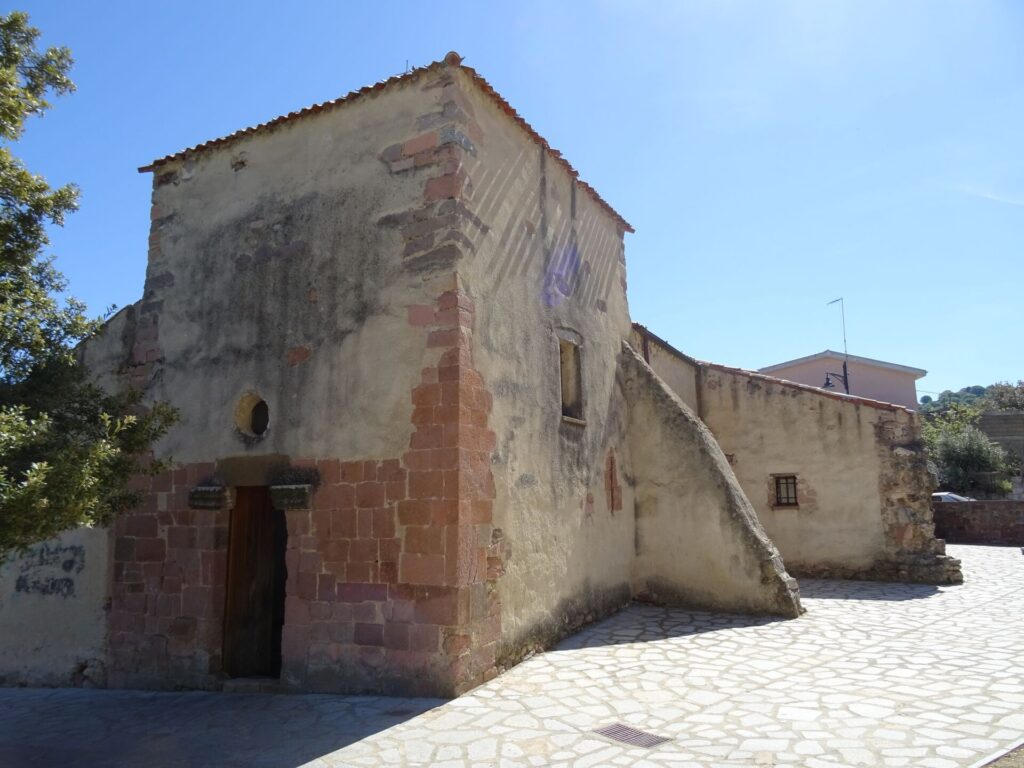
In the village, look for the parish church of Sant’Anna, first built in the 15th century and rebuilt with three naves in the 20th, and the older church of San Gavino, also 15th century, standing alone in a meadow.
What to eat and what to take home
Food in Oniferi is the cooking of shepherds: simple, seasonal and tied to the flocks grazing around the village. In the courtyards look out for:
- pane carasau, the paper-thin, crisp flatbread of the Sardinian shepherds;
- sheep’s cheese and fresh ricotta;
- sausage and other cured meats;
- traditional sweets made with almonds, honey and sapa (cooked grape must);
- local red wine, often poured by the families themselves.
Good souvenirs: an aged pecorino, a pack of carasau (it keeps for weeks and weighs almost nothing), honey, wine and a piece of local craft. Many stalls are run by small producers, so carry some cash.
Things to do in Oniferi: Sas Concas and the surroundings
The Sas Concas necropolis
The highlight is Sas Concas, a group of about twenty domus de janas – literally “fairy houses”, the Sardinian name for prehistoric tombs carved into rock. They are cut into a trachyte outcrop beside the road to Nuoro and date to the Copper Age, around the third millennium BC; it is considered the largest and oldest such cemetery in the Barbagia. Some walls bear engraved upside-down human figures, perhaps images of the dead, and the so-called Emiciclo tomb has an antechamber, a semicircular room with a sloping ceiling and five smaller cells. In 2025 UNESCO added a selection of Sardinia’s domus de janas to the World Heritage List, a sign of how special these sites are.
Nuraghi and landscape
The area has around forty nuraghi – the Bronze Age stone towers found only in Sardinia – including Ola, Murtas, Badu Pedrosu and Brodu, plus dolmens, standing stones and “giants’ tombs”. The village sits at nearly 500 m, facing the Gennargentu mountains and a valley of cork oaks, holm oaks and wild olives.
Nearby villages
Within a few minutes’ drive you reach Orani, home of the Nivola Museum dedicated to sculptor Costantino Nivola, and Sarule, below Monte Gonare and its hilltop sanctuary. Nuoro, with its museums and the birthplace of Nobel laureate Grazia Deledda, is about half an hour away.
How to get to Oniferi and practical tips
Oniferi lies right on the SS131 DCN expressway between Abbasanta, Nuoro and Olbia, which makes it one of the easiest stops to reach.
- From Olbia (airport and ferry port): about 1 hour 15 minutes by car.
- From Alghero airport: about 1 hour 30 minutes.
- From Cagliari (airport and port): about 2 hours.
A car is essential, as weekend public transport is very limited. Late November in the mountains is cold, especially after dark: pack a warm jacket, comfortable shoes for stone streets and an umbrella. Arrive late morning to enjoy the courtyards before the afternoon crowds. Beds in the village are few, so book early in Oniferi, nearby Orani or Nuoro.
FAQ: Cortes Apertas in Oniferi
When is Autunno in Barbagia in Oniferi in 2026?
Saturday 28 and Sunday 29 November 2026.
What are the domus de janas of Sas Concas?
About twenty Copper Age tombs carved into trachyte rock, some decorated with engraved upside-down human figures, located in Oniferi’s territory next to the road to Nuoro.
Do I need a ticket?
Walking around the village and visiting the open courtyards normally requires no ticket; you pay for tastings and products at each stall. Guided tours may have their own rules, so check the official programme.
Is it suitable for children?
Yes. The village is small and walkable, and crafts, music, animals and archaeology keep kids interested. Streets are steep and cobbled, so a baby carrier beats a light stroller.
Source: www.portalesardegna.com