Regional Saffron Show in San Gavino Monreale 2026
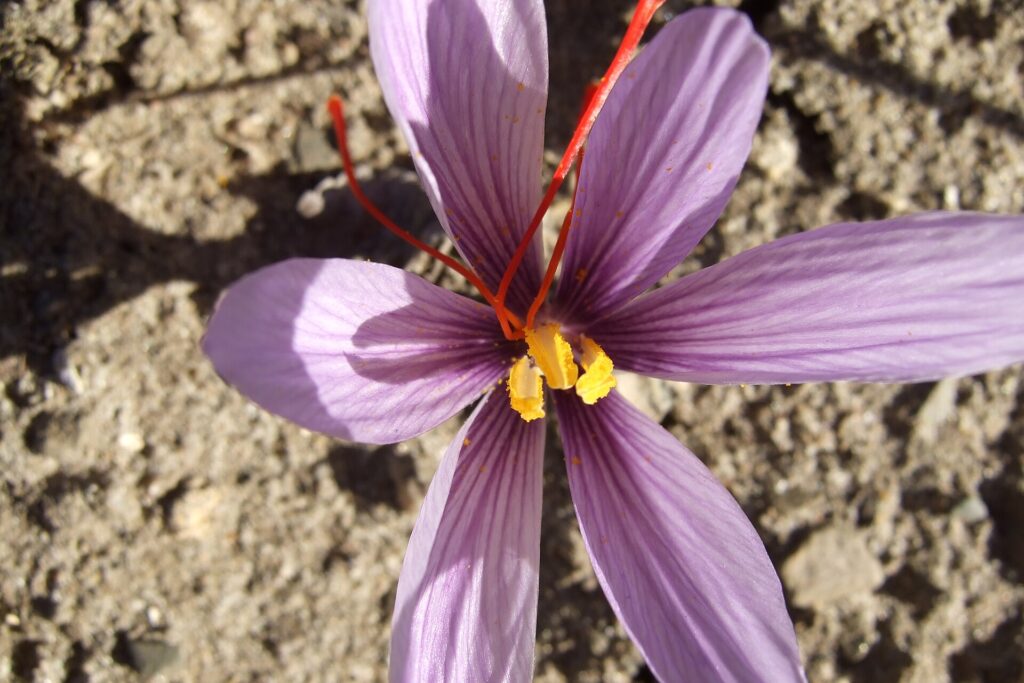
On Sunday 15 November 2026 the Strade dello Zafferano di Sardegna DOP (“Saffron Roads”) festival stops in San Gavino Monreale, in Sardinia’s Medio Campidano, the town that identifies with saffron more than any other on the island. For one day the centre becomes a regional showcase of “red gold”: growers, tastings, demonstrations of how the flowers are picked and cleaned, and the chance to buy saffron straight from the people who grow it.
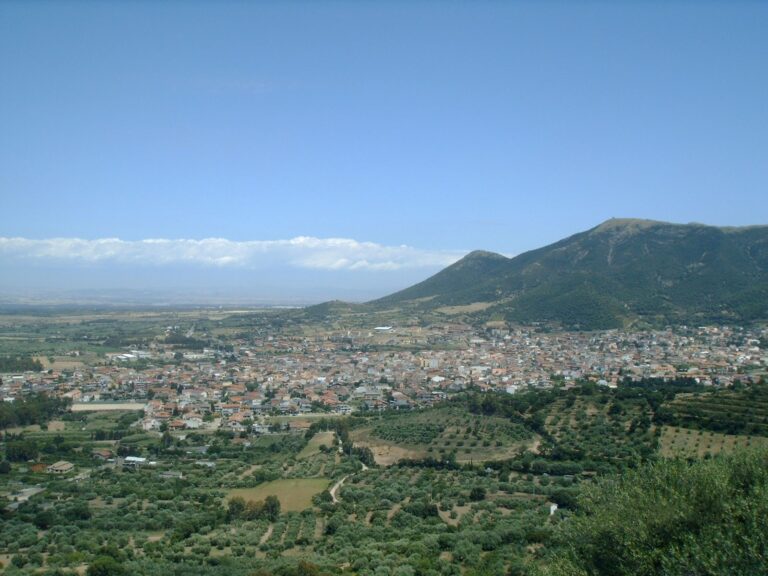
San Gavino Monreale, capital of Sardinian saffron
San Gavino is a town of about eight thousand people in the heart of the Campidano, the wide plain of southern Sardinia. It was born in the Middle Ages from the merger of three small villages within the Giudicato of Arborea, one of Sardinia’s four medieval kingdoms, and took its name from a small church dedicated to the martyr Saint Gavinus. “Monreale” was added later, under Spanish rule, after the nearby Monreale castle. The town then passed to the Aragonese and to the marquisate of Quirra until feudalism was abolished in 1839.
Its bond with saffron goes back a long way: from the second half of the 15th century, records speak of a big expansion of crocus fields here. San Gavino is still considered the island’s leading producer and, with Villanovafranca and Turri, forms the area of Zafferano di Sardegna DOP (EU Protected Designation of Origin since 2009), one of the few top-quality saffrons grown in Europe.
Next to its farming soul there’s an industrial one: since 1932 a foundry here processed lead and zinc from the Montevecchio mines, shaping local life and work for decades.
What happens at the regional saffron show
The San Gavino stop is the biggest of the festival. In past editions the centre filled with stalls of saffron growers and other local producers, with an info point in Piazza Marconi, visits to the fields during the harvest and demonstrations of flower cleaning inside village homes, plus tastings, music and saffron menus in local restaurants.
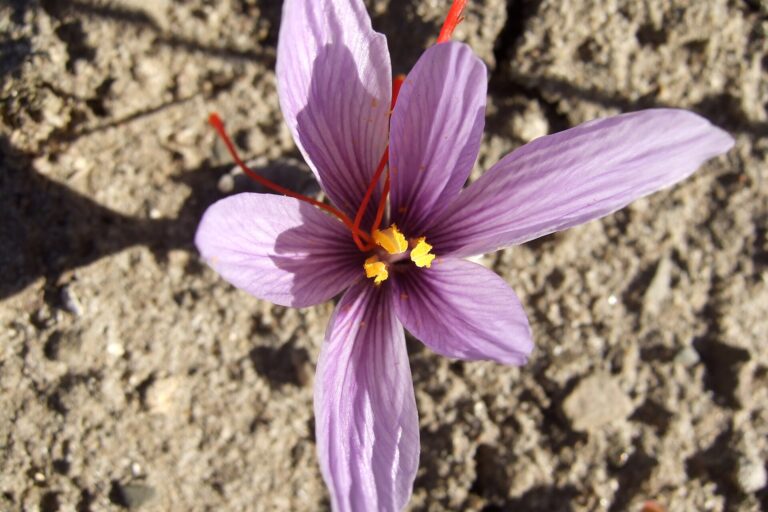
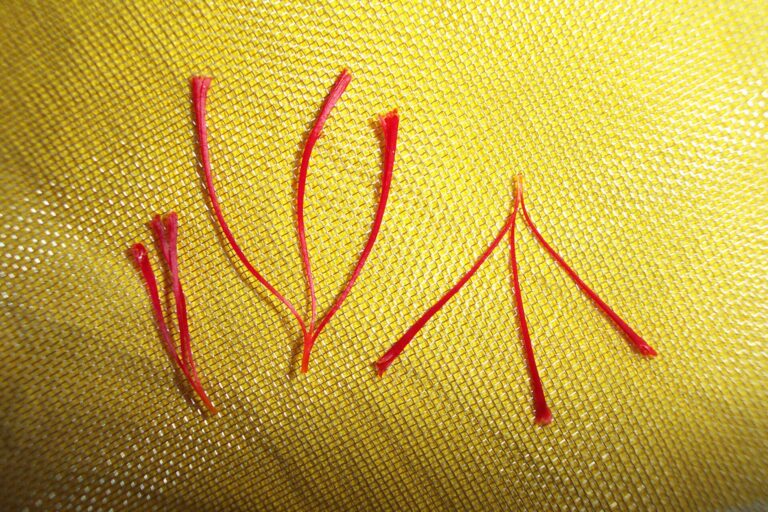
Take time to watch the work. The Crocus sativus flower is picked while still closed in the morning, then opened by hand to remove its three red stigmas. It takes hundreds of flowers to make a single gram of spice, which is why saffron is so precious. In the Sardinian tradition the stigmas are then coated with a thin film of extra virgin olive oil and dried.
The detailed 2026 programme (times, visits, side events) is published by the Comune (town hall) of San Gavino Monreale and the official Saffron Roads channels: check it before you set off.
What to buy and what to taste
San Gavino is the best place to stock up on saffron. A few tips for buying well:
- choose whole threads: it’s the form the DOP requires and lets you judge quality by eye;
- the threads should be a bright, even red, with no yellow or white parts;
At the festival saffron colours classic Campidano dishes such as malloreddus (small ridged semolina dumplings) and fregula (toasted semolina pearls), as well as soups, meat dishes and the semolina bread typical of the plain. For dessert look for pardulas, small pastries filled with fresh cheese or ricotta. From nearby Villacidro comes Villacidro Murgia, a bright yellow herbal liqueur that makes a great souvenir alongside the spice.
Things to see in San Gavino Monreale and nearby
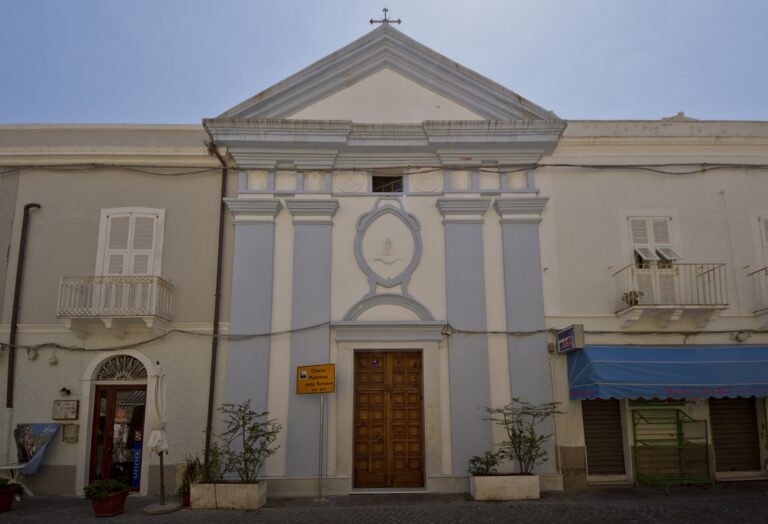
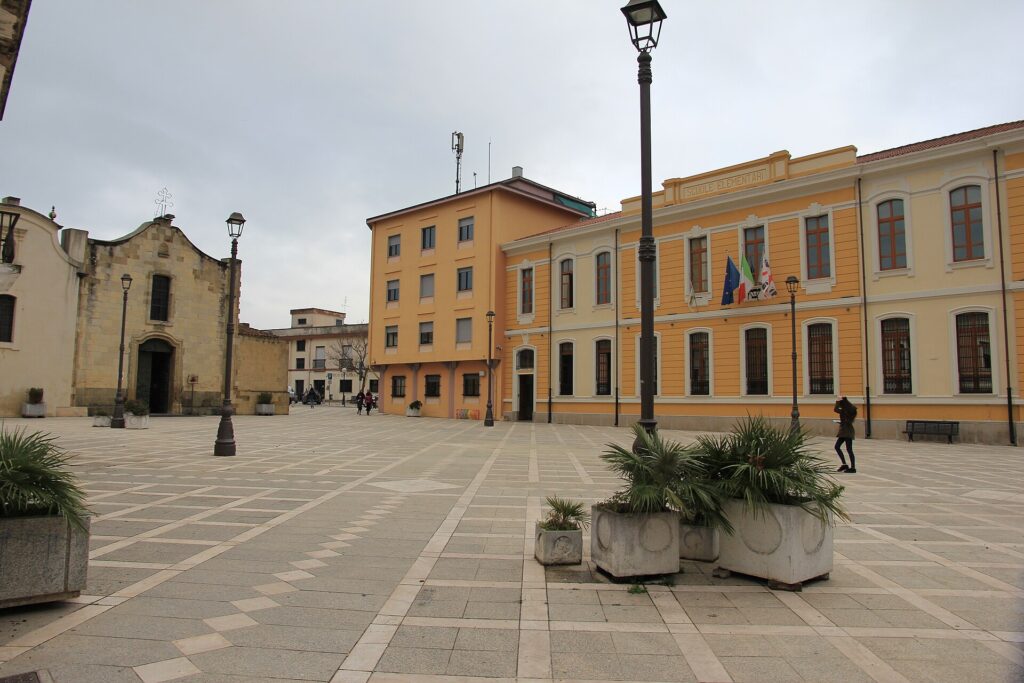
The town’s treasure is the church of San Gavino Martire, commissioned in 1347 by Mariano IV of Arborea. It keeps Gothic features and, in the apse, four carved corbels with the faces of Mariano, his son Ugone III, his daughter Eleonora of Arborea (the ruler behind the famous Carta de Logu law code) and her husband Brancaleone Doria: a family portrait in stone unique in Sardinia. Also worth a look are the churches of Santa Chiara, the patron saint, Santa Lucia (15th century) and Santa Croce (16th century), the Campidano houses with their large arched gateways, and the ethnographic museum on rural life.
A few kilometres away stand Monreale castle, which gave the town its name, and Sardara with the nuragic sacred well of Sant’Anastasia and its thermal springs.
Getting to San Gavino and practical tips
San Gavino is the easiest of the three saffron villages to reach. From Cagliari-Elmas airport it’s about 45 minutes by car along the SS131; Cagliari port is a similar distance. The town also has a railway station on the Cagliari–Oristano line, handy if you don’t drive (check the reduced Sunday timetable). From Alghero allow about two hours by car, from Olbia about three.
- Timing: arrive in the morning to see the fields during the harvest and browse the stalls before the crowds.
- What to wear: comfortable closed shoes for the fields and a jacket for the cool November air.
- Cash: bring some for buying from growers.
- Where to stay: the town has hotels and B&Bs and makes a good base for exploring the Marmilla and Medio Campidano.
FAQ: San Gavino saffron festival 2026
When is the San Gavino Monreale saffron festival in 2026?
The San Gavino Monreale stop of the Strade dello Zafferano di Sardegna DOP is on Sunday 15 November 2026, a week after Villanovafranca (8 November) and before Turri (22 November).
Can I get to San Gavino by train?
Yes. San Gavino has a station on the line linking Cagliari with Oristano and the north of the island. Sunday services are less frequent.
Why is San Gavino saffron so famous?
The town has grown it for centuries, is Sardinia’s leading producer and belongs to the DOP area with Villanovafranca and Turri. Sardinian saffron is sold as whole threads treated with olive oil before drying.
What is there to see in San Gavino Monreale?
The 14th-century church of San Gavino Martire with its portraits of Eleonora of Arborea and her family, the churches of Santa Chiara, Santa Lucia and Santa Croce and, nearby, Monreale castle and the Sant’Anastasia sacred well in Sardara.
Source: www.itinerarinelgusto.it