Madonna dello Schiavo Festival in Carloforte 2026
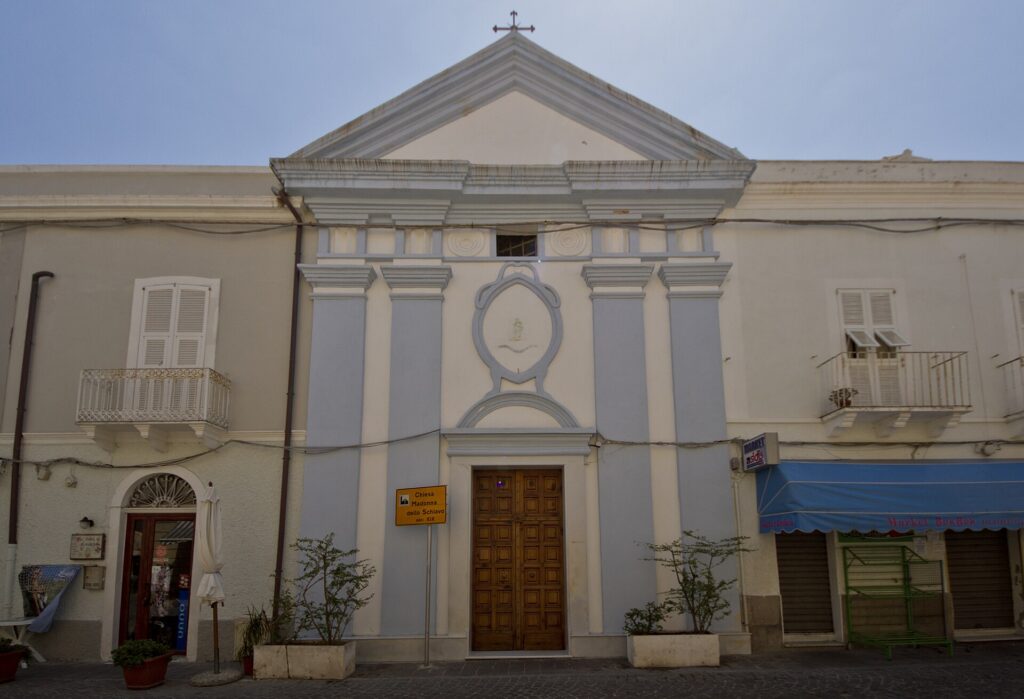
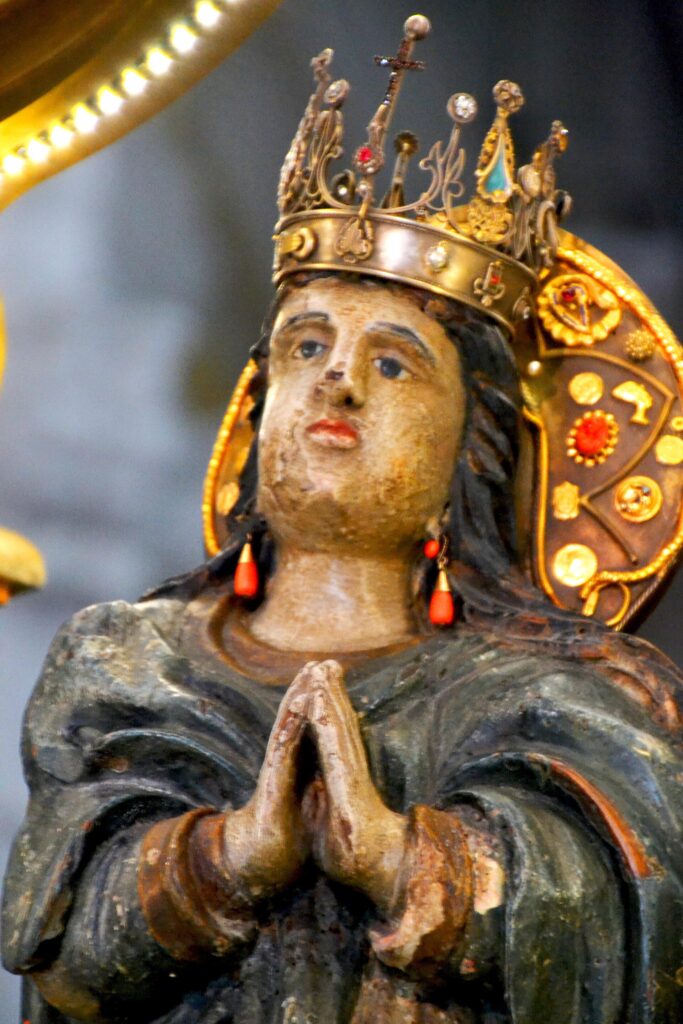
On Sunday 15 November 2026 Carloforte, the only town on the island of San Pietro off Sardinia’s south-west coast, honours the Madonna dello Schiavo (“Our Lady of the Slave”), a small dark-faced statue that recalls how the town’s people were captured by Tunisian corsairs at the end of the 18th century, and how they came home. It’s the most heartfelt feast of the local Tabarchino community: a day of faith and remembrance on an island that in November feels calm and genuine.
The story of the Madonna dello Schiavo
The story begins far away. In 1542 a group of coral-fishing families from Pegli, near Genoa, settled on the islet of Tabarka, off what is now Tunisia. Two centuries later, in 1738, their descendants, the Tabarchini, moved to the then-uninhabited island of San Pietro and founded a town named Carloforte in honour of King Charles Emmanuel III of Savoy.
On 2–3 September 1798 Tunisian corsairs raided the island and carried off around 900 people, almost the entire population, to Tunis. Their captivity lasted nearly five years. According to tradition, one of the enslaved, Nicola Moretto, found a small wooden statue of a black-faced Madonna on the beach at Nabeul, probably the figurehead of a ship. The prisoners, led by the young priest Nicolò Segni, who had chosen to stay with them, gathered in prayer around the image.
In 1803, after a heavy ransom was paid and diplomatic pressure, including from France, was put on the Bey of Tunis, the people of Carloforte were freed; the first group returned on 4 June. They brought the statue with them, and Father Segni had an oratory built to house it. Many never came back: a plaque remembers the 117 Tabarchini who died in slavery.
What happens on 15 November in Carloforte
For Carloforte’s people, 15 November is a date not to be missed, and those living away from the island try to come back for it. The day centres on religious services and ends in the evening with the procession, when the dark-faced statue is carried through the town centre, between the harbour and the colourful lanes. It’s a quiet, deeply felt celebration, very different from Sardinia’s big summer festivals: what matters here is memory and community.
The devotion also links Tabarchini elsewhere: a Mass is held in Cagliari, at the Basilica of Bonaria, for those who live away from the island, and the feast is also marked in Pegli, Carloforte’s twin town. Times for Mass and the procession are announced by the parish and the Comune (town hall) of Carloforte, so check before you travel.
What to eat in Carloforte: Tabarchino cooking
Carloforte’s food is unlike anywhere else in Sardinia, blending Ligurian and North African roots. The signature dish is cascà, a semolina couscous with vegetables and pulses, a legacy of the Tunisian years. Then there’s bluefin tuna, the backbone of the island’s economy for centuries thanks to its tonnara (tuna fishery), celebrated every spring at the Girotonno festival. In November you’ll mostly find it preserved, which makes it a perfect thing to take home. Also try farinata, a chickpea flatbread straight from the Ligurian tradition.
Things to see in Carloforte and on San Pietro island
Before or after the procession, visit the Oratory of the Madonna dello Schiavo on Via XX Settembre, known in Tabarchino as Gexetta d’u Prevìn, “the little priest’s little church”, after Father Segni. Inside, along with the statue and votive offerings, are the remains of an unknown slave brought back from Tunis in 1988 and the plaque for those who died in captivity.
The town is easy to explore on foot: the seafront with the monument to Charles Emmanuel III, stretches of the old walls with the Porta del Leone, the church of the Novelli Innocenti and the San Vittorio tower, now a multimedia museum on local history. Listen to people talking: Tabarchino, a dialect of Ligurian origin, is still everyday speech here.
Beyond town, the island offers stunning scenery even in autumn: the Capo Sandalo lighthouse on the western tip, famous for sunsets, the cliffs of La Conca, the sea stacks known as Le Colonne, and coves such as Cala Fico, La Bobba and Cala Vinagra. Near town are the salt pans, where pink flamingos are a common sight.
Getting to Carloforte and practical tips
Carloforte can only be reached by sea. Ferries leave from Portovesme (about 40 minutes) and from Calasetta on Sant’Antioco island (about 30 minutes). The nearest airport is Cagliari-Elmas, about an hour’s drive from Portovesme. From Alghero or Olbia the trip takes several hours.
- Weather and ferries: November winds can be strong and crossings may change, so check the latest timetable and leave some slack.
- When to arrive: the procession is in the evening, so arrive during the day or the day before and stay the night.
- Accommodation: some places close out of season, so book ahead.
- Car or not: the town is walkable; you only need a car to explore the island.
- What to wear: a windproof jacket and comfortable shoes for walking the paved streets.
FAQ: Madonna dello Schiavo feast 2026
When is the Madonna dello Schiavo feast in Carloforte in 2026?
Sunday 15 November 2026. The feast is held every year on 15 November, with religious services and an evening procession through town.
Why does the Madonna dello Schiavo have a black face?
She’s a small dark wooden statue, probably a ship’s figurehead, which according to tradition was found on the beach at Nabeul, Tunisia, while the people of Carloforte were held captive (1798–1803).
Where is the statue kept?
In the Oratory of the Madonna dello Schiavo on Via XX Settembre in Carloforte, together with votive offerings and memorials to the Tabarchino slaves.
How do I get to Carloforte in November?
By ferry from Portovesme or Calasetta, which run all year. Portovesme is about an hour’s drive from Cagliari airport.
Source: siviaggia.it