Saffron Roads in Villanovafranca 2026
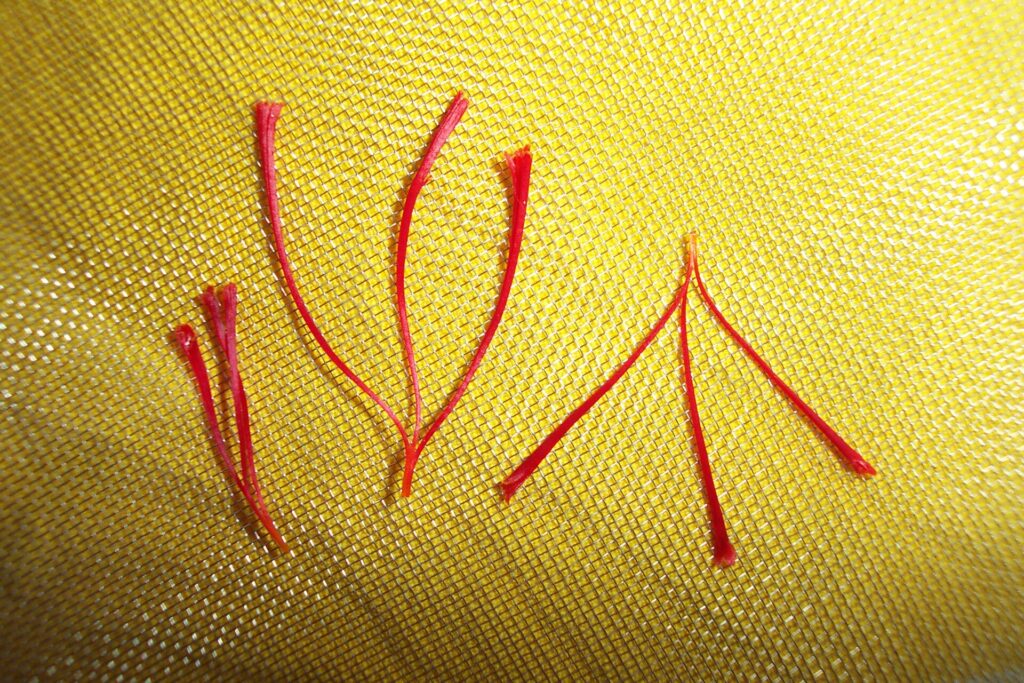
On Sunday 8 November 2026 the village of Villanovafranca, in Sardinia’s Marmilla hills, opens the Strade dello Zafferano di Sardegna DOP (“Saffron Roads”), the autumn festival linking the three villages where the island’s “red gold” is grown. It’s your chance to walk among crocus fields in bloom, watch saffron being picked and processed by hand, and taste dishes and sweets coloured with it, in a village that is also home to one of Sardinia’s most unusual Bronze Age sites.
History of saffron in Villanovafranca
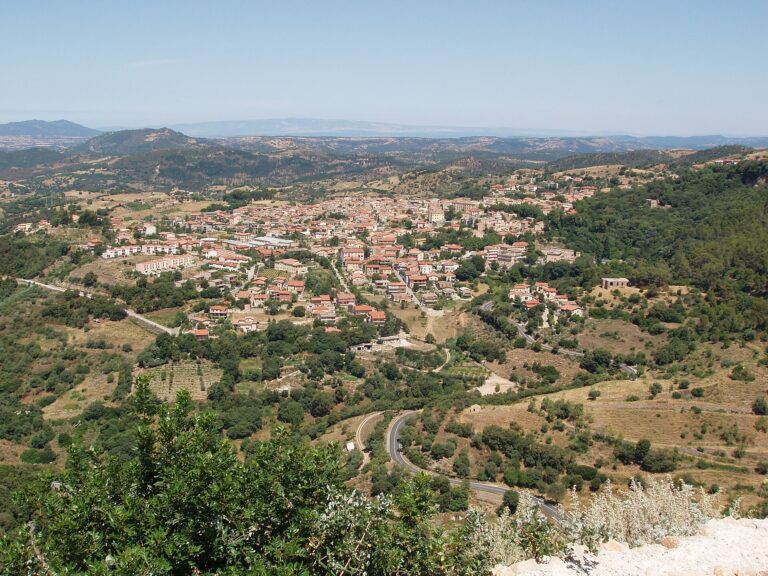
Villanovafranca is a medieval village, first mentioned in a document from 1219. After the era of the Giudicato of Arborea (one of the four medieval Sardinian kingdoms) it became part of the barony of Las Plassas, held by the Zapata family, and stayed a feudal estate until 1839. People lived here long before that, though: the surrounding hills are dotted with nuraghi, the stone towers of Sardinia’s Bronze Age civilisation.
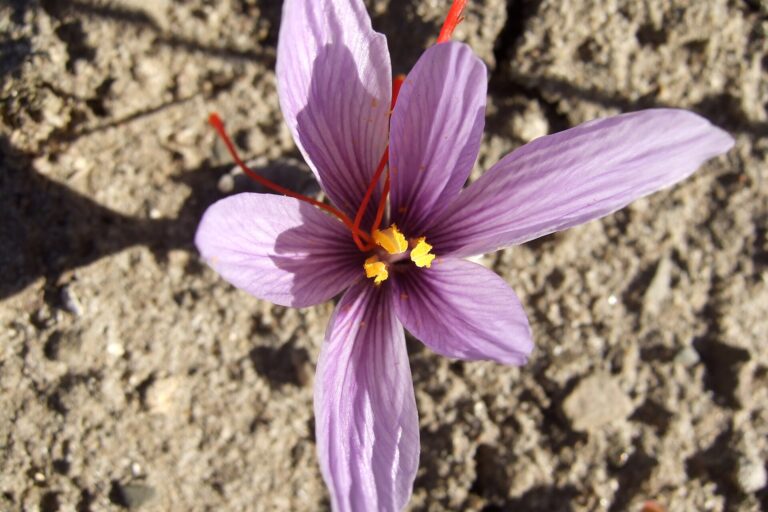
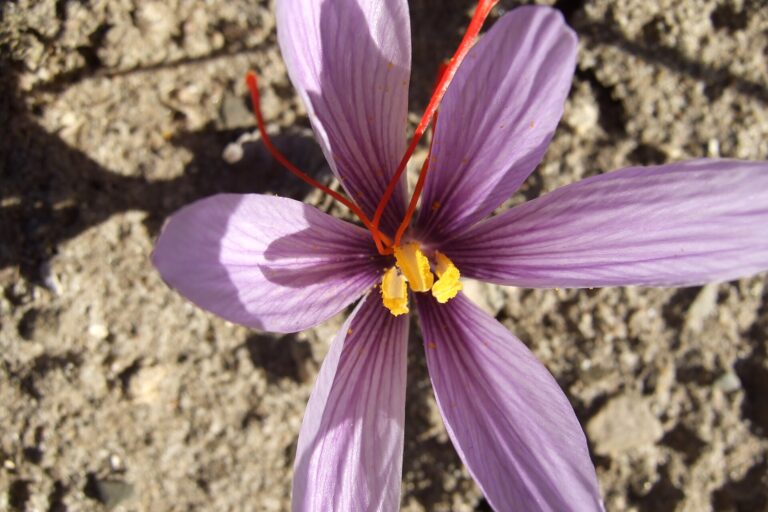
Farming has always been the backbone of life here: durum wheat, olives, vines, almonds and, for generations, saffron. Together with San Gavino Monreale and Turri, Villanovafranca makes up the tiny area that produces Zafferano di Sardegna DOP, which received EU Protected Designation of Origin status in 2009. Growing it is still a family affair: the corms are planted in summer, the purple flowers appear from late October into November, and each one is picked by hand early in the morning.
The Saffron Roads festival was created by the three villages to share this product and the landscape behind it. The order of the stops changes each year; in 2026 Villanovafranca goes first.
What happens at the Villanovafranca saffron festival
On festival day the village centre fills with stalls run by growers and local producers, and you can head out to the fields to see the flowers up close. One of the best moments to witness is the sfioritura: the patient, completely manual work of pulling the three red stigmas from each flower. Only these threads become the spice. In the Sardinian tradition the stigmas are then lightly moistened with extra virgin olive oil before drying, a step written into the DOP rules.
The programme usually includes tastings, guided visits, music and activities for children, but it changes every year. For timings and details of the 2026 edition, check with the Comune (town hall) of Villanovafranca and the festival’s official channels.
What to eat: saffron ice cream and Marmilla dishes
The treat visitors remember most in Villanovafranca is saffron ice cream, which has become a signature of the village’s festival. Alongside it you’ll find dishes where saffron has always played a part in southern Sardinian cooking: malloreddus (small ridged semolina dumplings, often served “alla campidanese” with a sausage and tomato sauce), fregula (toasted semolina pearls), ravioli and sweets such as pardulas, little saffron-scented pastries filled with fresh cheese or ricotta.
To take home: saffron threads bought straight from the growers, extra virgin olive oil, almonds and local baked goods.
Things to see in Villanovafranca and nearby
Less than a kilometre from the village stands the Su Mulinu nuraghe, built around 1500 BC and used for centuries. Inside, archaeologists found an early Iron Age stone altar, unique in Sardinia, shaped like a model nuraghe and carrying a symbol linked to moon worship. Finds from the site are on show at the Su Mulinu Archaeological Museum in the village: visit the museum first, then the nuraghe, and everything will make more sense.
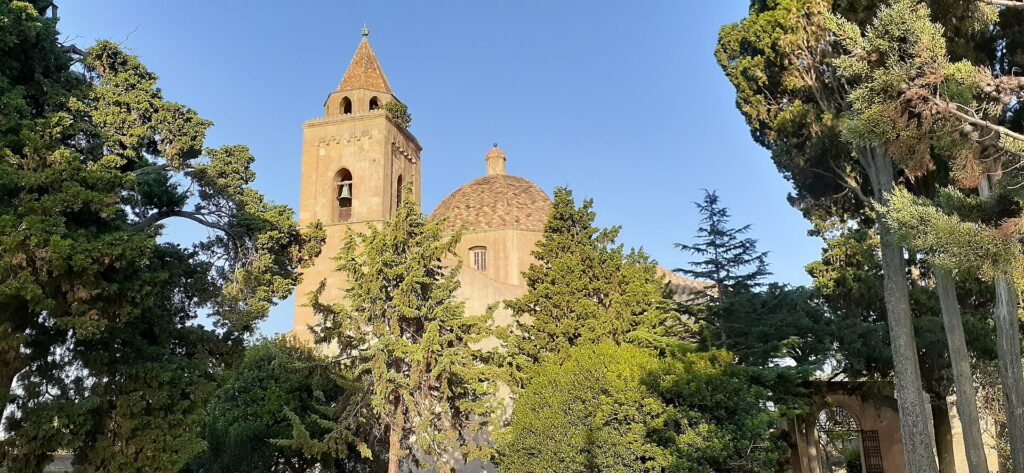
In the village, stop by the parish church of San Lorenzo, whose bell tower and octagonal dome are visible from far across the Marmilla. The old centre is built from local marl and sandstone, with dry-stone walls in the oldest houses.
The surroundings are a dream for archaeology lovers. On the cone-shaped hill of Las Plassas, a few minutes’ drive away, are the ruins of the Castle of Marmilla, once a stronghold of the Giudicato of Arborea. Just beyond lies Barumini with the UNESCO-listed nuragic complex of Su Nuraxi. Tuili has the Sardegna in Miniatura park, and to the north rises the Giara di Gesturi plateau, famous for its small wild horses.
Getting to Villanovafranca and practical tips
You’ll need a car. The nearest airport is Cagliari-Elmas, about an hour’s drive via the SS131 highway and the Marmilla country roads. From Alghero or Olbia airports allow well over two and a half hours. If you arrive by ferry, Cagliari port is about an hour away, while Olbia and Porto Torres are much further. Public transport is limited, especially on Sundays.
- When to arrive: flowers are picked early in the morning, so come in the morning if you want to see the fields and the processing.
- What to wear: November mornings in the Marmilla are cool and the fields can be muddy, so bring closed shoes and a light waterproof jacket.
- Cash: handy for buying from small producers’ stalls.
- Where to stay: the village has a few B&Bs and guest rooms; otherwise base yourself in nearby Marmilla villages or in Cagliari.
FAQ: Villanovafranca saffron festival 2026
When is the Villanovafranca saffron festival in 2026?
The Villanovafranca stop of the Strade dello Zafferano di Sardegna DOP festival is on Sunday 8 November 2026. It’s followed by San Gavino Monreale on 15 November and Turri on 22 November.
Can I see saffron fields in bloom?
Yes. November is flowering season and growers open their fields to visitors during the festival. Mornings are best, when the flowers are picked while still closed.
What makes Sardinian PDO saffron special?
It is grown only in Villanovafranca, San Gavino Monreale and Turri, it’s sold as whole threads, and by tradition the stigmas are moistened with extra virgin olive oil before drying.
What else is there to see in Villanovafranca?
The Su Mulinu nuraghe and its altar, the Su Mulinu Archaeological Museum, San Lorenzo church and, nearby, Las Plassas castle and Su Nuraxi in Barumini.
Source: www.paradisola.it