Ocraxus in Laconi 2026
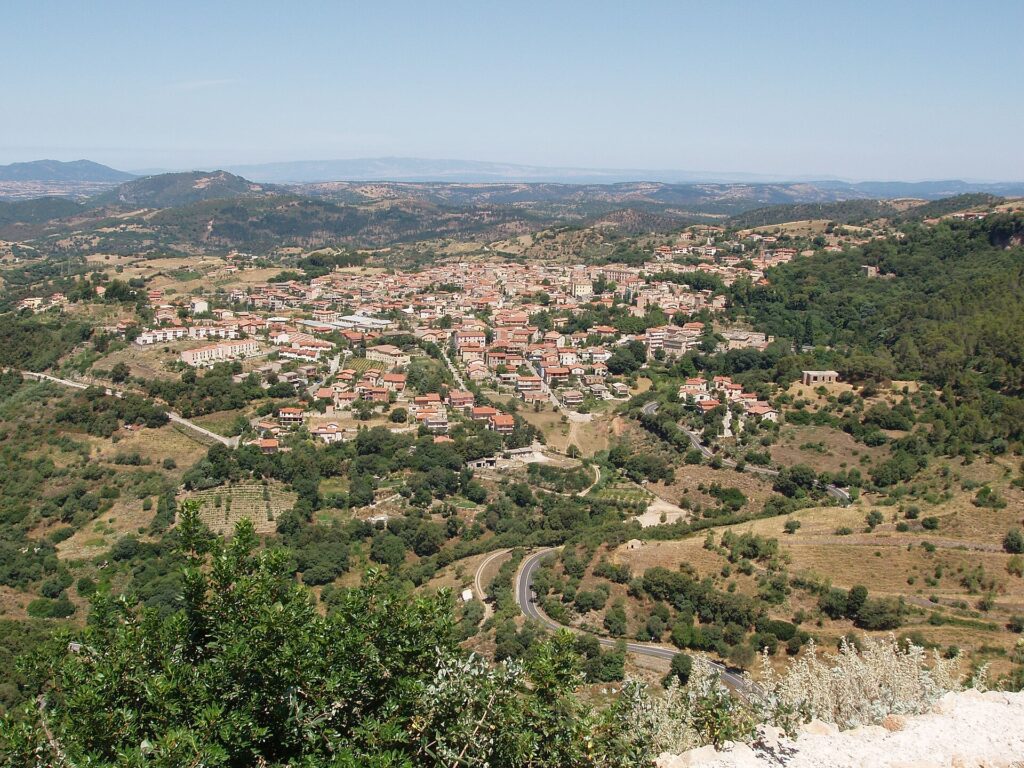
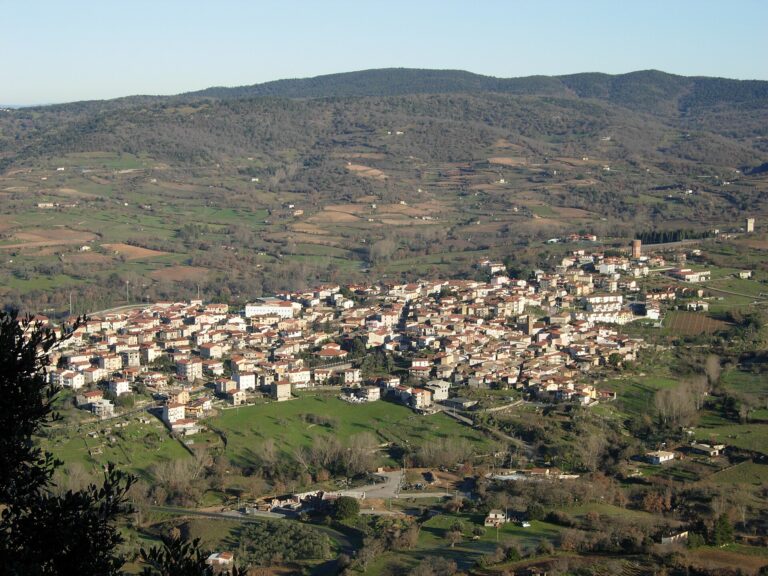
On Saturday 21 and Sunday 22 November 2026, Laconi, a village in the Sarcidano hills of central Sardinia, steps back in time with Ocraxus. For two days the old centre becomes a trail through its quarters, old houses and historic villas, opened to visitors, where traditional crafts and trades come back to life and you can taste the flavours of the past.
Ocraxus: the story and meaning of the event
The name says it all. In the Laconi dialect, ocraxus are the village’s meeting points: the corners, crossroads and little squares where people stop to chat, laugh and swap the day’s news. “Is ocraxus are about meeting”, as the organisers put it. The event sets out to recreate that atmosphere from the days when village life happened in the street and in the courtyards.
Ocraxus was started around ten years ago by a local cultural association and has grown into one of the best-loved autumn events in central Sardinia. The idea is simple but effective: open the historic houses, bring together craftspeople, musicians, folk groups and local historians, and tell Laconi’s story to whoever comes to visit. It is a long story, stretching from prehistoric standing stones to the Aymerich marquises and Saint Ignatius of Laconi, Sardinia’s best-loved saint.
What happens at Ocraxus
The programme changes every year and is published by the organisers. Recent editions have featured:
- old houses and historic villas opened to the public, with craft displays;
- demonstrations of traditional crafts and trades, including medieval ones;
- exhibitions on art, local history and nature, and talks on the village’s past;
- a parade of folk groups in traditional dress and a medieval re-enactment with a historical procession;
- music in squares, houses and courtyards: polyphonic choirs, canto a tenore (Sardinian four-part male singing, recognised by UNESCO) and traditional instruments;
- tastings of local products and food stops;
- visits to the village’s museums and landmarks.
The charm of Ocraxus is that there is no single stage: you wander, step into courtyards, stop to listen to a choir or watch a craftsman at work. Give it the whole day.
What to eat and take home
Courtyards and food stops serve traditional dishes of the Sarcidano: wood-fired bread, sheep’s and goat’s cheeses, local cured meats, soups and slow-cooked meats. For something sweet, look for almond and honey treats and pani ‘e saba, a sweet bread made with sapa (cooked grape must), linked to the village’s winter festivities.
To take home: honey, cheese, biscuits and local crafts – textiles, wood and wrought iron – which during Ocraxus you can buy directly from the makers.
Things to see in Laconi
Laconi is a village of about two thousand people, green and full of water, and it holds the Bandiera Arancione (Orange Flag), the Touring Club Italiano’s quality award for small inland towns. It’s worth a visit beyond the festival days:
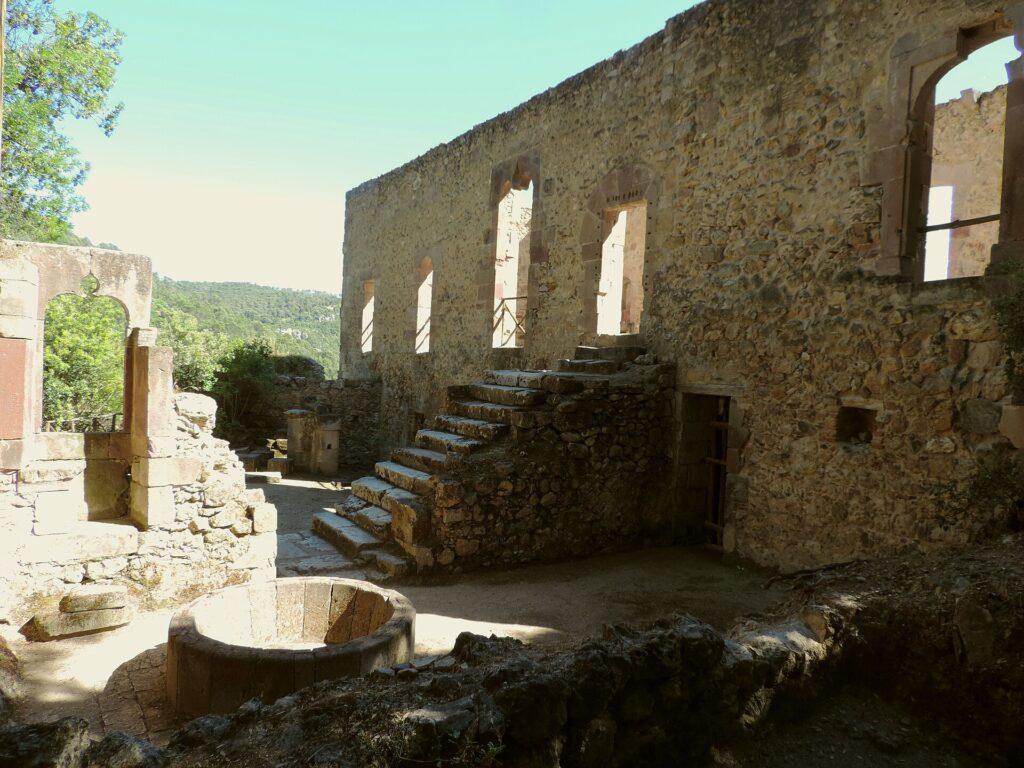
- Parco Aymerich, a large historic park with ancient trees, streams, small waterfalls and the ruins of the Aymerich castle – beautiful in autumn colours;
- the Menhir Statue Museum, home to stones carved by the people of the Sarcidano between the late Neolithic and the Copper Age, decorated with stylised human figures – a collection unique in Sardinia;
- the birthplace of Saint Ignatius of Laconi (1701–1781), a Capuchin friar canonised in 1951, starting point of a devotional route through the old town that includes the parish church dedicated to Saint Ambrose and the saint himself, and a museum in his name.
Nearby you can visit the Corte Noa menhir site, the Giara di Gesturi plateau with its wild ponies and, a little further south, the UNESCO-listed nuragic village of Su Nuraxi in Barumini. To the north begin the villages of the Barbagia di Belvì, such as Aritzo and Belvì, known for their chestnut woods.
Getting there and practical tips
Laconi lies in the heart of Sardinia, in the province of Oristano, on the SS128 road.
- From Cagliari (Elmas airport and port): about 1 hour 30 minutes by car.
- From Oristano: about an hour.
- From Olbia (airport and port): about 2 hours 30 minutes.
- From Alghero airport: just over two hours.
Laconi is also a stop on the Trenino Verde heritage railway (Mandas–Sorgono line), but that tourist service is seasonal, so in November a car is the way to go. The village sits at over 500 metres and late November is cold, especially in the evening: bring a warm coat and comfortable shoes for the cobbled streets. Arrive in the morning to enjoy the trail calmly, keep some cash for tastings and purchases and, if you want to stay both days, book a B&B or agriturismo (farm stay) in advance.
Ocraxus 2026: FAQ
When is Ocraxus 2026 in Laconi?
On Saturday 21 and Sunday 22 November 2026, in Laconi’s old town.
What does “Ocraxus” mean?
In the Laconi dialect, ocraxus are the village’s meeting points, the corners where people stop to talk and share news – which is why the event is all about getting together.
What else is there to see in Laconi?
Parco Aymerich with the castle ruins, the Menhir Statue Museum and the birthplace of Saint Ignatius of Laconi.
How far is Laconi from Cagliari?
About an hour and a half by car from Cagliari and about an hour from Oristano.
Source: siviaggia.it