Sant’Antonio Bonfires and Mamuthones in Mamoiada 2027
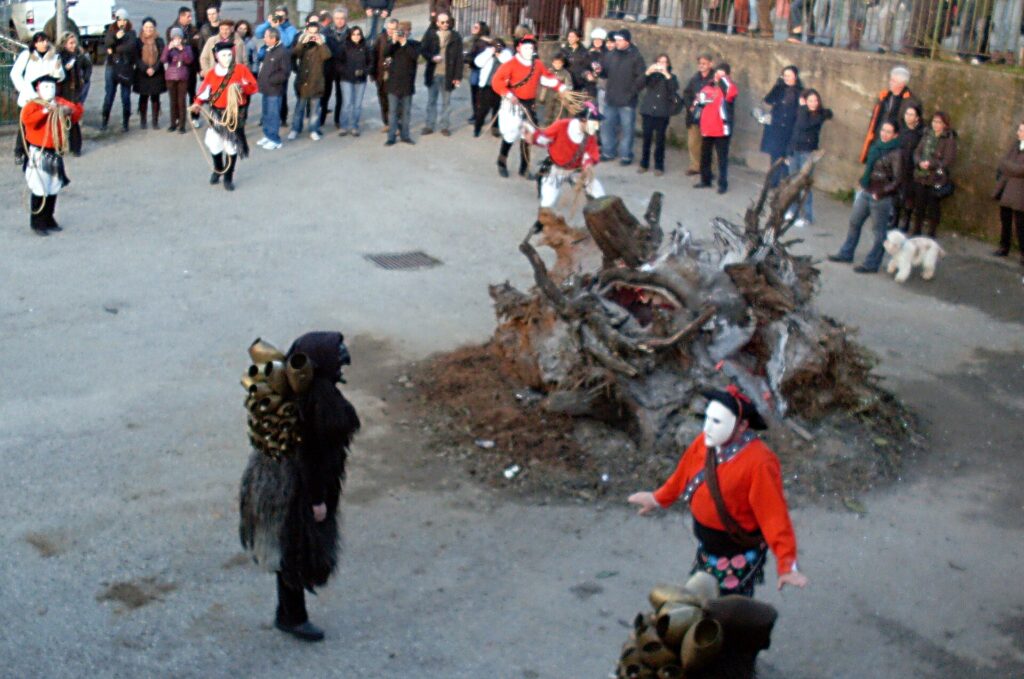
On Saturday 16 and Sunday 17 January 2027 Mamoiada, in the heart of Sardinia’s Barbagia region, celebrates Saint Anthony the Abbot with one of the island’s oldest and most powerful rituals. On the evening of the 16th, huge bonfires blaze in every quarter of the village; on the 17th the Mamuthones and Issohadores – Mamoiada’s ancient masked figures – come out for the first time of the year and dance around the fires, officially opening the Barbagia carnival season.
Fire, clanging cowbells, dark wooden masks and a whole community out in the streets: if you want to see Sardinia at its most authentic, this is the moment.
The meaning of the Saint Anthony bonfires in Mamoiada
In Mamoiada the feast is called Sant’Antoni ‘e su ohu, “Saint Anthony of the fire”. A legend told all over Sardinia says that Saint Anthony went down to hell and stole its fire to give to mankind, hiding it in his fennel-stalk staff – a story that echoes the Greek myth of Prometheus and explains why the saint’s mid-January feast is a festival of bonfires.
In the depths of winter, fire stands for purification and good luck for the year ahead. The Mamuthones share that meaning: according to the most common interpretation, the deep clang of their cowbells drives away evil and calls for a good harvest. The masks’ true origins are much debated and have fascinated scholars and travellers for generations. What is certain is that the ritual is deeply felt by the community, which hands it down from parent to child.
What happens: bonfires and the first parade
16 January: the eve and the bonfires
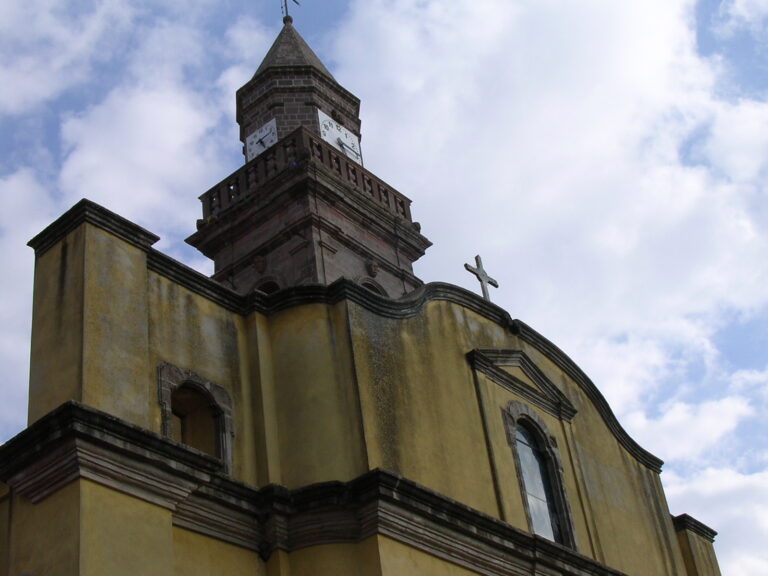
On the eve, in front of the parish church, the priest blesses the first fire and the faithful walk around it three times reciting the Creed. Embers from this blessed fire are then used to light the neighbourhood bonfires: each quarter builds its own from great stacks of wood. People gather around them late into the night, offering wine and traditional sweets to everyone. It’s a community celebration, but visitors are welcomed with real warmth.
17 January: the first outing of the Mamuthones and Issohadores
On the saint’s day comes the prima issida, the masks’ first outing of the year. After the dressing ceremony at the headquarters of the associations that keep the tradition, the procession winds through the village to each bonfire, dancing around it.
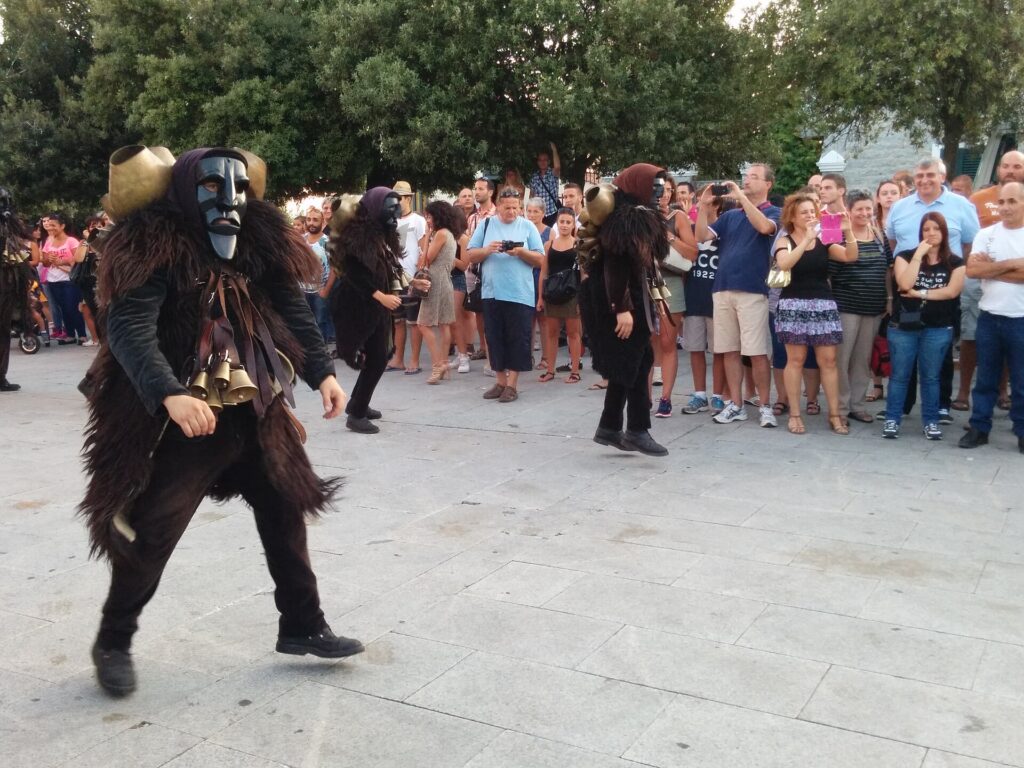
- The Mamuthones wear black sheepskins, a dark wooden mask (the visera) and a heavy load of cowbells on their backs. They advance bent forward in two parallel rows with a slow, measured step; with each jump and shrug of the shoulders, all the bells ring out together.
- The Issohadores wear red jackets and white masks and move nimbly beside the Mamuthones, leading them. With the soha, a long rope, they “lasso” young women or friends in the crowd – being caught is a sign of good luck.
Times and details vary from year to year; the official programme is published by the Pro Loco and the Comune di Mamoiada.
What to eat and what to take home
Around the fires you’ll taste the festive sweets, such as caschettas, popassinos (white and dark, with raisins and nuts) and honey-based coccone ‘in mele. But Mamoiada’s real pride is its Cannonau wine: the village has dozens of small, often family-run cellars, and its reds are among the most admired on the island. A bottle of Mamoiada Cannonau is the perfect souvenir.
Add some Barbagia sheep’s cheese, cured meats and traditional bread. Many visitors also take home a small hand-carved wooden mask made by local craftsmen.
Things to do in Mamoiada and nearby
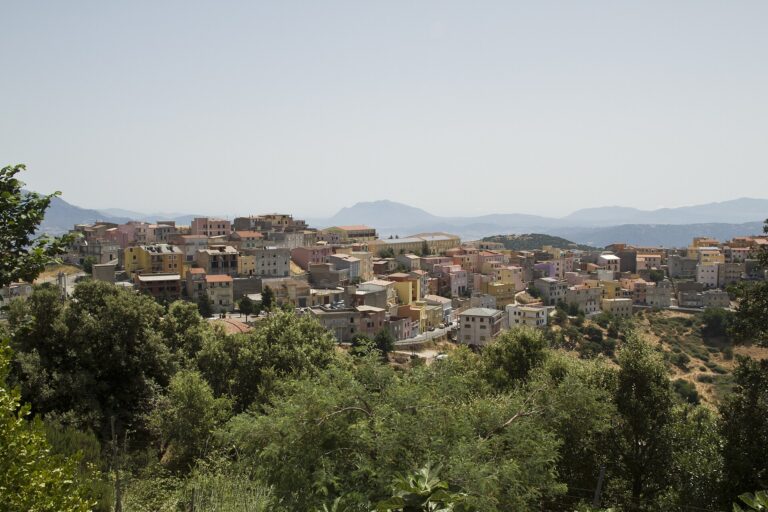
Mamoiada, a village of about 2,400 people at over 600 metres, is just a few kilometres from Nuoro. Don’t miss:
- the Museum of Mediterranean Masks, which explains the Mamuthones and Issohadores alongside traditional masks from other Mediterranean and European countries – the ideal place to understand the ritual;
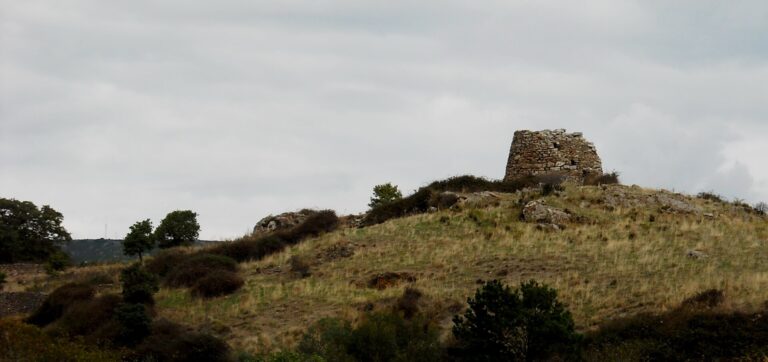
- Sa Perda Pintà, also known as the Boeli stele: a granite standing stone over two and a half metres tall, carved with concentric circles and cup marks, found in 1997;
- the country sanctuary of Santi Cosma e Damiano, a few kilometres away, surrounded by pilgrims’ cottages (cumbessias);
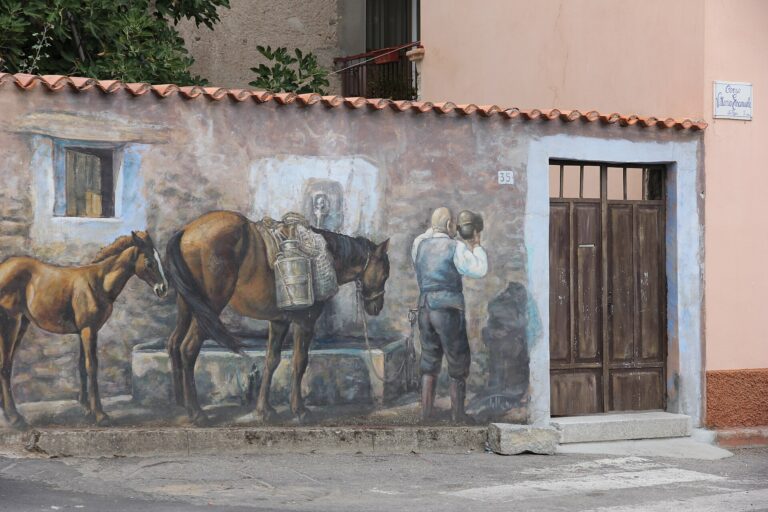
Nearby you can visit Orgosolo and its famous political murals, Nuoro with its Costume Museum, the birthplace of Nobel-winning writer Grazia Deledda and Monte Ortobene, and Barbagia villages such as Gavoi and Fonni.
Getting to Mamoiada and practical tips
- By car: about 20 minutes from Nuoro.
- From the airports: about 1 and a half hours from Olbia, about 2 and a half hours from Cagliari, about 2 hours from Alghero.
- From the ports: about 1 and a half hours from Olbia, about 2 and a half hours from Cagliari.
- When to arrive: to see the blessing and lighting of the fires, arrive on the afternoon of the 16th; for the masks’ first parade, be there from early afternoon on the 17th.
- What to wear: January nights in the Barbagia are very cold and it can snow – layers, sturdy shoes, a hat and gloves. Watch out for sparks and smoke near the fires.
- Where to stay: beds in the village are few and should be booked early; Nuoro is a good alternative a short drive away.
FAQ: Saint Anthony bonfires in Mamoiada 2027
When are the Saint Anthony bonfires in Mamoiada in 2027?
The bonfires are lit on the evening of Saturday 16 January 2027; the Mamuthones and Issohadores make their first appearance on Sunday 17 January.
Who are the Mamuthones?
Mamoiada’s traditional masked figures: dressed in black sheepskins, faces hidden behind dark wooden masks, with cowbells on their backs. They parade escorted by the red-jacketed Issohadores.
When can I see the Mamuthones again after Saint Anthony?
During carnival, especially on carnival Sunday and Shrove Tuesday, when they parade through the village again.