Autunno in Barbagia in Fonni 2026: Cortes Apertas
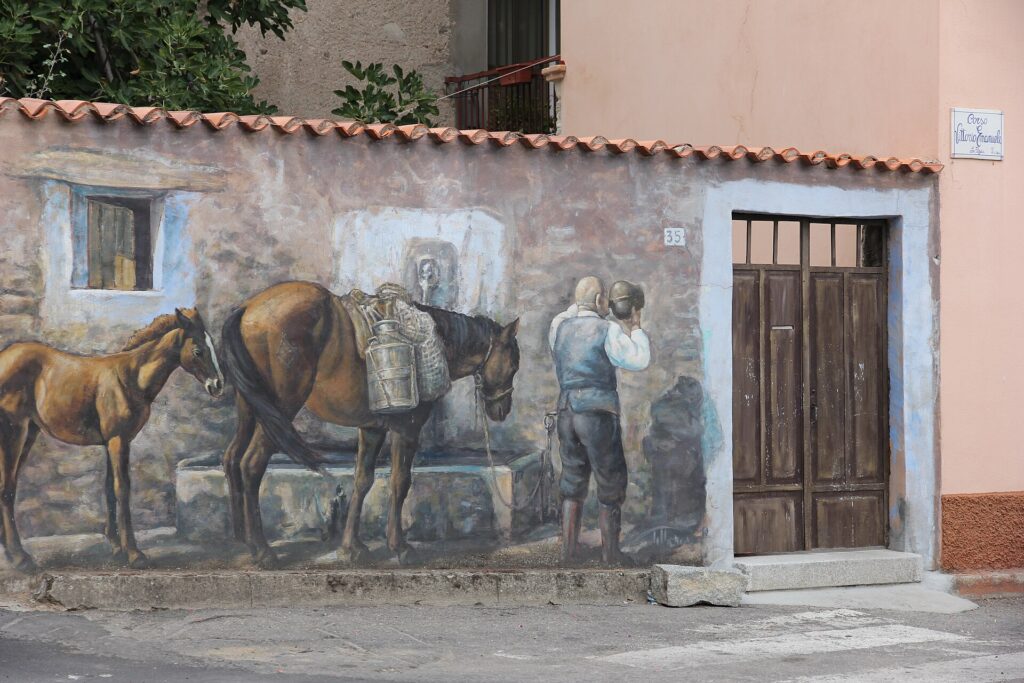
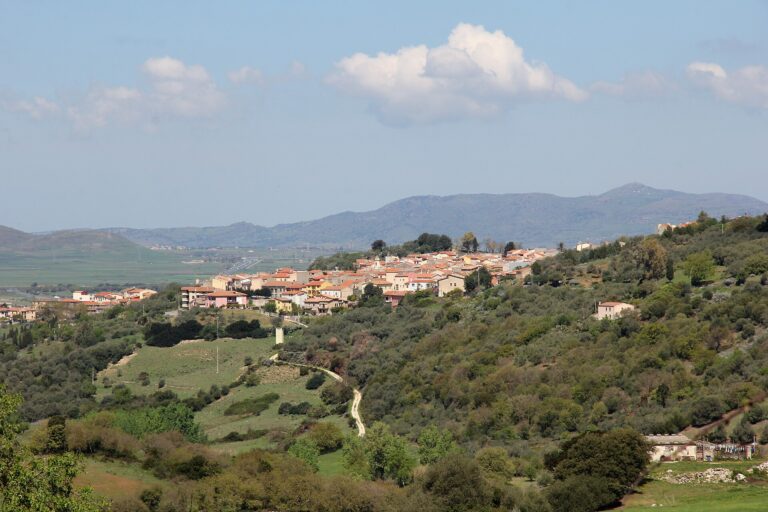
From 6 to 8 December 2026, over Italy’s Immaculate Conception holiday weekend, Fonni hosts its stop of Autunno in Barbagia – Cortes Apertas. At around 1,000 m on the slopes of the Gennargentu, Sardinia’s highest village opens its historic houses, courtyards and cellars, with mountain food, crafts, carnival masks and an early Christmas feel in the air.
Cortes Apertas in Fonni: history and meaning
Cortes apertas means “open courtyards” in Sardinian. In the old houses of the Barbagia – the mountainous heart of the island – the courtyard was where daily life and work happened: oven, cellar, tools, animals. Through the Autunno in Barbagia circuit, promoted by the Nuoro Chamber of Commerce, these spaces open to visitors every weekend from September to December, each time in a different village.
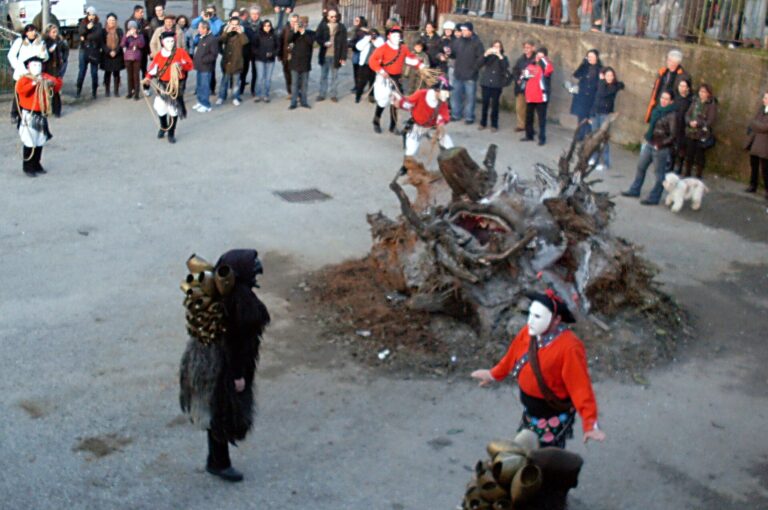
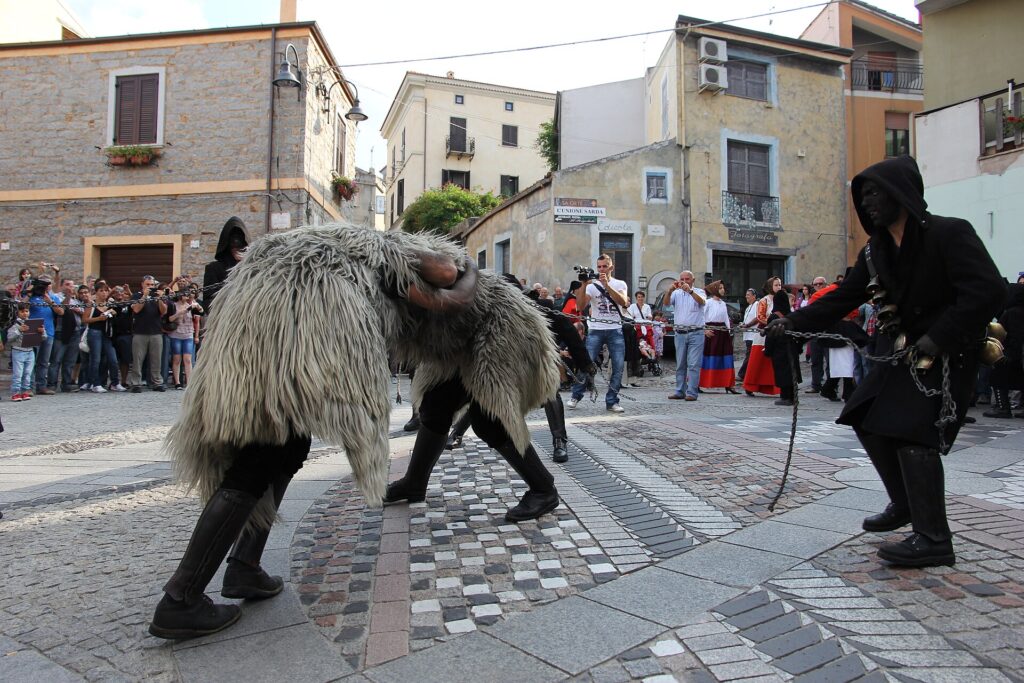
Fonni, with about 4,000 inhabitants, is the main town of the Barbagia di Ollolai and has deep roots in shepherding and seasonal flock migration. Its traditions are strong: the Carnival with the masks of s’Urthu (a wild, animal-like figure held on chains) and the Buttudos (his keepers), devotion to the Virgin of the Martyrs, and the Palio di Fonni horse race in early August. Nobel laureate Grazia Deledda set part of her novel Cenere (1903) here.
What to see in Fonni during the event
Houses and courtyards across the old centre open up, some still roofed with traditional wooden shingles called scandulas. Past editions have included a living nativity scene, dressing in Fonni’s traditional costume, parades of Urthos and Buttudos, polyphonic choirs, Sardinian folk dancing, exhibitions of crafts, knives and saddles, and a little tourist train touring the murals. The 2026 programme is released by the municipality and organisers shortly before the event.
Don’t miss:
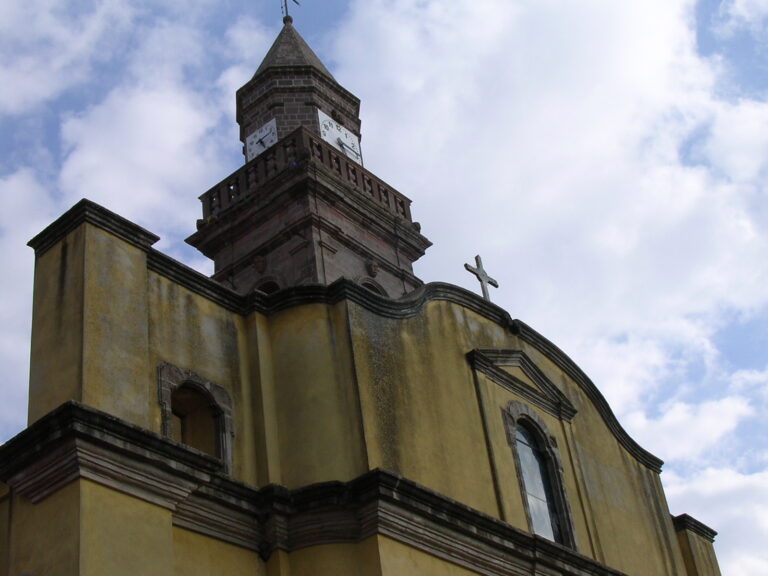
- the Basilica of the Vergine dei Martiri, built in the early 1700s, with frescoes, silver reliquaries and an underground sanctuary; its square is ringed by cumbessias, small houses once used by pilgrims;
- the Franciscan convent (1610) and its cloister, and the oratory of San Michele;
- the late-Gothic church of San Giovanni Battista;
- the Museum of Pastoral Culture, in a 19th-century manor house;
- the murals depicting crafts, daily life and Carnival.
What to eat in Fonni and what to take home
This is shepherd country, and the food shows it. Look out for:
- savoiardi di Fonni, soft sponge biscuits of eggs, sugar and flour served to guests with coffee – the village’s signature sweet;
- Fonni sausage and other mountain cured meats;
- pecorino sheep’s cheese and ricotta;
- pane carasau, the crisp, paper-thin shepherds’ flatbread;
- roasted chestnuts and red wine, ideal against the December chill.
To take home: a bag of savoiardi, an aged pecorino, a handmade Sardinian knife or a wooden craft piece. Bring cash for small producers.
Things to do around Fonni: Gennargentu, nuraghi and giants’ tombs
Fonni is the gateway to the Gennargentu, Sardinia’s highest mountains. Above the village rise Bruncu Spina and Monte Spada, both over 1,800 m, with ski lifts (not always running) and hiking trails. Snow is possible as early as December.
For archaeology lovers:
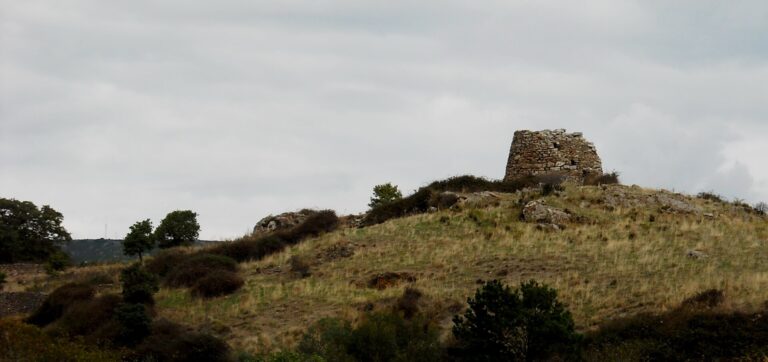
- the Nuragic complex of Gremanu, towards Pratobello, with temples, around a hundred huts and a water-channelling system, used between the 15th and 9th centuries BC;
- the Madau necropolis, with four “giants’ tombs” (Bronze Age collective graves) with bull-head-shaped façades;
- Nuraghe Dronnoro, a central tower flanked by two smaller ones.
Nearby you can also visit Mamoiada, home of the Mamuthones masks, Orgosolo and its famous murals, and Gavoi by Lake Gusana.
How to get to Fonni and practical tips
- From Nuoro: about 35–40 minutes by car.
- From Olbia (airport and ferry port): about 1 hour 45 minutes via the SS131 DCN and Nuoro.
- From Alghero airport: about 2 hours.
- From Cagliari (airport and port): about 2 hours 15 minutes.
You will need a car. In December at 1,000 m it is properly cold: dress in layers, bring gloves and a hat and, if snow is forecast, snow chains or winter tyres. The holiday weekend is one of the busiest of the season, so arrive in the morning and book accommodation well ahead, in Fonni or nearby villages. Carry cash and wear shoes with good grip for the stone streets.
FAQ: Cortes Apertas in Fonni
When is Autunno in Barbagia in Fonni in 2026?
From Sunday 6 to Tuesday 8 December 2026, over the Immaculate Conception holiday (8 December is a public holiday in Italy).
Why is Fonni called Sardinia’s highest village?
Its centre sits at about 1,000 m above sea level on the northern slopes of the Gennargentu – higher than any other town in Sardinia.
Who are Urthos and Buttudos?
They are Fonni’s Carnival masks: s’Urthu is a wild figure covered in animal skins, restrained by the Buttudos with ropes and chains. In past Cortes Apertas editions they have often paraded through the village.
Will there be snow in Fonni in December?
Possibly, especially on Bruncu Spina and Monte Spada, but it is never guaranteed. Check the forecast and equip your car before setting off.
Source: www.portalesardegna.com