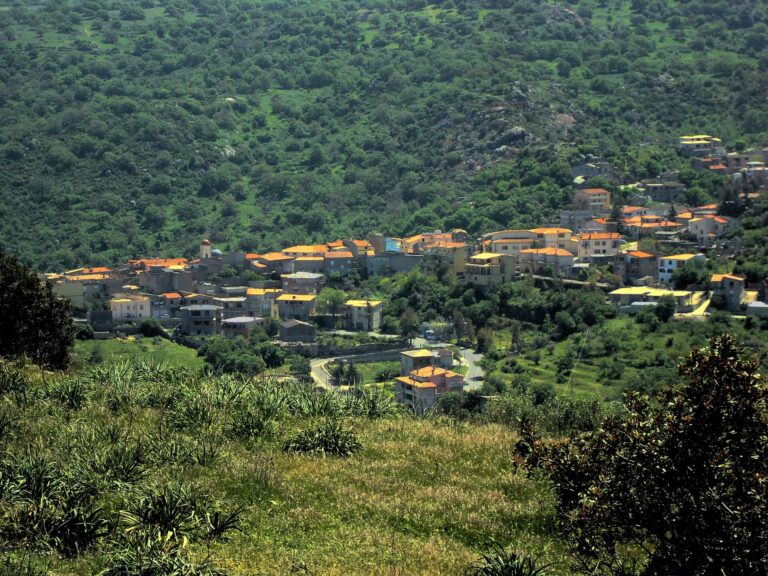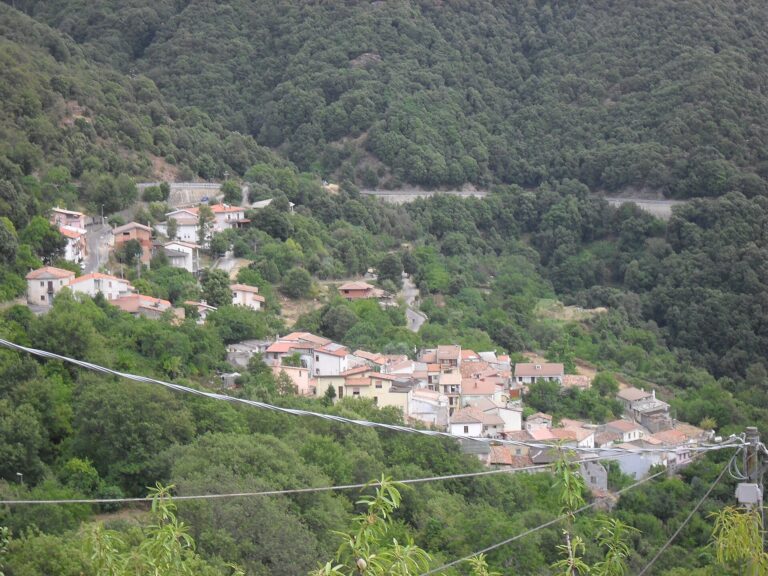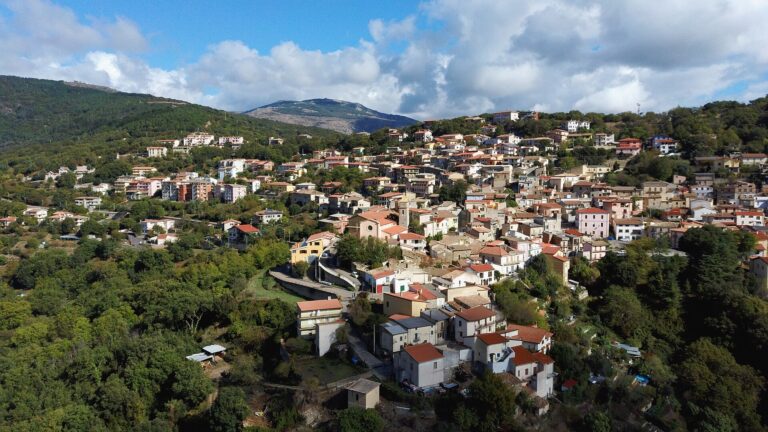
Autunno in Barbagia in Gadoni 2026: Cortes Apertas
Price on request Discover
Paper-thin white pastry that shatters at the first bite, wrapped around a dark, fragrant filling of almonds, honey or grape must syrup, citrus peel and saffron. Tiliccas change name from village to village in Sardinia (tilicas, tiriccas, tilicche, and caschettas in the Barbagia of Belvì), but everyone knows them by their shape: horseshoes, hearts, half-moons and spirals, all shaped by hand.
Tiliccas come from central and northern Sardinia and are now made all over the island. Sardegna Turismo lists them among the autumn sweets, the season of almonds and of sapa, the slow-cooked grape must. Their calendar runs longer, though: in Dorgali and Mamoiada they belong to the bonfires of Saint Anthony the Abbot in mid-January, while in parts of Logudoro and Gallura they are mainly an Easter treat. The Sardinian Region’s official record describes a very old tradition tied to the rites for Saint Anthony, and notes that these pastries were once given to families in mourning: a sweet made to be shared.
The shell is pasta violada, a dough of flour or durum wheat semolina, water and lard, rolled out extremely thin. The filling depends on the area. In the centre-north it is often made with sapa (grape must syrup, or in some places prickly pear syrup), toasted almonds, orange zest and a little semolina. The caschettas of Barbagia, made famous by Belvì, use honey, sugar, lemon peel and saffron, cooked together before the almonds go in, which gives the inside its straw-yellow colour. The filling is rolled into thin sticks, wrapped in strips of dough cut with a fluted wheel and closed into shapes, then baked briefly at a moderate heat so the pastry stays pale.
Tiliccas have no PDO or PGI, but they are listed among Sardinia’s Traditional Agri-food Products (PAT), under the name caschettas with tiliccas as a synonym: pastry shells filled with honey, saffron and almonds, around 16-17 grams each, made entirely by hand. The production area is the whole region, with particular reference to Barbagia.
Eat them as they are, after a meal or with coffee, alongside other festive sweets such as papassinos and amaretti. A Sardinian dessert wine (Malvasia, Moscato or Nasco) or a small glass of mirto is the natural match. Kept in a tin away from moisture, they last for several days.
Head for the heart of the island: Belvì is proud of its caschettas, and in Mamoiada and Dorgali tiliccas are part of the Saint Anthony bonfire celebrations in mid-January. Year-round, look for them in artisan bakeries in the Nuoro area, Logudoro and Gallura, with the widest choice in autumn, at Christmas and at Easter. Some traditional pastry workshops and local associations run demonstrations where you can try shaping them yourself.
They belong to the same family and share a single entry in the regional list. In everyday use, caschettas usually means the honey and saffron version from Belvì and Barbagia, while tiliccas often refers to the centre-north versions, including those made with sapa.
Fresh grape must cooked slowly into a thick, dark, sweet-and-sour syrup, made in autumn after the harvest and used in many Sardinian sweets.
No. The pastry contains wheat and, traditionally, lard, and the filling contains almonds. Always check labels on shop-bought tiliccas.
Do you run activities in Sardinia?
Get your own page on Ajò Sardegna: free until 31 May 2027, no commissions, with customer requests coming straight to you. If you like, we prepare the page for you.
Hi!
Can I help you?
Lia is an AI-based virtual assistant and can make mistakes: always check with the operator. Please don't share personal data. Privacy