Things to do in Dorgali
Things to do in Dorgali and Cala Gonone, Sardinia: Cala Luna, Gorropu Gorge, Tiscali, Bue Marino caves, beaches, boat trips and hiking.
We are gathering the first experiences for this area. Check back soon, or tell us about an operator you know.
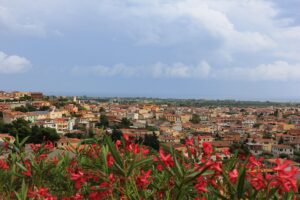
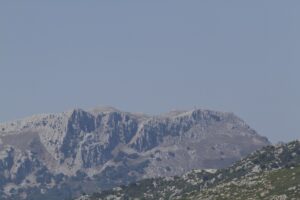
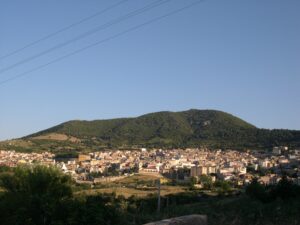
Dorgali is where the Supramonte mountains meet the sea. From the town, at the foot of Mount Bardia, a road and tunnel lead down to Cala Gonone, its seaside village and the gateway to the most famous coves of the Gulf of Orosei, such as Cala Luna. Behind it lie some of Sardinia's most spectacular canyons, caves and nuragic villages: the hidden village of Tiscali and the Gorropu Gorge. It's perfect for adventure lovers, hikers and fans of wild coastline, but also for families, who find easy beaches and boat trips for everyone in Cala Gonone.
What to see in Dorgali
The town
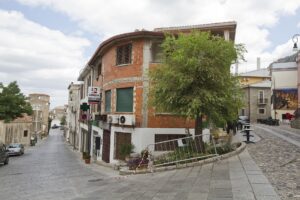
Dorgali's centre, with its dark stone houses and sloping streets, has a lively, artisan soul: along the main street you'll find workshops selling rugs, filigree jewellery, ceramics and knives. The 18th-century parish church of Santa Caterina d'Alessandria dominates the Sa Serra quarter. Don't miss the Archaeological Museum, with finds from local sites, and the museum dedicated to local artist Salvatore Fancello.
Tiscali
In the heart of the Supramonte, between Dorgali and Oliena, Mount Tiscali hides a huge sinkhole with a partly collapsed roof, inside which lie the remains of a nuragic village inhabited until Roman times. You can only get there on foot, on a hike of a few hours from the Lanaitto valley – and the light filtering between the rock walls makes it unforgettable.
Gorropu Gorge
Carved by the Flumineddu river, the Gorropu canyon is considered the deepest in Italy: its walls rise over 500 metres and at its narrowest it is just 4 metres wide. From the Dorgali side you enter from the S'Abba Arva bridge on a trail of about 7 km; from the Genna Silana pass, on the Orientale Sarda road, the route is shorter but steep. Among the rocks grows the aquilegia nuragica, a flower found nowhere else.
Serra Orrios and other nuragic sites
The nuragic village of Serra Orrios, on a plateau among wild olive trees, preserves dozens of stone huts and two small temples. Nearby is the giants' tomb of S'Ena 'e Thomes, with its tall central stele. Above Cala Gonone, the Nuraghe Mannu – a Bronze Age stone tower – offers a superb view of the gulf and remains from Punic, Roman and Byzantine times.
Ispinigoli and Bue Marino caves
The Ispinigoli Cave, near town, holds a column formed by a stalactite and stalagmite joined together, about 38 metres high and thought to be among the tallest in Europe. On the coast, the Bue Marino Caves are visited by boat from Cala Gonone: they're named after the monk seal, the "sea ox" that once sheltered here, and preserve ancient rock carvings.
Things to do in Dorgali
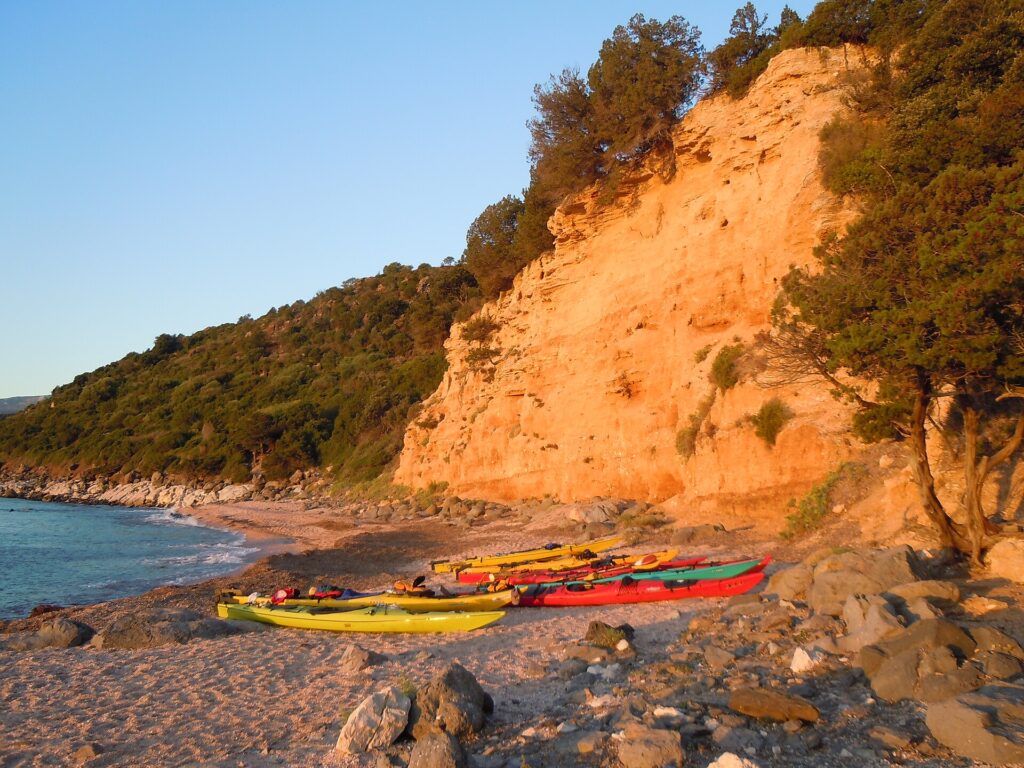
The sea at Cala Gonone is best enjoyed by boat: tours and dinghy rentals take you along the gulf to Cala Luna, the Bue Marino Caves and, further south in Baunei's territory, Cala Sisine, Cala Mariolu and Cala Goloritzé. The crystal-clear water is ideal for snorkelling and diving, and a kayak lets you explore caves and inlets in silence.
On land, Dorgali is one of Sardinia's great hiking destinations: Tiscali, Gorropu and the coastal trail from Cala Fuili to Cala Luna are unmissable, ideally with a guide who knows the Supramonte. The limestone cliffs draw climbers from all over Europe, and the dirt roads inland are perfect for mountain biking and off-road tours. For a slower pace, visit Cannonau wineries, the caves and the town's craft workshops.
Whether you dream of a day in a dinghy among the coves, a guided hike to Gorropu or a visit to Tiscali, just below you'll find the experiences offered by operators in Dorgali and Cala Gonone: choose and book.
Beaches of Dorgali and Cala Gonone
Cala Luna
On the border with Baunei, at the mouth of the Codula di Luna valley, it's one of Sardinia's most famous beaches: pale sand, large caves in the cliff and a small lagoon ringed by oleanders. Lina Wertmüller's film Swept Away was shot here. Reach it by boat from Cala Gonone or on foot along a coastal trail of about an hour and a half from Cala Fuili.
Cala Fuili
A cove of pebbles and sand at the end of a narrow valley, a few kilometres from Cala Gonone. It's about ten minutes' walk down; the water is clear and perfect for snorkelling.
Cala Cartoe
North of Cala Gonone and reachable by car, a wide beach of pale sand backed by pine woods and maquis.
Cala Gonone beaches
- Palmasera: the village's longest beach, sand and pebbles, easy and with facilities.
- Sos Dorroles: a small beach at the foot of the cliffs below the centre.
History
Dorgali's territory was densely settled in the Nuragic age, as Serra Orrios, Tiscali and many nuraghi and giants' tombs show; even older are the domus de janas (rock-cut tombs), menhirs and dolmens. In Roman times there were settlements here that left archaeological traces, and on the coast the town of Thurcali, below Nuraghe Mannu, was abandoned around the 10th century after Saracen raids, when people withdrew inland.
In the Middle Ages the area belonged to the Giudicato (medieval kingdom) of Gallura, and monks of several orders settled here. Aragonese rule followed from 1324, then Spanish and, from the 18th century, Savoy rule. In 1860 a road with a tunnel linked the town to Cala Gonone, which later grew with fishermen from Ponza. Since the 1950s tourism has driven the economy, alongside crafts and winemaking.
What to eat and buy
Dorgali's food is that of the Barbagia: carasau flatbread and pane frattau, roast suckling pig and lamb, sheep's and goat's cheeses, olive oil and sweets made with almonds and honey. The signature wine is Cannonau, grown on the hills around town, and in Cala Gonone fresh fish is never far away. Dorgali is one of the island's liveliest craft centres: hand-woven rugs, gold and silver filigree jewellery, ceramics, leather goods, wrought iron and traditional folding knives.
Festivals and traditions
In late July the town celebrates San Pantaleo, and in September the feast of the Madonna del Rosario, with processions, traditional dress and music. Holy Week rites are deeply felt too, starting with the blessing of the palms. At festivals you can hear canto a tenore – Sardinia's ancient four-voice singing – and see the town's rich traditional costumes.
Nearby
- Orosei: an old town, churches and long beaches, about 25 minutes' drive.
- Oliena and the Su Gologone spring: Sardinia's most important karst spring, at the foot of the Supramonte, about 20 minutes away.
- Nuoro: Grazia Deledda's home town and the Costume Museum, about 30 minutes away.
- Orgosolo: the village of murals, about 45 minutes away.
Getting there and when to go
The nearest airport is Olbia Costa Smeralda, about an hour and a half's drive; Olbia is also the main ferry port, with Arbatax further south. Dorgali lies on the SS125 Orientale Sarda road, about half an hour from Nuoro. For the sea, the best time is June to September, but May and October are ideal for combining swimming and hiking. Gorropu and Tiscali are best done in spring and autumn, avoiding summer's hottest hours; after heavy rain the canyon can be impassable.
FAQ
How many days do you need for Dorgali?
At least four: one for a boat tour of the gulf, one for Cala Luna, one for Gorropu or Tiscali and one for the town, the caves and Serra Orrios.
How do you get to Cala Luna from Cala Gonone?
By boat, on tours or with a rented dinghy from the harbour, or on foot along the coastal trail from Cala Fuili, about an hour and a half each way.
Is the Gorropu Gorge difficult?
The approach needs good fitness and hiking boots, and inside the canyon you scramble over large boulders. With an experienced guide the hike is safer and you'll discover the best stretches.
Is Dorgali good for families?
Yes: Cala Gonone has easy beaches, an aquarium and child-friendly boat trips, and Ispinigoli Cave is an easy, fascinating visit.