Brilliant white sand, water that shifts from turquoise to cobalt blue and the silhouette of Tavolara on the horizon: ask what to see in San Teodoro and the answer leads straight to the sea, because this is home to some of the most photographed beaches in Sardinia. But the Gallura town also has a lagoon full of flamingos, walking trails, small museums and one of the liveliest evening scenes on the island.
In this guide you’ll find the 12 unmissable highlights of San Teodoro, the beaches one by one with tips on how to get there, the experiences to enjoy, a little history, the local dishes, the festivals and all the practical information: how to get here, where to park, when to go and how many days to stay.
Contents
Come to San Teodoro for a day, and you’ll be back all summer.
A saying among the lifeguards of La Cinta
Why visit San Teodoro
San Teodoro lies on the north-east coast of Sardinia, in Gallura, about 25 km south of Olbia. It’s a town of around 5,000 residents that swells considerably in summer: its position, between the Costa Smeralda and the Baronia, makes it a very convenient base for exploring the whole east coast.
The municipal territory includes part of the Tavolara – Punta Coda Cavallo Marine Protected Area, one of the loveliest stretches of water in the Mediterranean. Beaches such as La Cinta, Cala Brandinchi and Lu Impostu have colours that recall the Caribbean, so much so that Brandinchi is nicknamed “little Tahiti”.
San Teodoro appeals to families thanks to its shallow, sandy seabed, to younger visitors for its summer nightlife, and to nature lovers for the lagoon, the trails and the diving. If you’re wondering what to see in San Teodoro, be ready to split your days between beach, sea and village.
What to see in San Teodoro: the 12 unmissable highlights
1. La Cinta beach
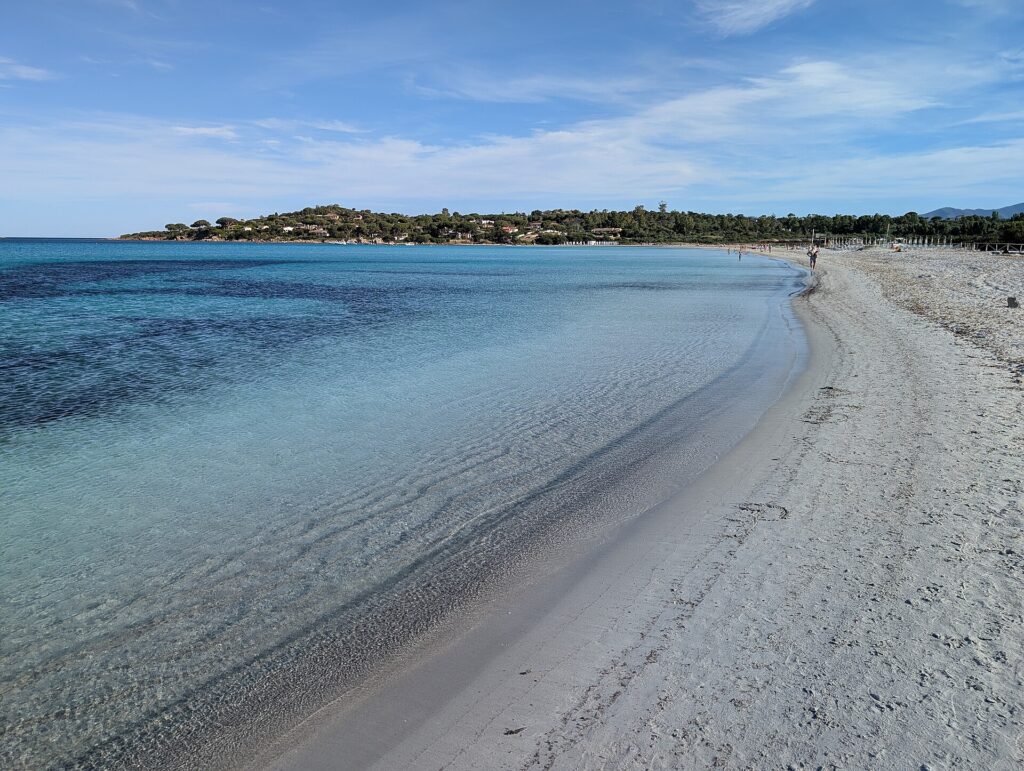
A strip of white sand about 5 km long separates the sea from the San Teodoro lagoon. The water stays shallow for dozens of metres, which makes it perfect for children. The stretch nearest the town has facilities, while further south you’ll find quiet, free-access sections. Early in the morning, the light on the sand is unforgettable.
2. The San Teodoro lagoon and its flamingos
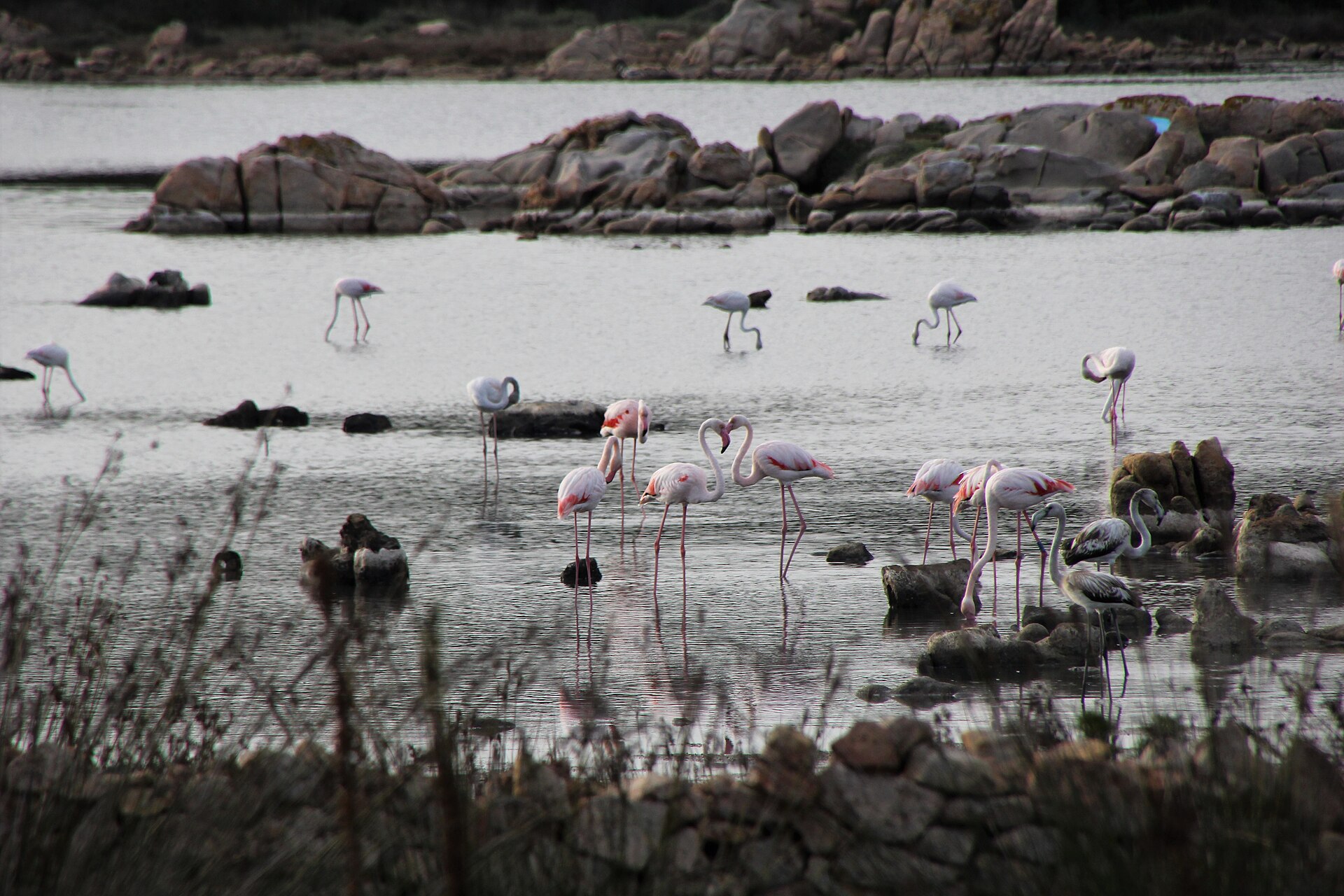
Behind La Cinta lies a protected brackish lagoon, home to pink flamingos, herons, black-winged stilts and little egrets. A path runs alongside the lagoon: bring binoculars and walk at dawn or dusk, when the birds are most active.
3. Cala Brandinchi
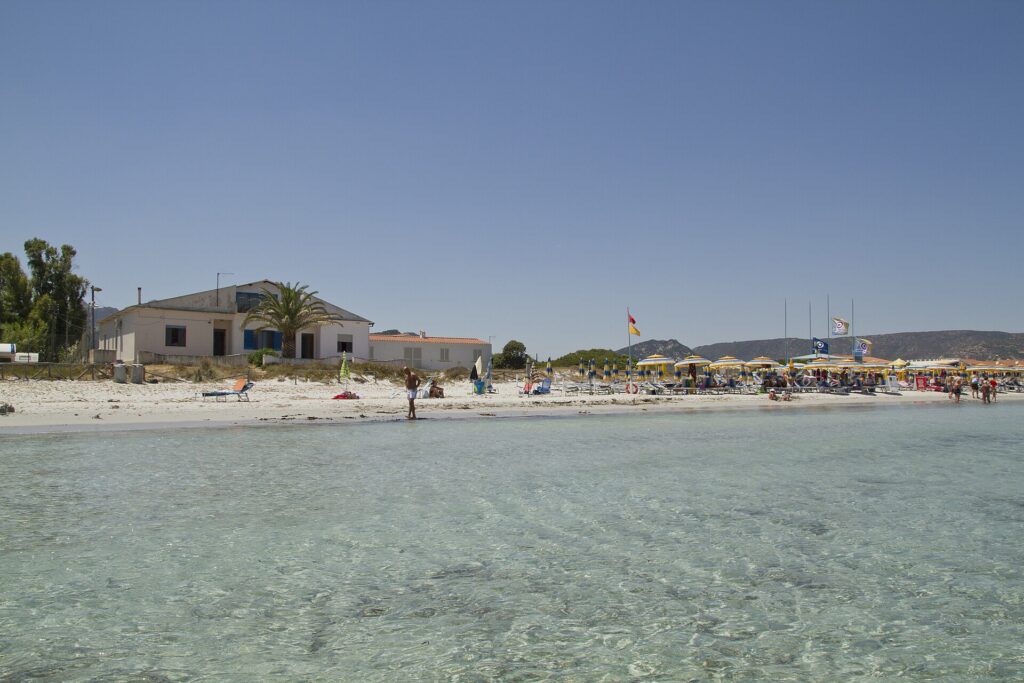
Powder-fine sand, a pine wood behind the beach and water of an almost unreal turquoise: this is the beach that made San Teodoro famous. It lies north of the town, towards Capo Coda Cavallo. In summer the car park is paid and fills up quickly, so aim to arrive by nine o’clock.
4. Lu Impostu
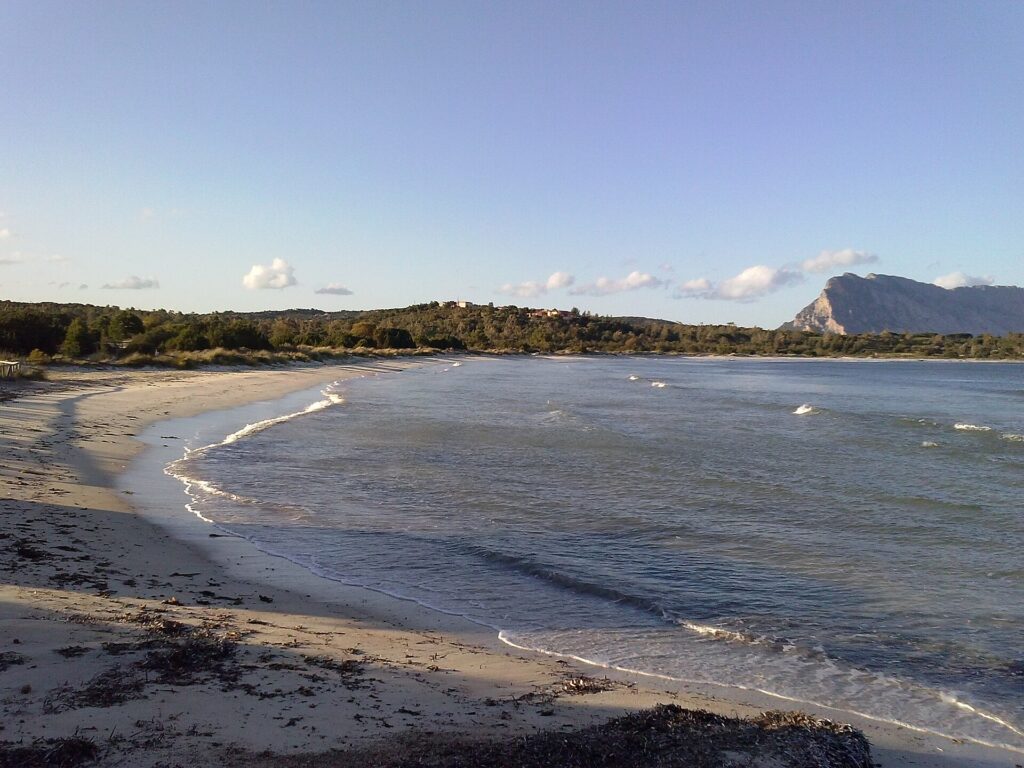
Next to Brandinchi, separated by a headland, Lu Impostu opens out: a long crescent of sand with a lagoon behind it and views of Tavolara. It’s a little less crowded than its neighbour and has wilder stretches.
5. Capo Coda Cavallo
This granite headland closes off the northern end of San Teodoro’s territory. From the viewpoint you can see the island of Molara, Tavolara and little Proratora. Below, coves such as Salina Bamba and the beach at Capo Coda Cavallo offer perfect water for snorkelling.
6. Tavolara island seen from the sea
It isn’t within San Teodoro’s territory, but it is the symbol of its coastline: a limestone block rising more than 560 metres that seems to emerge from nowhere. Boat trips leave from nearby harbours and circle the island, with stops for a swim in the natural pools.
7. The town centre
The village is small and compact. In the evening the square and the pedestrian streets fill with bars, ice-cream parlours, craft shops and market stalls. This is where San Teodoro’s nightlife is concentrated, one of the liveliest in Gallura.
8. The church of San Teodoro
In the heart of the town stands the church dedicated to the patron saint, a landmark for the community and for religious festivals. Alongside it, small granite lanes recall the village’s pastoral origins.
9. The Museo delle Civiltà del Mare
A small museum tells the maritime history of the area, with finds recovered from the seabed, amphorae and objects from ancient seafaring. It’s a good stop on windy days or for curious children.
10. Puntaldia and the marina
North of La Cinta, Puntaldia is a residential area with a marina, a golf course and a small sheltered beach. It’s the starting point for many boat trips and RIB tours to Tavolara and Molara.
11. The southern beaches: Isuledda and Cala d’Ambra
Towards Budoni you’ll find smaller, more family-friendly bays. Cala d’Ambra is a stone’s throw from the town, convenient and well equipped; Isuledda, with a small islet linked to the shore, is perfect if you’re after calm water and fewer people.
12. Monte Nieddu and the hinterland
Behind the coast, granite hills and the Monte Nieddu massif offer trails, seasonal waterfalls and holm oak woods. Few tourists venture this far: it’s the other face of San Teodoro, quiet and wild.
The gravel tracks climbing up from the coast pass through cork oak woods, scrub of strawberry tree and mastic, and old granite stazzi (traditional Gallura farmsteads), some of them still lived in. In spring the streams fill with water and form small pools and cascades among the rocks. If you want to explore this area, set off early, carry plenty of water and download the trail maps before you go: phone signal isn’t always reliable.
The best beaches in San Teodoro
Here’s a quick summary to help you choose the right beach according to the wind and who you’re travelling with.
- La Cinta: very long, shallow water, ideal for families and for sports such as kitesurfing and windsurfing in the southern part.
- Cala Brandinchi: the most famous, with turquoise water and a pine wood; arrive early.
- Lu Impostu: wide and scenic, with views of Tavolara.
- Salina Bamba: between the lagoon and the sea, peaceful and natural.
- Cala d’Ambra: very close to the town, easy to reach without a car.
- Isuledda: a sheltered bay, excellent when the maestrale (north-westerly mistral) is blowing.
When the maestrale blows, the most sheltered beaches are those facing south-east, such as Cala d’Ambra; with the scirocco (south-easterly wind), Brandinchi and Lu Impostu are better. For the full picture, read our guide to boat trips in Sardinia, many of which take in this very stretch of coast.
Rules and tips for San Teodoro’s beaches
San Teodoro’s beaches are fragile and partly protected, so there are a few simple rules worth knowing before you set off.
- Don’t take away sand, shells or pebbles: it’s banned under Sardinian regional law and the fines are steep, airports included.
- Leave the Posidonia where you find it: the little “balls” and piles of leaves on the shore protect the beach from erosion and are a sign of a healthy sea.
- Respect the dunes: use the boardwalks and don’t cut through the vegetation behind La Cinta and Brandinchi.
- In the Marine Protected Area, anchoring, fishing and sailing are regulated by zone: if you hire a boat, find out where you’re allowed to stop.
- Take your rubbish with you and use reusable containers for water and food: many beaches have no bins precisely so as not to attract animals.
One more small tip: in high summer bring a parasol or a shade tent, because natural shade is scarce, except in the pine wood at Brandinchi. And always check the wind direction before choosing a beach: switching bays a few kilometres along can transform your day.
San Teodoro out of season
From October to April, San Teodoro takes on a different character. The beaches are almost deserted and perfect for long walks, the lagoon fills with migratory birds and the winter light makes Tavolara even more dramatic. Many bars and clubs close, but restaurants, agriturismi (farm stays) and essential services stay open all year round.
It’s the ideal time for trekking in the hinterland, for mountain biking on the gravel tracks between the stazzi and for discovering the most authentic Gallura cooking, the kind served at village festivals. If you’re looking for ideas for the cooler months, read our guide to what to do in Sardinia in November.
Things to do in San Teodoro: experiences to enjoy
Once you’ve decided what to see in San Teodoro, it’s worth picking a few experiences to get to know the area up close.
- Boat trips to Tavolara and Molara: half-day or full-day outings with stops in the natural pools.
- Snorkelling and diving in the Marine Protected Area: Posidonia meadows, groupers, white seabream and, on lucky days, dolphins.
- Kitesurfing and windsurfing: La Cinta is a well-known spot, with schools and equipment hire in summer.
- Kayaking and SUP along the coast between Lu Impostu and Capo Coda Cavallo.
- Trekking and mountain biking in the hills of the hinterland.
- Birdwatching at the lagoon, especially in spring and autumn.
Experiences run by local operators, with direct contact and no commission, are gathered on our page of things to do in San Teodoro. If you’d like to mix beach days with trails, take a look at our guide to trekking in Sardinia too.
A brief history of San Teodoro
The area was already inhabited in the Nuragic and Roman periods: the road linking Olbia to the south of the island ran along the coast, and wrecks of ancient ships have been found in the surrounding waters. For centuries the area was sparsely populated, because of malaria and raids from the sea.
The modern town dates from the 19th century, when it began as a settlement of Gallura shepherds and farmers, tied to the stazzi, the typical rural homesteads of Gallura. Until 1959 it was part of the municipality of Posada; it then became independent and, from the 1970s, tourism turned it into one of Sardinia’s best-known seaside resorts.
What to eat in San Teodoro
The cooking combines the sea with the land of Gallura. Dishes to try:
- fish and shellfish from the coast, grilled or in a soup;
- zuppa gallurese (suppa cuata), a baked dish of stale bread, cheese and broth;
- culurgiones (stuffed pasta parcels) and ricotta ravioli;
- roast porceddu (suckling pig) on festive evenings;
- Vermentino di Gallura DOCG, the island’s most famous white wine.
You’ll find restaurants, pizzerias and agriturismi on our page on where to eat in San Teodoro. To discover the local wineries, read our guide to Vermentino di Gallura.
Festivals and events in San Teodoro
- Estate teodorina: from June to September, concerts, evenings in the square and markets almost every night.
- Country festivals: in spring and summer the country churches host festivals with processions, Sardinian dancing and communal lunches.
- Festa di San Teodoro: the patron saint’s festival, with religious ceremonies and moments of popular celebration.
- New Year: even in winter the town organises events in the square.
San Teodoro in 1, 2 or 3 days
In one day: an early morning at Cala Brandinchi, a light lunch, an afternoon at La Cinta and an evening stroll through the town.
If you’re travelling with young children, reverse the order: La Cinta in the morning, when the water is calmer and the sand isn’t scorching, and Brandinchi in the late afternoon, when the car parks empty and the light makes the water an even deeper turquoise. Always pack reef shoes for the rocky areas around Capo Coda Cavallo.
In two days: add a boat trip to Tavolara and Molara, or a morning’s snorkelling at Capo Coda Cavallo.
In three days: spend the third day at the lagoon, Lu Impostu and a drive through the hinterland. With a week you can also visit the La Maddalena Archipelago, the Costa Smeralda and Orosei.
Around San Teodoro
- Olbia (about 25 minutes): the old town, the basilica of San Simplicio and the seafront.
- Porto San Paolo (about 15 minutes): boats leave from here for Tavolara.
- Budoni and Posada (15-25 minutes): long beaches and the medieval village with the Castello della Fava.
- Costa Smeralda (about 50 minutes): Porto Cervo and the beaches of Arzachena.
Practical information: getting here, parking, when to go
How to get to San Teodoro
Olbia Costa Smeralda airport is about 25 km away: by car it takes around twenty minutes along the SS 125 or the SS 131 DCN. Olbia’s port, with ferries from Genoa, Livorno, Civitavecchia and Piombino, is the same distance. In summer there are bus connections from the airport and the port.
Getting around and parking
You’ll need a car or a scooter to reach the beaches. Cala Brandinchi, Lu Impostu and La Cinta have paid car parks in high season: arrive early and bring cash or the payment app. In the evening, some streets in the town are pedestrianised.
Where to stay
Staying in the town means bars and restaurants on foot and La Cinta a few minutes away. Puntaldia and the areas towards Capo Coda Cavallo are quieter and closer to Brandinchi. If you’re after peace and quiet, you could choose an agriturismo in the hinterland, among the stazzi and hills.
When to go
The best period runs from May to October. June and September combine warm sea, less crowded beaches and lower prices. July and August are the months for nightlife. In winter the town is quiet, perfect for walking and watching birds at the lagoon.
For official information, see the website of the Comune di San Teodoro (the town council) and that of the Tavolara – Punta Coda Cavallo Marine Protected Area.
Frequently asked questions about what to see in San Teodoro
What is the most beautiful beach in San Teodoro?
Cala Brandinchi is the most famous for the colours of its water; La Cinta is the longest and best for families; Lu Impostu is the most scenic, with Tavolara as a backdrop.
Is San Teodoro suitable for children?
Yes: almost all the beaches have shallow water and a sandy bottom, and the town has playgrounds and pleasant walks. You’ll find more ideas in our guide to Sardinia with children.
Do you need a car in San Teodoro?
To get around the beaches, yes, or else a scooter. The town centre and La Cinta, however, can also be reached on foot or by bike.
How many days do you need to visit San Teodoro?
At least three days for the main beaches and a boat trip. With a week you can use it as a base for the whole north-east coast.
San Teodoro, best enjoyed with those who live it
Now you know what to see in San Teodoro: La Cinta and its flamingos, Cala Brandinchi, Lu Impostu, Capo Coda Cavallo and a sea that stays with you long after you’ve left. Whether you come for a week of sunshine in August or a quiet spring weekend, you’ll always find a bay, a trail or a sunset to remember. To make the most of it, rely on people who really know the place: choose an experience from those offered by local operators and contact them directly. Ajò, Sardinia is waiting for you.
