Autunno in Barbagia in Nuoro 2026: Cortes Apertas
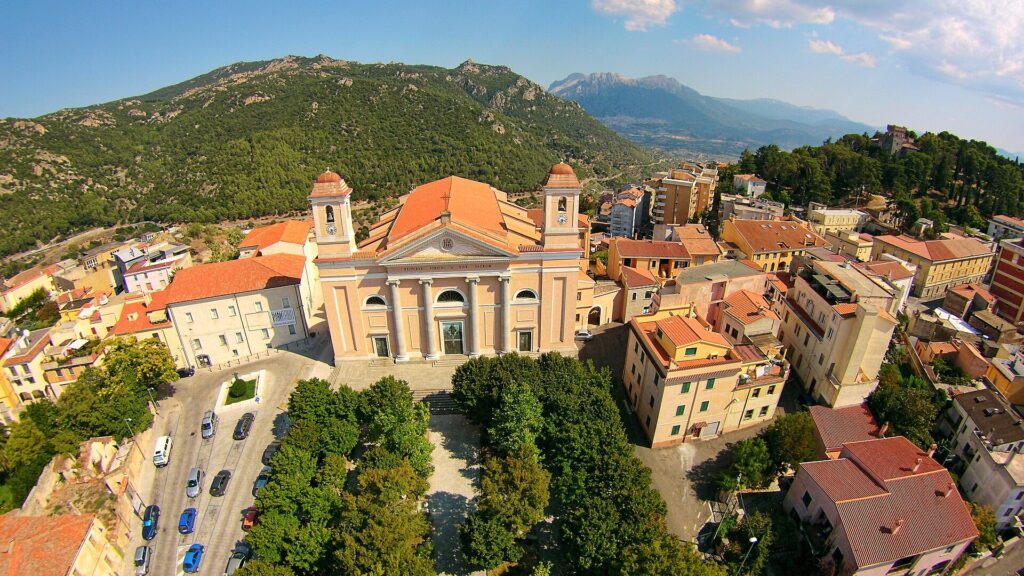
On Saturday 14 and Sunday 15 November 2026, Nuoro hosts its weekend of Autunno in Barbagia (“Autumn in Barbagia”), which here goes by the name Mastros in Nùgoro. For two days the historic quarters of San Pietro (Santu Predu in Sardinian) and Seuna fill with open craft workshops, courtyards, local food, music and culture, in the hometown of Nobel Prize-winning writer Grazia Deledda, at the foot of Monte Ortobene.
History and meaning of Mastros in Nùgoro
In Sardinian, mastros means “masters” – the skilled craftspeople who work iron, wood, gold, clay and cloth – and Nùgoro is Nuoro’s Sardinian name. So the title says it all: a celebration of the city’s crafts, held in the neighbourhoods where they were handed down for generations.
San Pietro and Seuna are Nuoro’s oldest quarters. Seuna, considered the original core of the town, was traditionally home to farming families; Santu Predu is where Grazia Deledda was born. She remains the only Italian woman to have won the Nobel Prize in Literature, awarded for 1926 – so 2026 marks its centenary, a great reason to walk the streets she wrote about.
Nuoro has long been called the “Sardinian Athens” for the number of writers and artists born here: besides Deledda, the poet Sebastiano Satta, the novelist Salvatore Satta, author of The Day of Judgment, and the sculptor Francesco Ciusa. Mastros in Nùgoro builds on this heritage, mixing crafts with music, literature and museums.
What to see and do at Mastros in Nùgoro
The old centre, with its small squares, low houses and courtyards, becomes a trail of open workshops and exhibition spaces. Based on recent editions, expect:
- Craftspeople at work: goldsmiths, potters, blacksmiths and weavers demonstrating their techniques, with many pieces for sale directly from the maker.
- Street food and traditional dishes cooked and served in the squares, paired with local wines and craft beers.
- Music and song: Nuoro has a strong choral tradition and is a home of canto a tenore, the four-part male singing recognised by UNESCO; recent editions have held concerts in churches, streets and squares.
- Literary trails and open museums, with events dedicated to Grazia Deledda.
- Children’s workshops, exhibitions and guided tours.
The 2026 programme, with times and venues, is published by the Comune di Nuoro and the official Autunno in Barbagia channels in the days before.
Food to try in Nuoro and things to take home
Nuoro’s cooking is the cooking of the Barbagia: bread, cheese and meat. Try pane carasau, the paper-thin crispy flatbread, and pane guttiau (carasau with olive oil and salt), pecorino cheeses, seadas (large fried pastries filled with cheese and drizzled with honey) and the rare su filindeu (“threads of God”), an incredibly fine hand-stretched pasta that only a handful of women still know how to make, served in mutton broth with fresh cheese.
For something sweet, look for aranzada, a Nuoro speciality of candied orange peel with honey and almonds. The wine is Cannonau, which reaches some of its best expressions in nearby Oliena and Mamoiada.
To take home: a piece of Sardinian filigree jewellery, ceramics or a woven textile bought straight from the workshop, a pecorino, a box of aranzada and a bottle of Cannonau.
Things to see in and around Nuoro
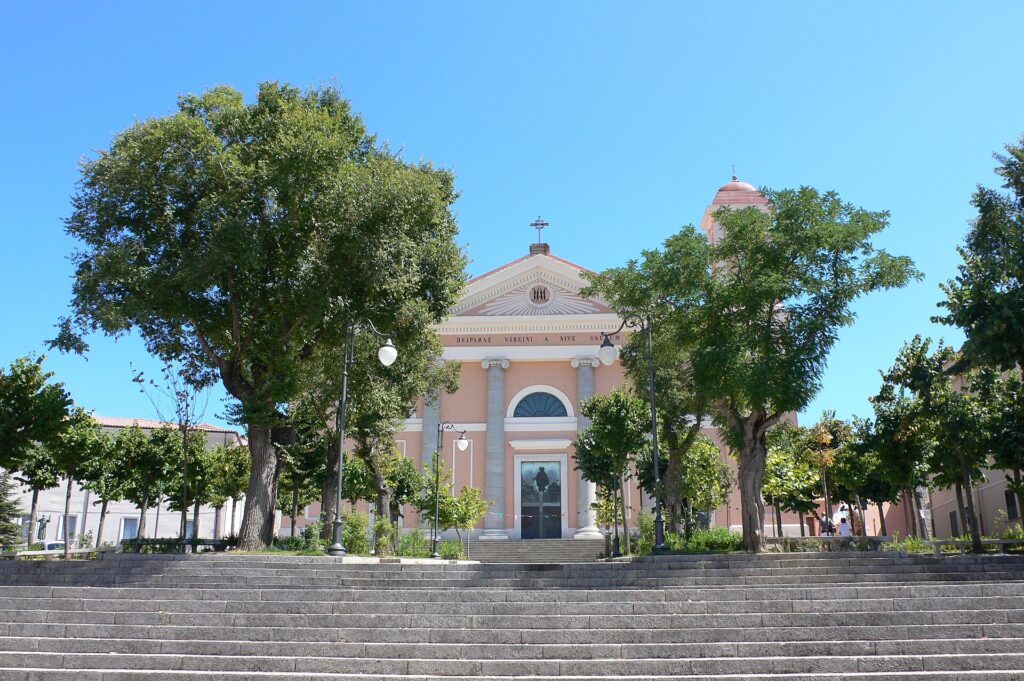
In Santu Predu, visit the Museo Deleddiano, the writer’s birthplace. Nearby are the cathedral of Santa Maria della Neve, Piazza Sebastiano Satta, redesigned by the sculptor Costantino Nivola with granite boulders and small bronze figures, and the MAN contemporary art museum. On Sant’Onofrio hill, the Museo del Costume holds a large collection of Sardinian traditional dress, jewellery and objects; there is also a national archaeological museum.
At the start of the road up Monte Ortobene stands the Chiesa della Solitudine, where Deledda is buried. At the top of Monte Ortobene, among woods and granite boulders, the bronze statue of the Redentore (Christ the Redeemer) looks over the city, with views from the Gennargentu to the Gulf of Orosei. Every year in late August the Sagra del Redentore brings processions and costume groups from all over the island.
Nearby: Oliena and the Supramonte mountains, the Su Gologone spring, the murals of Orgosolo, the masks of Mamoiada and, towards the coast, Dorgali and the Gulf of Orosei.
How to get to Nuoro and practical tips
Nuoro is the easiest Autunno in Barbagia stop to reach. By car, from Olbia airport and ferry port it’s about 1 hour and 15 minutes on the dual carriageway; from Cagliari about 2 hours on the SS131; from Alghero about 1 hour 45 minutes. There are coach links with Olbia and Cagliari, but a car is best for exploring the surrounding area.
- What to wear: mid-November is cool and can be rainy; bring layers, a waterproof jacket and comfortable shoes for the sloping streets.
- Parking: parts of the old centre are closed to traffic during the event. Arrive early, park outside the centre and walk in.
- Cash: handy for tastings and small purchases, although cards are more widely accepted in town than in the villages.
- Where to stay: Nuoro has hotels, B&Bs and apartments, and makes a good base for the other November villages too.
FAQ: Mastros in Nùgoro 2026
When is Mastros in Nùgoro 2026?
On Saturday 14 and Sunday 15 November 2026, in the historic quarters of San Pietro (Santu Predu) and Seuna.
What does Mastros in Nùgoro mean?
In Sardinian it means “(craft) masters in Nuoro”. It’s the name of Nuoro’s Autunno in Barbagia weekend, dedicated to crafts, local food and the city’s culture.
Where is Grazia Deledda’s house in Nuoro?
In the Santu Predu quarter, one of the two neighbourhoods of the event. Today it is the Museo Deleddiano, devoted to her life and work.
What to see in Nuoro in one day?
The old quarters of Santu Predu and Seuna, the Museo Deleddiano, Piazza Satta, the Museo del Costume and, weather permitting, a drive up Monte Ortobene for the Redentore statue and the view.
Source: www.portalesardegna.com