Autunno in Barbagia in Ovodda 2026: Cortes Apertas
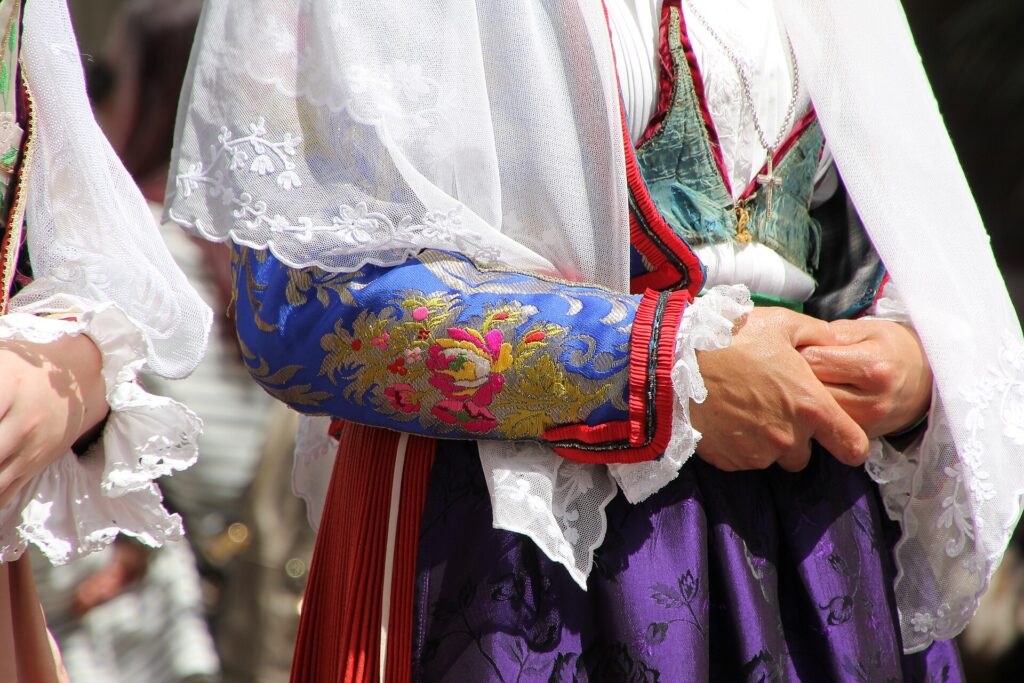
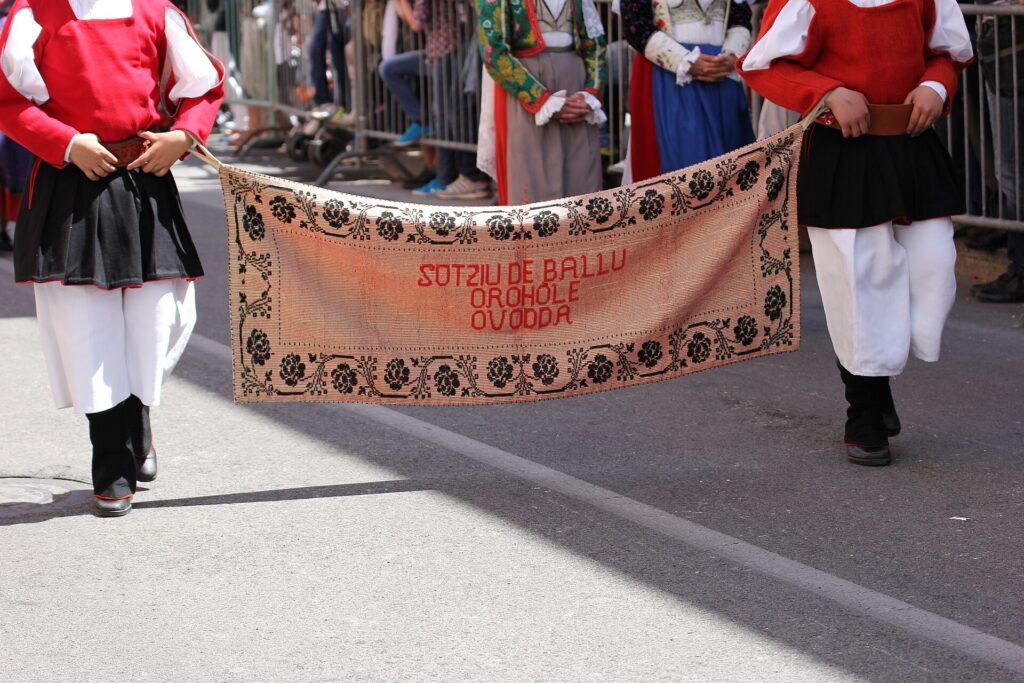
On Saturday 7 and Sunday 8 November 2026, Ovodda, a small village in the Barbagia di Ollolai at the foot of the Gennargentu mountains, opens its homes for its weekend of Autunno in Barbagia (“Autumn in Barbagia”), the festival also known as Cortes Apertas (“open courtyards”). Expect granite courtyards, shepherds’ produce, crafts, traditional dress and canto a tenore singing – a chance to see one of the most genuine villages of inland Sardinia.
History and traditions of Ovodda
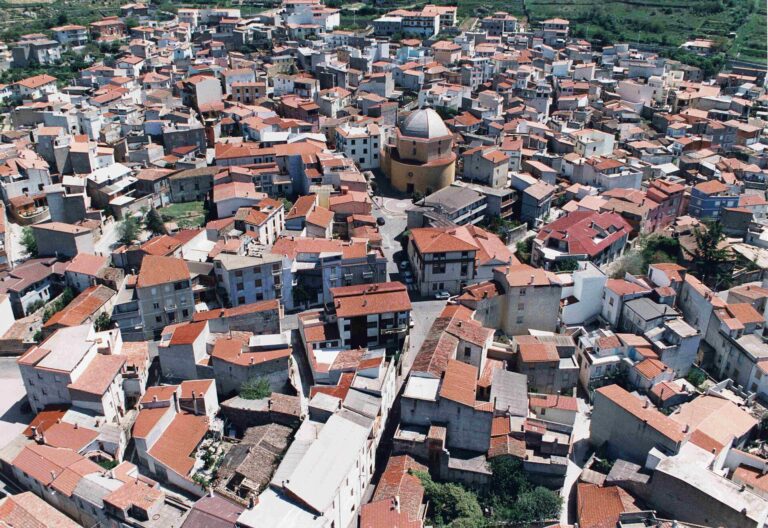
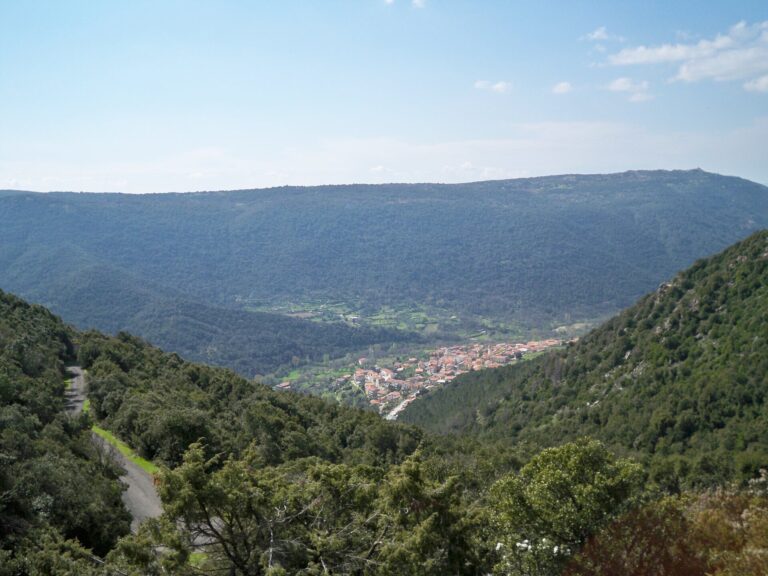
Ovodda has just under 1,500 inhabitants and sits below Monte Orohòle, on the western side of the Gennargentu. Its land runs from peaks above 1,200 metres down to the river valleys and has been inhabited since the Neolithic and the Nuragic age, Sardinia’s Bronze Age civilisation. In the Middle Ages it belonged to the Giudicato of Arborea, one of the island’s four medieval kingdoms, then passed to Aragonese and Spanish feudal lords until 1839. Another village, Oleri, once stood nearby; it was abandoned in the 15th century after a plague and its land was shared between Ovodda and Gavoi.
Ovodda lies in the Barbagia “Blue Zone”, one of the places in the world with the highest share of people living to 100 – a life of outdoor work, simple food and close community ties.
All over Sardinia, the village is known for a carnival unlike any other: Mehuris de Lessìa, held on Ash Wednesday, when Carnival elsewhere is already over. There are no proper masks: people blacken their faces with soot from burnt cork, dress in old clothes and animal skins, bang pots and bells and turn the village into a “world upside down” where nobody is just a spectator. At the centre is Don Conte, a large effigy paraded on a cart, put on trial and burned at sunset.
What to see and do at Cortes Apertas in Ovodda
In recent editions, Ovodda’s weekend has been called Ungrones de Bidda – “the corners of the village”. The paved lanes, decorated with murals, and the granite case a corte (houses built around a courtyard) fill with themed stalls and demonstrations. Based on recent years, expect:
- Pane carasau, cheese and sweets made in front of visitors, so you can follow every step.
- Traditional dress, including live demonstrations of how the costume is put on.
- Old trades such as horseshoeing, plus workshops for children and teenagers.
- Sa domo de su massaiu, a typical farmer’s house open to visitors.
- Roaming music and canto a tenore, the four-part male polyphonic singing of central Sardinia, listed by UNESCO as Intangible Cultural Heritage.
- Exhibitions of old photographs, clothing and village life, and in some years a guided walk in the countryside.
The 2026 programme and times are published by the Comune di Ovodda and the official Autunno in Barbagia channels.
Food to try and things to take home
Ovodda’s food is shepherds’ food. Everything starts with pane carasau, the paper-thin crispy flatbread shepherds once carried for weeks in the hills. Then come pecorino cheeses and ricotta, cured meats, roast meat and traditional sweets made with almonds, honey and sapa (cooked grape must), such as pistiddos.
To take home: a well-wrapped stack of carasau (it keeps for a long time), an aged pecorino, honey and local sweets. Keep some cash handy for small producers.
Things to see in and around Ovodda
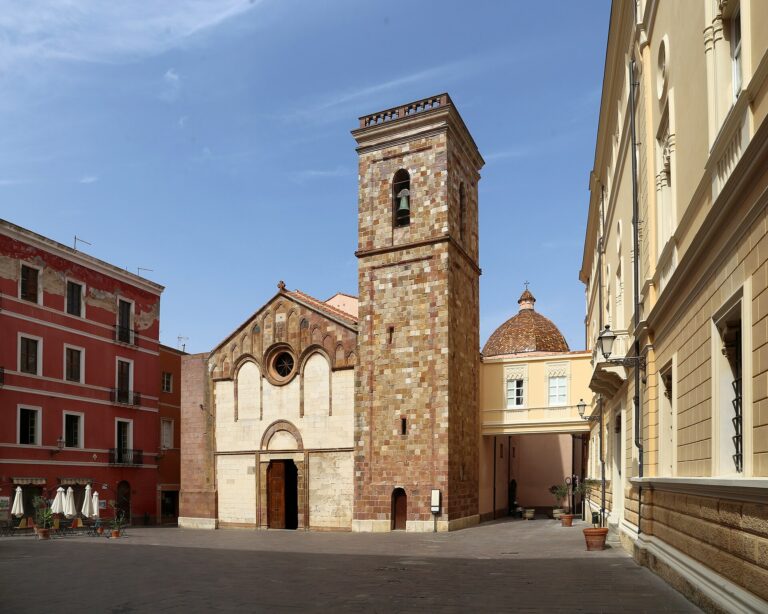
In the village, stop at the parish church of San Giorgio, the patron saint, with its granite bell tower. Out in the countryside, on the site of old Oleri, stands the little country church of San Pietro. The area also has standing stones, domus de janas (small Neolithic tombs cut into the rock) and remains of several nuraghi, the stone towers of the Bronze Age.
Nearby is Lake Cucchinadorza, a wooded reservoir that is part of the Taloro system together with the Gusana and Benzone lakes. The neighbouring villages are all worth a detour: Gavoi, with its granite old town and Lake Gusana; Fonni, the highest village in Sardinia; Teti, with the Nuragic village of S’Urbale and its archaeological museum; and Desulo, gateway to the Gennargentu.
Tip: on the same weekend, Mamoiada also holds its Cortes Apertas (6–8 November). The two villages are close and easy to combine.
How to get to Ovodda and practical tips
You’ll need a car. From Nuoro it takes about 45 minutes. From Olbia airport and ferry port, and from Alghero and Cagliari airports, allow about 2 hours or a little more, mostly on the SS131 highway and then on winding inland roads.
- What to wear: in November it’s cool by day and cold in the evening; bring warm layers, a waterproof jacket and comfortable shoes for stone streets.
- When to arrive: in the morning, to enjoy the demonstrations calmly and find parking more easily.
- Cash: useful for tastings and purchases from small producers.
- Where to stay: there are few places in the village itself, so book a B&B or agriturismo (farm stay) early, or stay in Nuoro, Gavoi or Fonni.
FAQ: Autunno in Barbagia Ovodda 2026
When is Cortes Apertas in Ovodda in 2026?
Ovodda’s weekend takes place on Saturday 7 and Sunday 8 November 2026.
What is the Ovodda carnival?
It’s Mehuris de Lessìa, the Ash Wednesday carnival: blackened faces, recycled costumes, improvised music and the trial of the Don Conte effigy, burned at sunset. It doesn’t happen during Cortes Apertas but in February or March, depending on when Lent begins.
What is canto a tenore?
It’s the traditional singing of central Sardinia, performed by four male voices (bassu, contra, mesu boghe and boghe). UNESCO has recognised it as Intangible Cultural Heritage of Humanity since 2005.
Can I visit Ovodda and Mamoiada on the same weekend?
Yes. In 2026 Mamoiada opens its courtyards from 6 to 8 November and Ovodda on 7 and 8 November, and the two villages are close to each other.
Source: www.portalesardegna.com