Autunno in Barbagia in Tiana 2026: Cortes Apertas
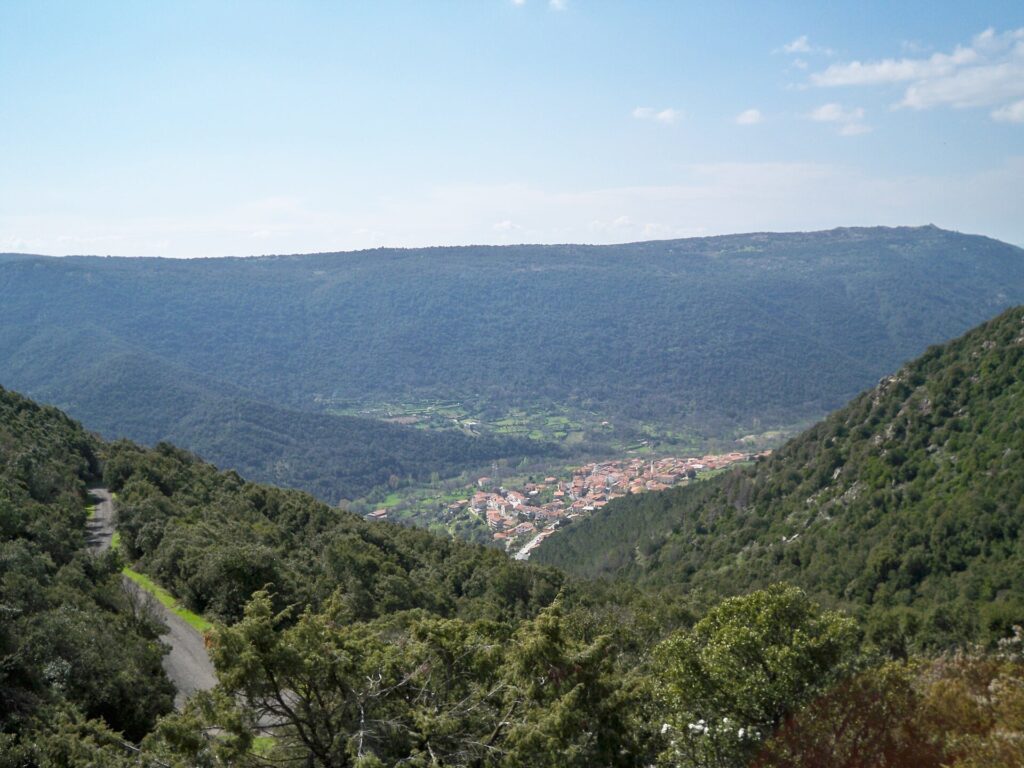
On Saturday 14 and Sunday 15 November 2026 Tiana hosts its stop of Autunno in Barbagia – Cortes Apertas. This small village of woods and streams, between Barbagia and the Mandrolisai, is known as the “village of orbace” and guards a rare treasure: sa Cracchera de Tziu Bellu, the last working water-powered fulling mill in Sardinia.
History: Tiana, water and orbace cloth
Autunno in Barbagia (“Autumn in Barbagia”) is a festival season in which, every weekend from September to December, a different inland village opens its cortes, the courtyards and historic homes, to visitors, with local food, crafts and music. In Tiana the common thread is water. From the 1700s to the mid-20th century, its streams powered mills and fulling mills: machines that pounded woollen cloth until it felted. They were the backbone of the local economy.
The cloth was orbace, a thick sheep’s-wool fabric used for traditional costumes across central Sardinia. Until the 1950s villages all over Barbagia brought their cloth here, often paying not with money but with meat, cheese, nougat or wine. Work was concentrated in autumn and winter, when the streams ran full and the wool sheared in early summer had been spun and woven.
Tziu Bellu’s mill stopped working in 1975. Restored, it is now one of very few still working in Europe, and it is set in motion again for events like Cortes Apertas. Watching it run is a trip back in time.
What to see during Cortes Apertas in Tiana
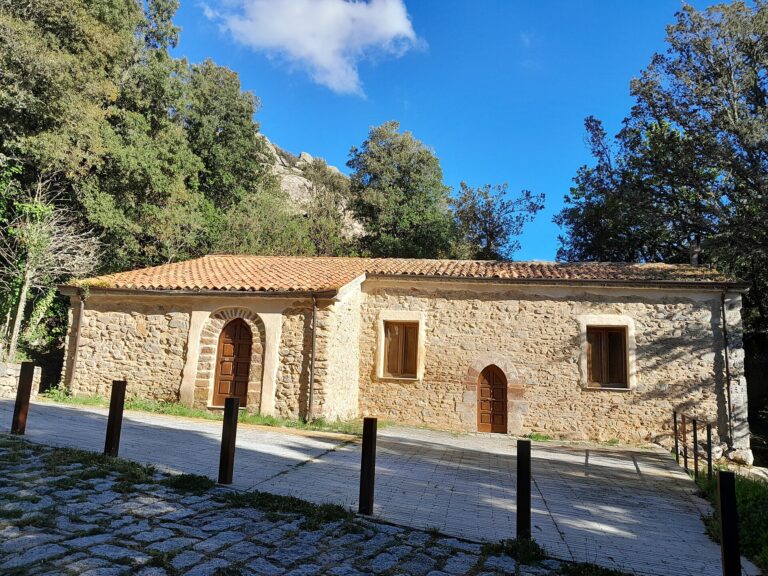
Don’t miss the “Le vie dell’acqua” (“Paths of Water”) industrial heritage museum, about 1 km from the village on the terraces of the Tino stream, near where it meets the Torrei. It includes a grain mill and two fulling mills. In Tziu Bellu’s stone mill, a water wheel drives huge mallets of downy oak that beat the cloth, kept wet with hot water, making it dense, soft and waterproof. Finally the cloth was dyed with natural materials such as saffron, pomegranate, walnut husk, chestnut and vine.
Recent editions offered guided visits to the fulling mill and grain mill with a shuttle from the centre, a hike on the regional trail network, a visit to an old Tiana house with scenes of past village life, bread and pastry workshops and roaming song and dance in the evening. Check the town and organisers for the 2026 programme.
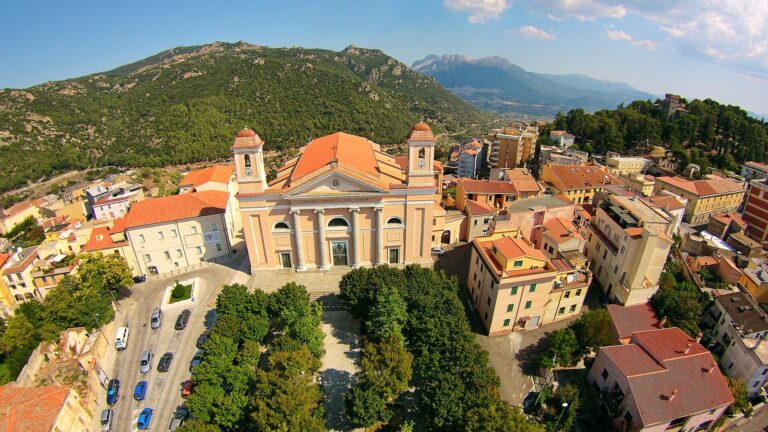
In the village, stop at the late-Gothic parish church of Sant’Elena. And if you come back in February, Tiana has its own carnival, Coli Coli, held on Ash Wednesday, with Intintos masks whose faces are blackened with charcoal.
Food to try and things to take home
A sagra is a village food festival, and the courtyards of Tiana smell of fresh bread, sheep and goat cheese, cured meats and red wine from the Mandrolisai hills. For sweets, look for guelfi, small almond treats, and pabassinos, raisin biscuits typical of the Sardinian autumn. Also interesting is s’abba e mele, made by recovering the honey left in the combs and used in traditional sweets.
Tonara, Sardinia’s nougat capital, is just a few kilometres away, and nougat was one of the “currencies” used to pay the fullers. Fun fact: Francesco Zedda Piras, founder of the historic Sardinian liqueur company that bears his name, was born in Tiana in 1835. Take home honey, cheese, sweets and, if you find it, something made of wool.
The village and the surrounding area
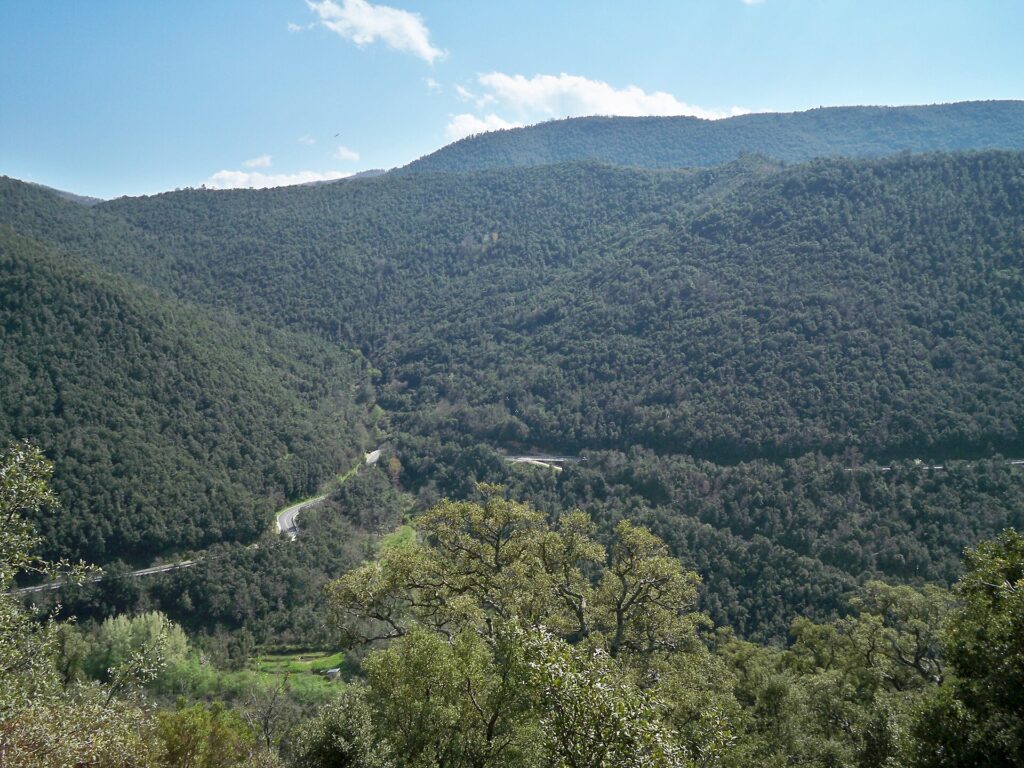
Tiana’s land is mostly forest, cut by streams; in autumn the colours are superb, and a walk by the water explains why a mill economy grew up here. The main archaeological site is the Neolithic necropolis of Mancosu, with domus de janas (rock-cut tombs, literally “fairy houses”) known locally as forreddos because they look like bread ovens.
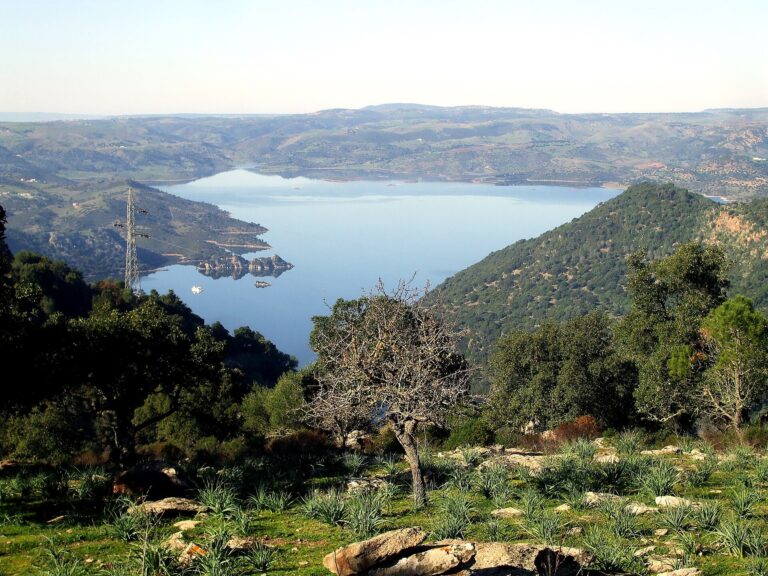
Nearby you can visit Tonara and its woods, Ovodda, the Nuragic village of S’Urbale at Teti, the Nuraghe Lò at Sorgono, Atzara with its art museum and vineyards, and further north Fonni. The Taloro reservoirs, including Lake Gusana, are also close.
How to get to Tiana and practical tips
- From Nuoro: take the SS389 towards Fonni, then continue to Ovodda and Tiana, about 1 hour.
- From Cagliari airport: about 2 hours, via the SS131 and inland roads.
- From Olbia airport or port: about 2 hours, via Nuoro.
- From Alghero airport or Porto Torres: just over 2 hours via the SS131.
You really need a car: public transport inland is sparse, especially at weekends. Mountain roads are narrow and winding, so allow extra time. Arrive in the morning, when the mill is less crowded. November in the hills is cold and damp: dress in layers, bring a waterproof and walking shoes if you want to go down to the stream. Carry cash for producers. Accommodation is limited to a few B&Bs in the village and places in Tonara and nearby villages, so book ahead.
Cortes Apertas Tiana 2026: FAQ
When is Autunno in Barbagia in Tiana in 2026?
Saturday 14 and Sunday 15 November 2026. Times and activities are announced by the town and organisers shortly before.
What is orbace?
A thick sheep’s-wool cloth, traditionally handwoven and then felted in a fulling mill. It was used for jackets, skirts and cloaks in Sardinian costumes because it is warm and water-resistant.
What is a fulling mill, and where is Tiana’s?
A water-powered machine whose heavy wooden mallets pound woollen cloth to thicken it. Tiana’s, sa Cracchera de Tziu Bellu, is about 1 km from the village in the “Le vie dell’acqua” museum complex.
Can I visit the mill outside the festival?
Yes, the museum opens by appointment; contact the Comune (town hall) of Tiana to book.
Source: www.portalesardegna.com