Artes e Sabores in Santu Lussurgiu 2026
Price on request Discover
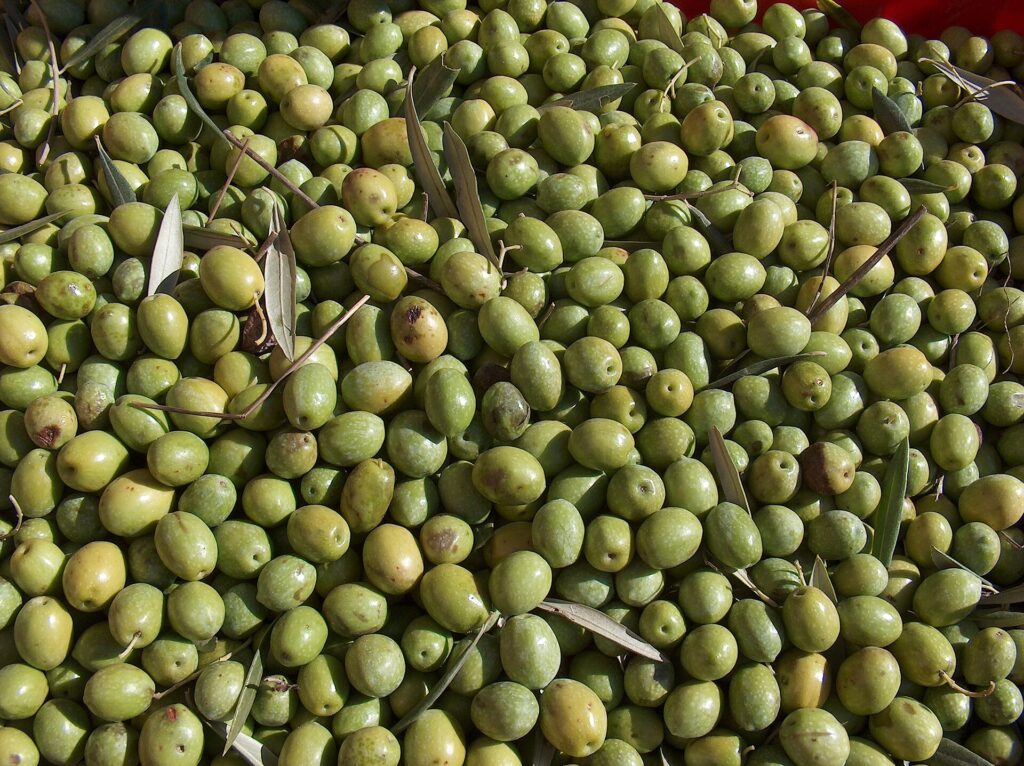
From November to January, villages all over Sardinia smell different. Nets are spread under the trees, crates pile up, there is a queue outside the olive mill, and then comes that first trickle of cloudy green oil, peppery on the throat, poured over a warm slice of bread. This is how Sardegna PDO extra virgin olive oil is born: one designation that brings together olive groves from every corner of the island.
Olive trees have always belonged here – just look at the ancient wild olives of Luras or Santa Maria Navarrese. According to the Qualivita Foundation, olive growing was most likely introduced between the 8th and 7th centuries BC, and the first real boom came under the Romans, along with the first presses. After centuries of ups and downs, and a hard crisis in the 1960s and 70s, Sardinian olive growing is now enjoying a revival focused on quality. For many local families, though, oil has never been just a product: it is the year’s supply, a gift for relatives and a reason to celebrate the first pressing together.
The PDO rests on four native cultivars: Bosana, Tonda di Cagliari, Nera (Tonda) di Villacidro and Semidana. Together or alone they must make up at least 80% of the grove; other varieties can account for the remaining 20%. Bosana dominates the north-west and centre, from the Sassari area to Planargia and Montiferru; dark, round olives – locally also called “Nera di Gonnos” – prevail in the south around Villacidro and Gonnosfanadiga; Semidana is rarer and found mainly around Oristano. The oil ranges from green to yellow, with a fruity aroma and clear bitter and spicy notes.
“Sardegna” was registered as a Protected Designation of Origin by the EU on 15 February 2007, and the production area covers the whole region. Olives are picked from the start of ripening until 31 January and must be milled within two days. Malaxation may not exceed 30 °C or last more than 75 minutes. Acidity must stay below 0.5% (the general limit for extra virgin oil is 0.8%), total polyphenols must exceed 100 ppm and the tasting panel score must be at least 7. Every bottle carries the vintage and a uniquely coded guarantee seal. The designation is protected by the Consorzio per la Tutela dell’Olio Extravergine di Oliva Sardegna DOP.
The most Sardinian way is also the simplest: new oil and a pinch of salt on a slice of civraxiu bread or a sheet of pane carasau – that is how pane guttiau is made. Its bold flavour stands up to legume soups, wild greens, grilled red meat, fregula, malloreddus and roast fish. Store it cool and dark (14–18 °C) and enjoy it within 4–6 months of pressing.
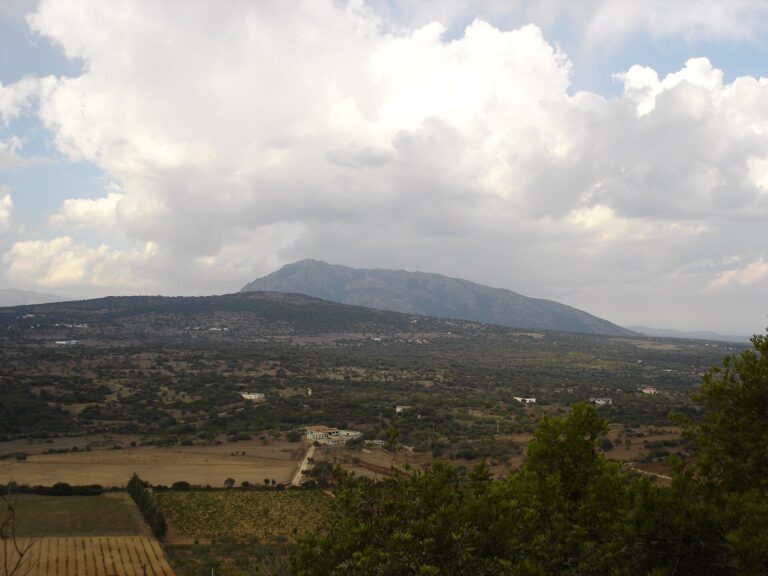
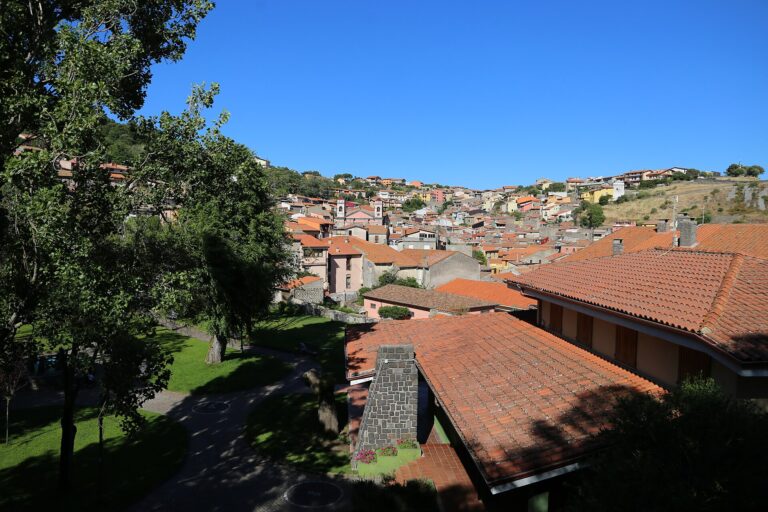
Strong olive-growing areas include the Sassari area (Sassari, Ittiri, Usini), Montiferru (Seneghe, Cuglieri, Santu Lussurgiu), Planargia around Bosa, Medio Campidano with Villacidro and Gonnosfanadiga, and Parteolla with Dolianova. In autumn many mills welcome visitors to watch the pressing and taste freshly made oil. Montiferru is also home to the Premio nazionale Montiferru, the national extra virgin olive oil competition promoted by the Oristano Chamber of Commerce. For a real experience, book a mill tour with a guided tasting or a harvest day on a farm.
It follows strict rules: at least 80% native varieties, olives grown and milled in Sardinia within two days, acidity below 0.5% and polyphenols above 100 ppm, plus a traceable guarantee seal.
The harvest runs until 31 January, so new oil arrives in autumn and lasts through winter. The olive vintage is printed on the label.
Bitterness and pungency are qualities, not flaws: they signal a fresh oil rich in antioxidant polyphenols.
Do you run activities in Sardinia?
Get your own page on Ajò Sardegna: free until 31 May 2027, no commissions, with customer requests coming straight to you. If you like, we prepare the page for you.
Hi!
Can I help you?
Lia is an AI-based virtual assistant and can make mistakes: always check with the operator. Please don't share personal data. Privacy