Things to do in Sassari
Things to do in Sassari, Sardinia: old town, cathedral, Rosello fountain, Museo Sanna, the Candelieri festival and beaches at Platamona and Argentiera.
We are gathering the first experiences for this area. Check back soon, or tell us about an operator you know.
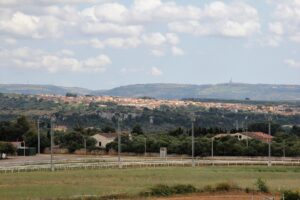
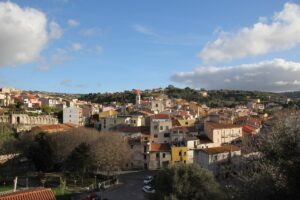
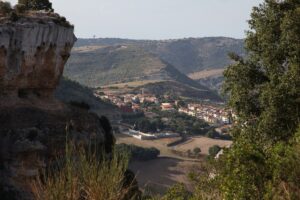
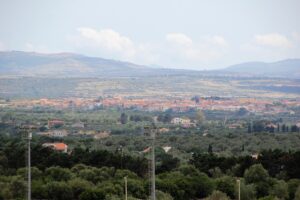
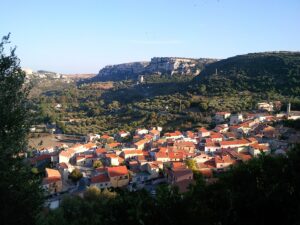
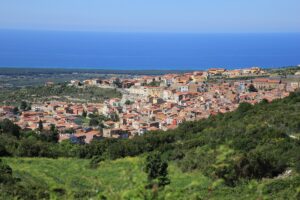
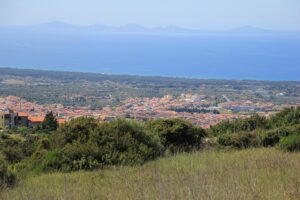
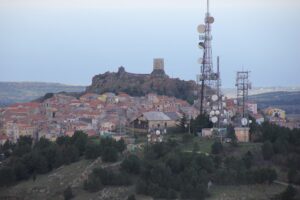
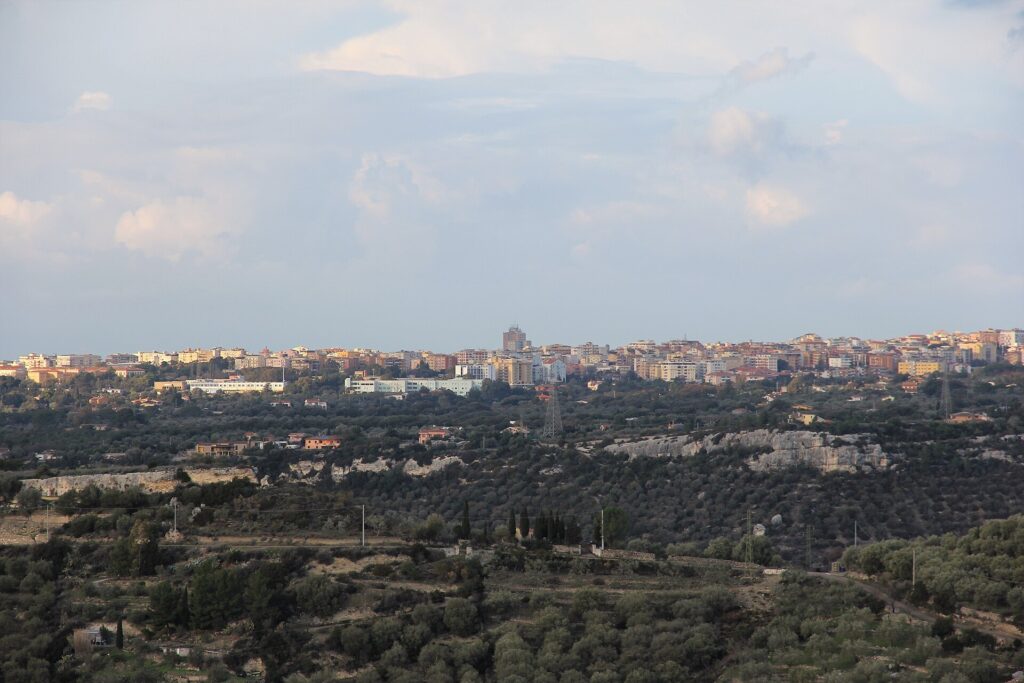
Sassari is Sardinia's second city, with around 120,000 residents, and the island's largest municipality by area: from the centre, on a limestone plateau in the north-west, its territory runs down to the Gulf of Asinara and the wild coast of the Nurra. It is a real, lively university city, largely untouched by mass tourism, with an old town full of churches and palazzi, excellent museums and two of Sardinia's most spectacular folk festivals. It suits travellers who love art and history, anyone wanting to see authentic Sardinia, and those looking for a convenient base between Alghero, Stintino and Castelsardo.
What to see in Sassari
Piazza d'Italia and the Corso
The city's living room is Piazza d'Italia, one of the largest squares in Italy, framed by 19th-century buildings. The standout is the Palazzo della Provincia, seat of the provincial government since 1873, whose decorated halls open on special occasions. From here Corso Vittorio Emanuele, the ancient spine of the medieval town, runs down into the oldest quarter past historic palazzi, shops and side alleys.
San Nicola Cathedral
The cathedral of San Nicola sums up the city's history: a grand Baroque façade, a Catalan Gothic interior and a bell tower that keeps its Romanesque base. Next door, the Diocesan Museum holds sacred furnishings and works of art.
Rosello Fountain
Built between 1585 and 1606 in a small valley below the centre, it is the symbol of Sassari: an elegant late-Renaissance fountain in white and green marble, with statues of the four seasons. For centuries it was the city's main water source, carried around town by water sellers.
Historic churches
Santa Maria di Betlem, just outside the old walls, keeps the Candelieri between festivals and is the goal of their procession. San Pietro di Silki, in a once outlying district, is among the city's oldest churches. In the centre, the churches of Santa Caterina and Sant'Antonio Abate also deserve a stop.
Museums
The Museo nazionale Sanna is one of the island's key museums, telling Sardinia's story from prehistory to the Middle Ages, with a rich Nuragic section (nuraghi are Sardinia's Bronze Age stone towers) and an ethnographic area on costumes and crafts. The Pinacoteca nazionale, in the former Jesuit college of the Canopoleno, shows paintings from the 14th to the 20th century. The Brigata Sassari Museum, in the La Marmora barracks, recalls the brigade that became the city's symbol and was famed for its role in the First World War.
Teatro Civico, Palazzo Ducale and the walls
In the heart of the old town stand the Teatro Civico, built in 1826–1830, and the Palazzo Ducale, now the town hall. In Piazza Castello the foundations of the Aragonese castle, demolished in 1877, have been uncovered. Some stretches of the medieval walls and a few towers survive.
Monte d'Accoddi
A few kilometres from the city, on the road to Porto Torres, lies one of the most mysterious sites in the Mediterranean: a large stepped altar from the 4th millennium BC, often compared to Mesopotamian ziggurats. It is an open-air site you can see in under an hour.
Things to do in Sassari
Sassari is best enjoyed on foot, slipping into old-town alleys, workshops and trattorias. The best experiences include:
- Guided tours of the old town, museums and churches, to understand a city that was a free commune as early as the 13th century.
- Food tours to taste fainè, traditional dishes and local wines.
- Surfing and kitesurfing at Porto Ferro, one of the west coast's bays most exposed to the mistral wind.
- Hiking and horse riding in the Nurra, between Lake Baratz, dunes and coastal cliffs.
- Mining heritage at Argentiera, with old mine buildings overlooking the sea.
- Boat trips in the Gulf of Asinara from nearby harbours.
Just below you will find the experiences offered by local operators: pick the one that appeals most and book it directly.
Beaches in Sassari
The municipality reaches the sea in two very different areas.
- Platamona: a very long beach of pale sand on the Gulf of Asinara, shared with Sorso and backed by pine woods. About 15 minutes from the centre, it is the locals' beach: facilities and a gently shelving seabed make it great for families.
- Argentiera: a small beach below the former mining village, with the mine's timber and stone structures behind it. A unique atmosphere, especially at sunset.
- Porto Palmas: a sandy bay just south of Argentiera, between dark cliffs and clear water.
- Porto Ferro: a wide bay of golden sand framed by Spanish coastal towers, with frequent waves; loved by surfers and anyone seeking space and nature. With the mistral the sea can be rough.
History
The area has been inhabited since prehistoric times, as Monte d'Accoddi shows, and later in the Nuragic and Roman ages. The city itself grew in the early Middle Ages, when coastal people, including those of Turris Libisonis (today's Porto Torres), moved inland to escape malaria and raids. Sassari became capital of the Judicate of Torres, one of Sardinia's four medieval kingdoms, and in 1294 adopted the Statuti Sassaresi, which made it a free commune. After the Aragonese conquest it became a royal city; Spanish rule, plagues and recovery followed. In 1562 the Jesuits founded the college that grew into the island's oldest university. In the 18th century Sardinia passed to the House of Savoy and in the 19th the city spread beyond its walls. In the 20th century Sassari gave Italy two presidents of the Republic, Antonio Segni and Francesco Cossiga, and many other political figures.
Food and local products
Sassari's cooking has a character of its own:
- Fainè: a chickpea flatbread of Ligurian origin baked in large pans, plain or topped with onion, sausage or anchovies.
- Zimino: veal offal grilled over embers.
- Cordula: braided lamb offal, often cooked with peas.
- Monzette: small snails pan-cooked with garlic, oil and parsley, a star of many feasts.
To drink, try north-west wines such as Cagnulari, Vermentino and Moscato di Sorso-Sennori. To take home: cheeses, traditional sweets, filigree jewellery and Sardinian handicrafts.
Festivals and traditions
- The Candelieri (14 August): the Faradda di li candareri, the descent of the candlesticks, is the city's heartfelt festival. The gremi, the old trade guilds, carry huge decorated wooden columns on their shoulders, making them "dance" through the centre down to Santa Maria di Betlem in fulfilment of a vow to the Virgin of the Assumption. It belongs to the network of Italian shoulder-borne processional structures recognised by UNESCO.
- Cavalcata Sarda (second-to-last Sunday of May): a parade of costumed groups from all over the island, followed by spectacular acrobatic horse riding.
- Holy Week rites: processions led by the confraternities.
Locals speak Sassarese, a language close to Corsican and distinct from the Sardinian of nearby villages.
Nearby
- Saccargia Basilica (about 20 minutes): a Pisan Romanesque masterpiece in black and white stripes in the countryside of Codrongianos.
- Porto Torres (about 20 minutes): the San Gavino basilica, Roman remains and boats to Asinara.
- Alghero (about 35 minutes): the Catalan town by the sea, with Capo Caccia and Neptune's Grotto.
- Castelsardo (about 35 minutes): a medieval village perched above the sea.
- Stintino and La Pelosa (about 45 minutes): one of Italy's most famous beaches.
Getting there and when to go
The nearest airport is Alghero-Fertilia, about 30 minutes by car; Olbia-Costa Smeralda is about an hour and a quarter away. The port of Porto Torres, with ferries from mainland Italy, France and Spain, is about 20 minutes away. Sassari is linked to Cagliari by the SS131 Carlo Felice highway and by rail, and the city has buses and a light-rail tram. Every season has its appeal: spring is perfect for city sightseeing and the Cavalcata Sarda, summer combines the sea with the August Candelieri, and autumn and winter are the time for fainè and a city lived by its own people.
Frequently asked questions
How many days do you need in Sassari?
One day covers the old town and the Museo Sanna. With two or three days you can add Monte d'Accoddi, Saccargia and a beach day at Platamona or Argentiera.
Is Sassari by the sea?
Yes: the municipality includes part of Platamona on the Gulf of Asinara and the Nurra coast with Argentiera, Porto Palmas and Porto Ferro, 15 to 40 minutes' drive from the centre.
When is the Candelieri festival?
Every year on 14 August, the eve of the Assumption.
Is Sassari good for families?
Yes: the centre is easy to explore on foot, the Museo Sanna fascinates younger visitors too, and Platamona's shallow water is ideal for children.