Things to do in Gonnosfanadiga
Things to do in Gonnosfanadiga, Sardinia: San Cosimo giants' tomb, Monte Linas hikes, Muru Mannu waterfall, Perd'e Pibera park and olive oil.
We are gathering the first experiences for this area. Check back soon, or tell us about an operator you know.
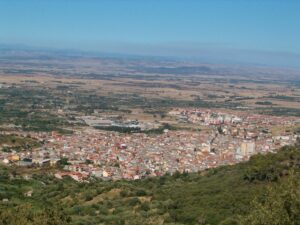
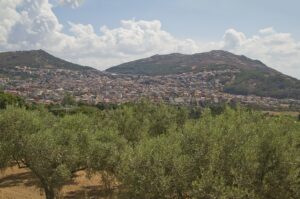
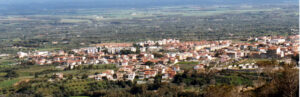
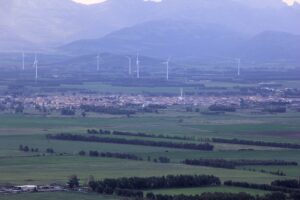
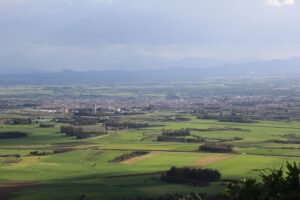
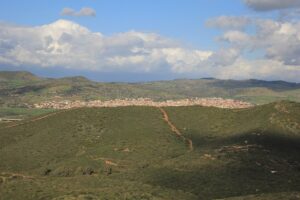
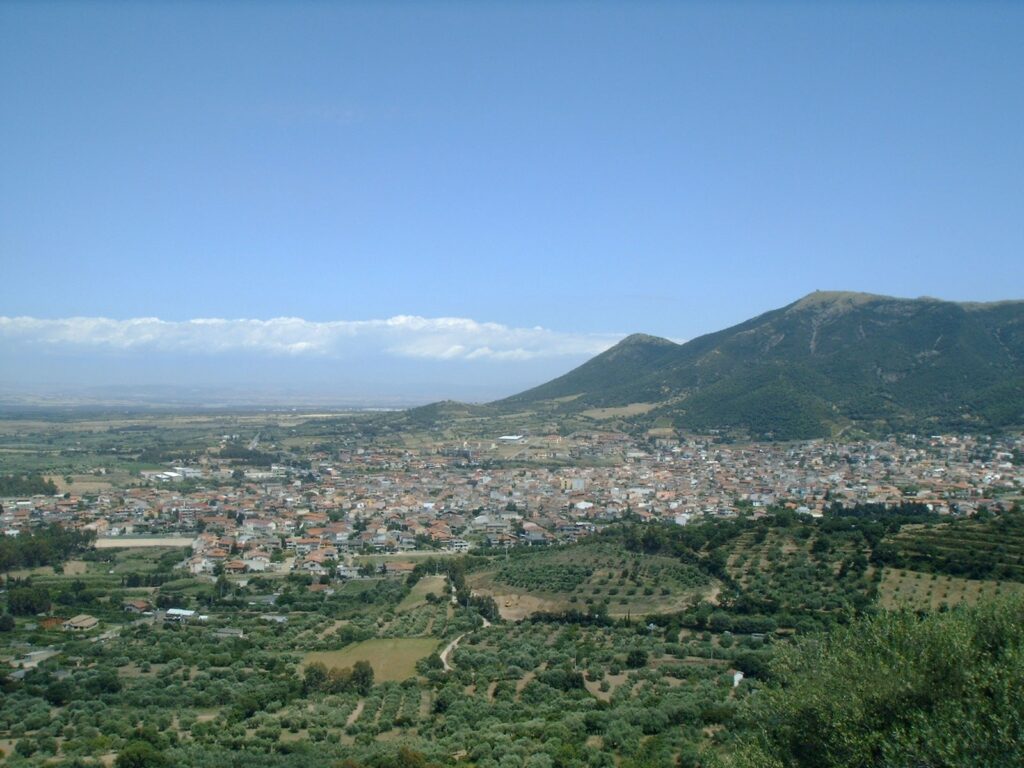
Gonnosfanadiga sits on the slopes of Monte Linas, between the Medio Campidano plain and one of Europe's oldest granite massifs, about an hour from Cagliari. It's a town of olive oil, of the Nera di Gonnos olive and of knife makers, but above all a gateway to holm oak woods, gorges and waterfalls, including Muru Mannu, Sardinia's highest. It's perfect for hikers, nature lovers and fans of honest food.
What to see in Gonnosfanadiga
San Cosimo giants' tomb
One of the largest megalithic monuments on the island: a Nuragic collective tomb with a semicircular forecourt about 26 metres wide and a chamber about 20 metres long. It's reached from the provincial road to Arbus.
Churches of Santa Barbara and Santa Severa
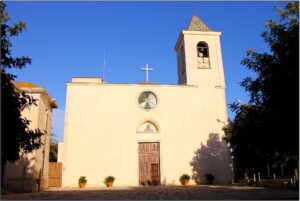
The parish church of Santa Barbara, from the medieval Giudicato period, keeps a bell dated 1388. On a hill a few hundred metres from town stands the country church of Santa Severa, built over a Roman necropolis and linked to Greek-rite monks in Byzantine times.
Perd'e Pibera park
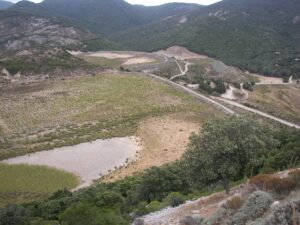
South of town, a holm oak wood with Mediterranean undergrowth, picnic areas and the remains of a disused molybdenite mine: an easy, pleasant spot for a day outdoors.
Monte Linas and Muru Mannu waterfall
The massif peaks at Punta Perda de sa Mesa, over 1,200 metres. Streams run through its gorges, forming spectacular waterfalls, the most famous being Muru Mannu, with a drop of about 70 metres.
Things to do in Gonnosfanadiga
The Linas is a paradise for hiking, mountain biking and horse riding: trails among holm oaks, cork oaks and yews, granite ridges and streams, with a chance to spot Sardinian deer and golden eagles. Waterfall hikes require good fitness or an experienced guide. In autumn you can watch the olive harvest and visit the mills. Discover the experiences offered by local guides and operators below.
History
People have frequented this area for some 7,000 years, with early Neolithic settlements, a proto-nuraghe at Pal'e Pardu and plenty of Roman remains. In the Middle Ages it belonged to the Giudicato of Arborea, then the Marquisate of Oristano, and from 1478 to Aragon; later it was a fief of the Centelles family. It was redeemed in 1839. The Linas mines were worked until the 1960s. On 17 February 1943 an Allied bombing killed more than a hundred civilians, remembered every year.
Food and shopping
The signature product is extra virgin olive oil, along with table olives of the Nera di Gonnos variety. Try the traditional sourdough bread, cured meats, cheeses, honey and sweets. Local crafts include wood, cork, ceramics, textiles and the knives of Gonnos craftsmen.
Festivals and traditions
- Remembrance of 17 February 1943.
- Madonna della Salute (last Sunday of May): procession with horses, tractors, traccas (decorated carts), folk groups and launeddas players.
- Bread festival (October).
- Olive festival (late November): local food and crafts during the olive harvest.
Around Gonnosfanadiga
- Villacidro: the Sa Spendula and Piscina Irgas waterfalls.
- Guspini: columnar basalts and the Montevecchio mines.
- Arbus: the dunes and beach of Piscinas on the Costa Verde, under an hour away.
- Montimannu forest: trails and woods of the Linas.
Getting there and when to go
Cagliari's airport and port are about an hour's drive, via the SS 196 and Villacidro or via the SS 131. Spring is ideal for waterfalls and trails; autumn, with the olive harvest, is the best time for food.
FAQ
How do you reach Muru Mannu waterfall?
On a demanding hike in the Linas: best with a guide, between winter and spring when there's water.
Is Gonnosfanadiga good for families?
Yes: Perd'e Pibera park and the San Cosimo giants' tomb are easy to visit with children.
How many days do you need?
One day for the town and surroundings, two or three to explore the Linas.