Things to do in Bosa
Things to do in Bosa, Sardinia: Sa Costa, Serravalle castle, the Temo tanneries, Bosa Marina beaches, Malvasia wine, Carnival and griffon vultures.
We are gathering the first experiences for this area. Check back soon, or tell us about an operator you know.
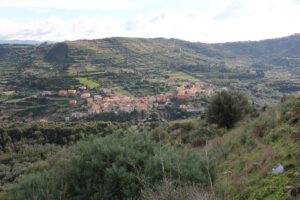
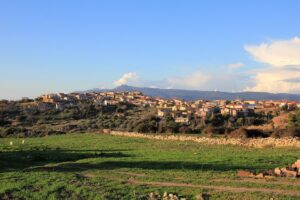
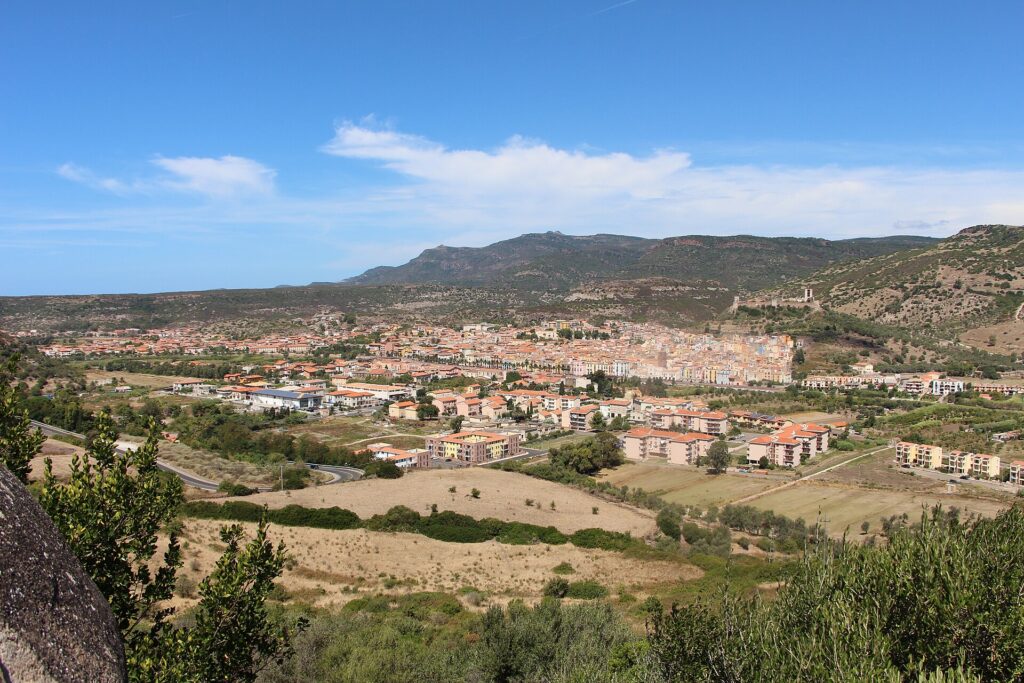
Bosa is a small town on Sardinia's west coast, in the historic region of Planargia, stretched along the banks of the Temo river a few kilometres from the sea. Its pastel houses climb the hill up to Serravalle castle, while the old tanneries are reflected in the river below: it's one of the island's most beautiful townscapes. It combines a walkable old town, a coast of cliffs and coves, sweet wine and lively traditions such as its Carnival. It's perfect for lovers of old towns, photography, wild nature and an authentic, less crowded Sardinia.
What to see in Bosa
The Sa Costa quarter
The medieval quarter of Sa Costa ("the slope") climbs below the castle in a tangle of cobbled lanes, stairways and tall, narrow houses painted pink, blue, yellow and green. Getting lost here, among washing lines and glimpses of the river, is the best thing to do in Bosa.
Serravalle Castle and Nostra Signora de Regnos Altos
On top of the hill stands the castle built by the Malaspina marquises in the 13th century; its long curtain wall and towers survive. The walkways overlook the town, the Temo valley and the sea. Inside, the chapel of Nostra Signora de Regnos Altos holds 14th–15th-century frescoes rediscovered in the 1970s, including the only depiction in Sardinia of the "Encounter of the Three Living and the Three Dead".
The tanneries, Sas Conzas
On the left bank of the Temo, facing the centre, stand the buildings of the old tanneries, active for centuries and closed in the 1960s. Today they're a national monument and one of the town's symbols; one of them houses a museum on leatherworking.
Ponte Vecchio, the Corso and the Cathedral
The three-arched Ponte Vecchio in red trachyte links the two banks. Across it opens Corso Vittorio Emanuele, the main street, lined with elegant mansions and shops; here you'll find Casa Deriu, a 19th-century home preserving the furniture and belongings of a well-to-do family. On the riverfront rises the Cathedral of the Immaculate Conception, rebuilt in the early 19th century with a rich Baroque interior.
San Pietro extra muros
About two kilometres upriver from the centre is one of Sardinia's oldest Romanesque churches, consecrated in 1073, where the earliest Bosa once stood. Its trachyte façade and the quiet of the valley make it a special visit.
Bosa Marina and the Isola Rossa tower
At the mouth of the Temo, the district of Bosa Marina is the town's gateway to the sea. The Aragonese tower of Isola Rossa, on an islet now joined to the mainland, watches over the harbour and beach.
Things to do in Bosa
Bosa is the only Sardinian town built on the bank of a navigable river, and the Temo is the first way to discover it: by boat, kayak or canoe you paddle upstream among reeds, water birds and the colourful façades of the old town. The sea, close by, offers boat trips along a high, wild coast with caves and coves reachable only from the water.
- Kayak and SUP on the Temo: a gentle experience, fine even if you've never paddled.
- Boat trips and snorkelling along the coast to the north, among volcanic cliffs and clear water.
- Griffon vulture watching: the cliffs between Bosa and Alghero host one of Sardinia's last griffon colonies, and the coast road is one of the island's most scenic drives.
- Hiking and cycling in the Planargia hills and along coastal paths.
- Malvasia tastings at wineries in nearby villages.
- Filet workshops, Bosa's traditional embroidery.
- Photo walks through Sa Costa and along the river at sunset.
The experiences offered by local operators in Bosa and Planargia are right below: pick yours and book it to see Bosa up close.
Beaches in Bosa
- Bosa Marina: the main beach, wide and sandy, at the river mouth next to the tower; easy, with facilities, great for families.
- Turas: just south of Bosa Marina, a smaller, more secluded sandy beach framed by rocks.
- S'Abba Drucche: on the coast road north, a small beach among cliffs with clear water, named after a freshwater spring.
- Cumpoltittu: a small rocky cove to the north, loved by those seeking peace and snorkelling.
The northern coves are reached by short paths or by boat: water shoes are recommended.
History
The area was inhabited in the Nuragic age, and the town was probably founded by the Phoenicians; in Roman times it was a municipium, built in the valley near today's church of San Pietro. In the Middle Ages the Malaspina built Serravalle castle and people moved up the hill, creating the Sa Costa quarter. Under the Aragonese, Bosa became a royal city (1499). In the 16th century the mouth of the Temo was blocked to defend the town from the French, and the port declined. In the 18th and 19th centuries the town flourished again thanks to its tanneries, trade and farming, as the mansions on the Corso show.
What to eat and buy
The local icon is Malvasia di Bosa, an aromatic DOC wine made in Planargia in both sweet and dry styles: lovely with almond pastries and cheeses alike. The sea brings lobster, fish and shellfish; the countryside sheep's cheeses, olive oil and meat. One of the finest souvenirs is Bosa filet, delicate embroidery on knotted netting handmade by local women, for tablecloths, doilies and curtains. Coral and leather goods are also easy to find.
Festivals and traditions
- Bosa Carnival: one of Sardinia's most original, ironic and spontaneous. On Shrove Tuesday, by day, comes S'Attittidu, a mock funeral lament: townspeople dressed in mourning weep for the dying Carnival with jokes and satire. In the evening it's Giolzi: participants wrapped in white sheets and holding lanterns roam the streets searching for Carnival.
- Santa Maria del Mare, in early August: the statue of the Madonna travels up the Temo in procession aboard fishing boats, between Bosa Marina and the town.
- Nostra Signora de Regnos Altos, in September: the lanes of Sa Costa fill with small altars, lights and decorations.
Nearby
- The Bosa–Alghero coast road (about 50 minutes): cliffs, griffon vultures and coves.
- The Malvasia villages, such as Magomadas, Tresnuraghes and Suni (about 10–20 minutes): wineries, small villages and views.
- Nuraghe Nuraddeo, near Suni, one of the most striking nuraghi in the area.
- Montiferru and Santu Lussurgiu (about 45 minutes): woods, springs and a stone-built old town.
- Alghero (about 50 minutes): ramparts, Capo Caccia and Neptune's Grotto.
Getting there and when to go
The nearest airport is Alghero-Fertilia, about an hour's drive along the coast road; Cagliari and Olbia are each about 2 hours away. From the south, leave the SS 131 at Macomer (about 30 minutes) or follow the coast from Oristano (about an hour). Bosa is lovely all year: summer for the sea, spring and autumn for mild weather and walks, February for Carnival and August for the river festival.
Frequently asked questions
How many days do you need in Bosa?
One day covers Sa Costa, the castle, the tanneries and the riverfront. With two or three days add kayaking on the Temo, the beaches, the coast road to Alghero and a Malvasia tasting.
Is Bosa good for families?
Yes: Bosa Marina has a wide, easy beach, kayaking on the river is simple and fun, and children love the castle. Sa Costa's lanes are steep, so a baby carrier beats a pushchair.
Is the Temo river navigable?
Yes, for a few kilometres from its mouth: it's the only navigable stretch of river in Sardinia, explored by boat, kayak or canoe.
When can you see griffon vultures?
They can be spotted year-round along the cliffs north of Bosa, especially around midday when they ride warm air currents.