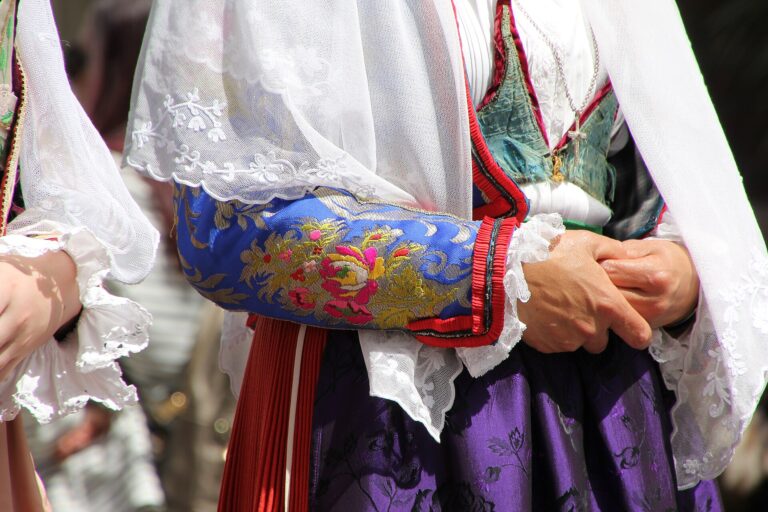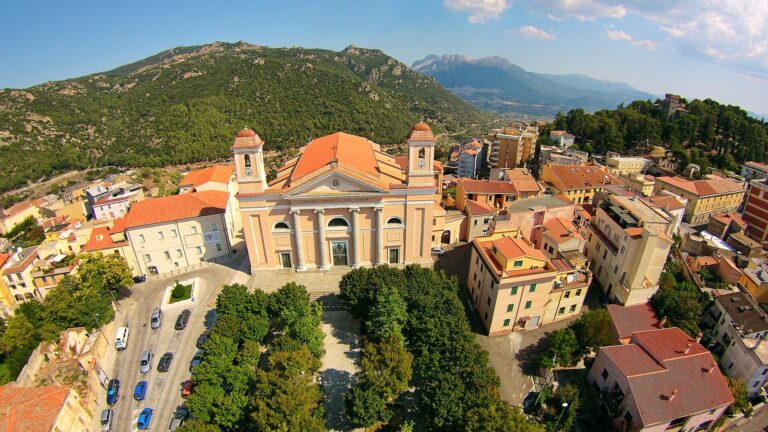
Autunno in Barbagia in Mamoiada 2026: Cortes Apertas
Price on request Discover
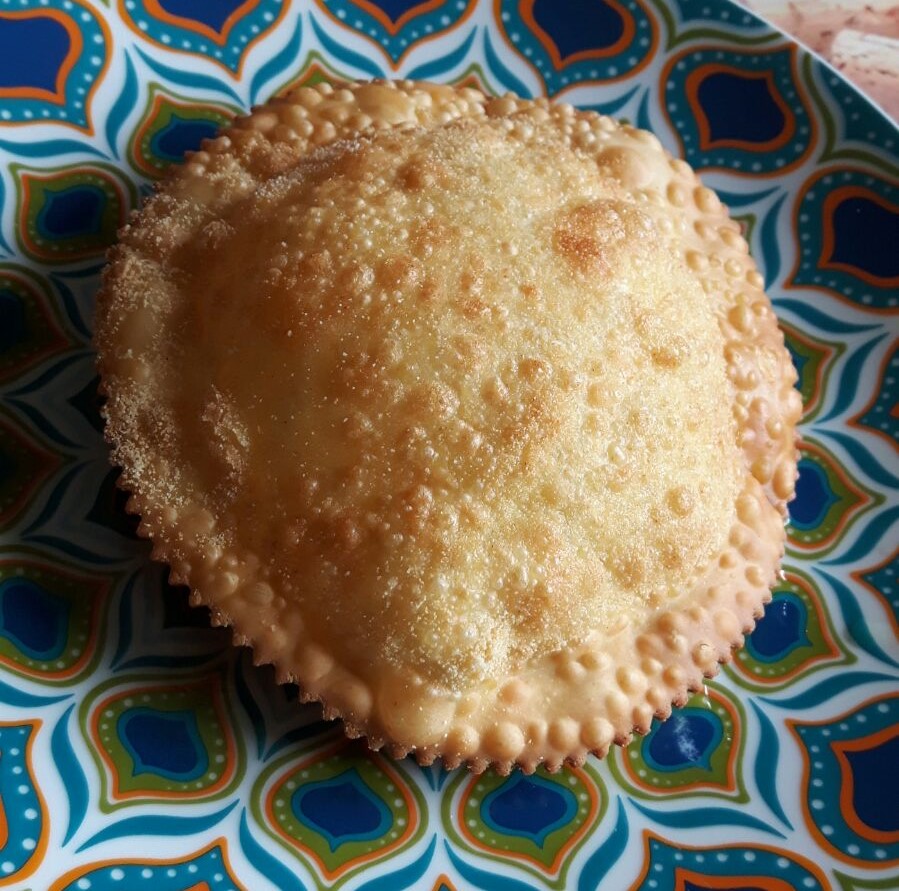
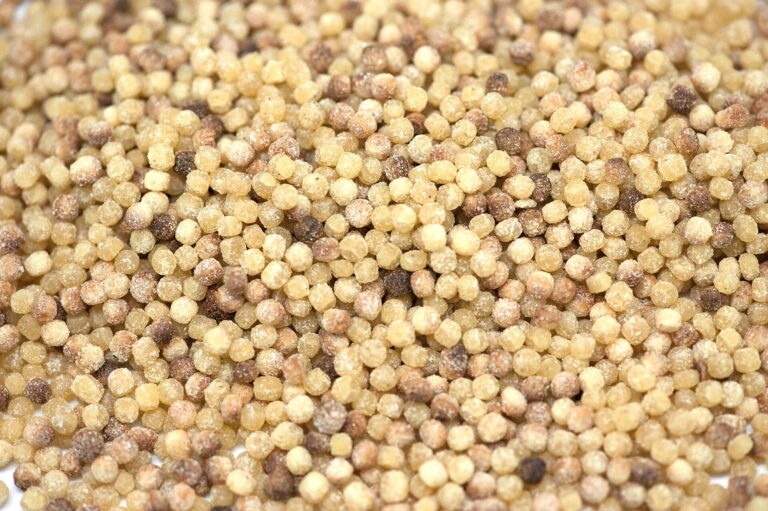
Ask a Sardinian which dessert tastes like home and the answer is very often the same: the seada. A golden disc of semolina pastry, fried until crisp, with a heart of fresh, stretchy cheese, served drenched in warm honey. Sweet and salty, crunchy and soft at once – it sounds like a modern chef’s idea, yet it comes straight from Sardinia’s shepherding world. In Sardinian it goes by sebada, sevada, savada or seatta; “seadas” is the plural, and the name most visitors know.
Seadas were born in the countryside, where three things were always at hand: wheat, cheese and honey. Originally they were not a dessert but a hearty main dish. Tradition says they were made to welcome shepherds returning from transhumance, a thank-you for months spent with the flocks far from home.
According to linguist Max Leopold Wagner, the name comes from sebu, animal fat: the pastry was once made with sheep’s tallow, which gave it its glossy look. Scholars debate the exact birthplace – some point to the mountains between northern Ogliastra and Barbagia, around Dorgali and Urzulei – but today it is the whole island’s dessert.
Some families melt the cheese first with a splash of milk, others use it raw. In some homes the seadas are dipped in hot honey, stacked and drizzled with what is left – a custom called ammerrare sas seadas.
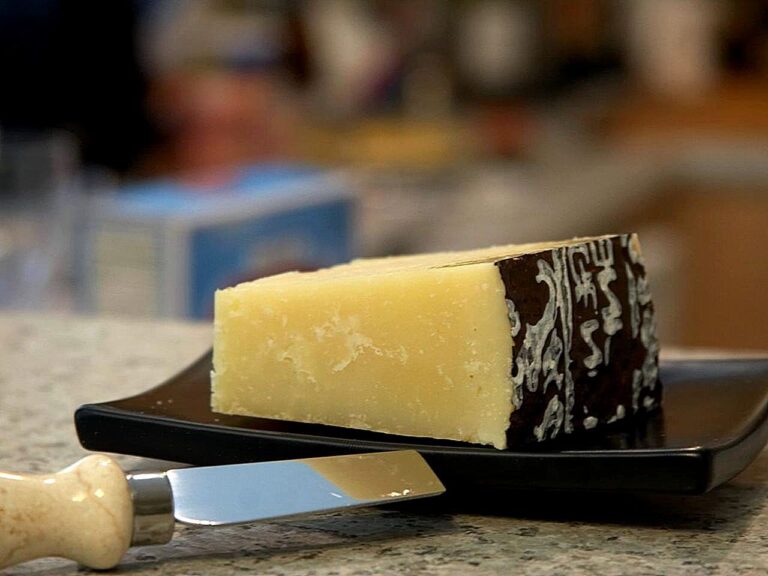
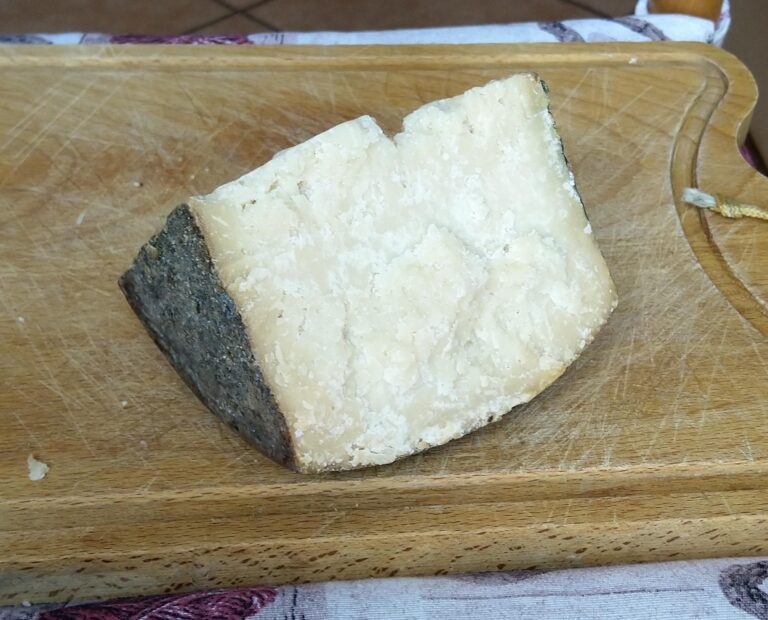
In July 2023 the EU registered Sebadas di Sardegna as a Protected Geographical Indication (PGI), under six names: Sebadas, Seadas, Sabadas, Seattas, Savadas and Sevadas. The specification requires production in Sardinia, lard in the pastry, a pecorino, goat’s or cow’s milk cheese filling flavoured with citrus zest, honey or sugar on top and a maximum weight of 300 grams.
Eat them freshly fried, when the pastry crackles and the cheese pulls into strings. Wildflower honey is the classic; bitter strawberry-tree honey (corbezzolo) is for lovers of bold contrasts. Pair them with a Sardinian dessert wine such as Malvasia di Bosa, Moscato di Sardegna, Vernaccia di Oristano or Anghelu Ruju.
You’ll find seadas all over Sardinia, in restaurants, trattorias and farm stays. Ask whether they are homemade and fried to order: you will taste the difference. For something special, head up to Badde Salighes in the mountains of Bolotana, where the local Pro Loco has hosted a popular Sagra della Seada (early September in 2023 – check the current calendar). Many farms also run traditional cooking workshops where you can make your own.
Both: the cheese filling is savoury, the honey makes it sweet. Today they are served as dessert, but they were once a shepherd’s main meal.
Both are correct; it depends on the area. The PGI recognises six spellings.
Do you run activities in Sardinia?
Get your own page on Ajò Sardegna: free until 31 May 2027, no commissions, with customer requests coming straight to you. If you like, we prepare the page for you.
Hi!
Can I help you?
Lia is an AI-based virtual assistant and can make mistakes: always check with the operator. Please don't share personal data. Privacy