Things to do in Santu Lussurgiu
Santu Lussurgiu, Sardinia: stone old town, San Leonardo de Siete Fuentes springs, Sos Molinos falls, rural museum, casizolu cheese and traditions.
We are gathering the first experiences for this area. Check back soon, or tell us about an operator you know.
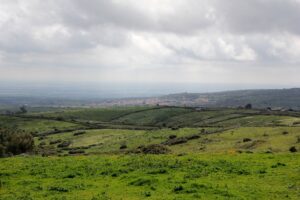
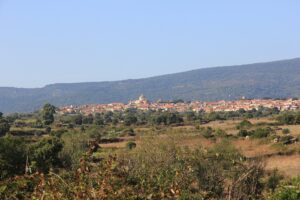
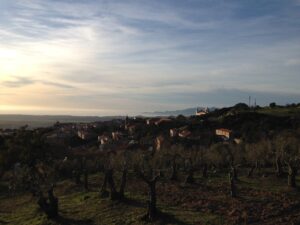
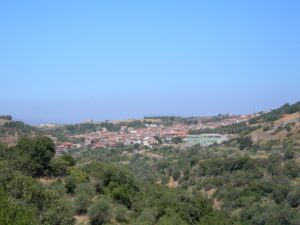
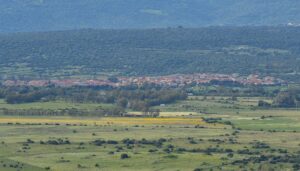
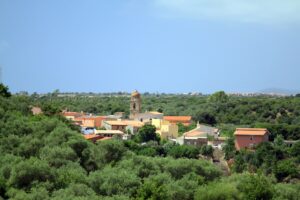
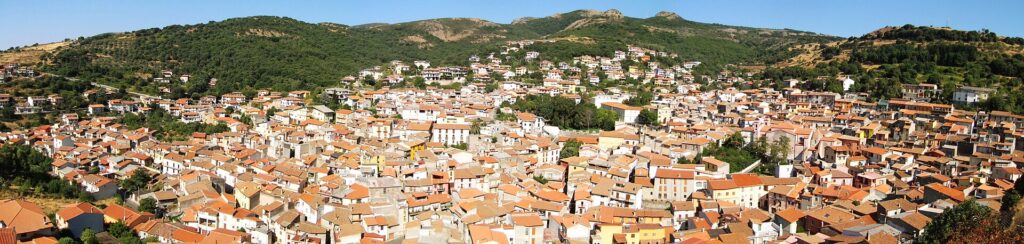
Santu Lussurgiu is a mountain village in the province of Oristano, at about 500 metres above sea level on the eastern slope of Montiferru, nestled in a green basin that local tradition describes as an ancient volcanic crater. Its stone-built old town, with cobbled streets and basalt houses, is one of the most atmospheric in inland Sardinia. All around are woods, springs and waterfalls, while the village keeps strong traditions alive, such as cantu a cuncordu polyphonic singing and horse races. It is ideal if you love walking in nature, tasting mountain cheeses and discovering a Sardinia far from the beach circuit.
What to see in Santu Lussurgiu
The old town and Sa Rocca
The heart of the village is a web of steep stone-paved lanes, arches, doorways and houses where restoration has revealed walls of basalt and trachyte. Climb to Sa Rocca, a rocky spur with a panoramic terrace topped by a large statue of the Sacred Heart, to take in the whole basin and the valley towards the Oristano plain.
The Museum of Rural Technology
In the centre, the museum of the Centre for Popular Culture shows in eleven rooms how people used to work: farm tools, looms, equipment for wine, oil and cheese, and machines from pre-industrial trades. It is one of Sardinia's richest ethnographic museums.
San Leonardo de Siete Fuentes
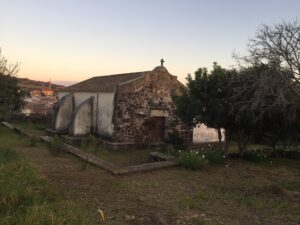
A few kilometres away, in a wood of holm oaks, downy oaks and chestnuts, lies the tiny hamlet of San Leonardo, which grew around a 12th-century Romanesque church and an old hospital of the Knights of St John. The name comes from the siete fuentes, the "seven springs" of cool water rising in the woods. In summer it is a favourite spot for shady picnics.
The Sos Molinos waterfalls
On the border with Bonarcado, the Bau 'e Mela stream drops about fifteen metres. Along the watercourse stand the ruins of old mills and gualchiere, water-powered machines used to full wool. The falls are at their best in winter and spring, when the stream is full.
Things to do in Santu Lussurgiu
- Hiking in Montiferru: trails through woods and past springs link the village, San Leonardo and the massif's peaks.
- Horse riding: horses are part of village identity, and rides through woods and pastures are an authentic way to explore.
- Mountain biking on Montiferru's forest roads.
- Dairy and distillery visits: taste casizolu cheese and discover abbardente.
- Listen to cantu a cuncordu if you get the chance, during festivals and events.
To enjoy the woods, horses and flavours of Montiferru with people who have always known them, browse the experiences offered by local operators just below.
History
The name comes from Saint Lussorius, an early Christian martyr: the village grew in the Middle Ages around his sanctuary. It belonged to the Judicate of Torres and then to Arborea, two of Sardinia's medieval kingdoms, before passing to the Aragonese in 1410; feudal rule ended in 1839. Over the centuries it was a lively centre of craftsmen: carpenters, blacksmiths, saddlers and knife-makers. In the early 20th century a young Antonio Gramsci attended secondary school here.
Food and shopping
The signature product is casizolu, a stretched-curd cow's milk cheese traditionally made from free-grazing Sardo-Modicana cattle and protected as a Slow Food presidium. The same curd gives trizza, a fresh braided cheese. The village is also famous for abbardente, a spirit distilled directly from wine. Good souvenirs include handmade knives, woodwork and rugs woven with the a pibiones technique, with small raised knots.
Festivals and traditions
Santu Lussurgiu is one of the capitals of cantu a cuncordu, four-part male polyphonic singing (bassu, contra, oghe and cuntraltu), kept alive by religious confraternities. You can hear it especially during Sa Chida Santa, Holy Week, with the Passion rites. Carnival brings Sa Carrela 'e Nanti: pairs of masked riders gallop their horses down the village's main street. In early June San Leonardo hosts the regional horse fair; in early July the Ardia de su Coro 'e Zesus is run, and on 21 August the patron feast of San Lussorio includes another horseback ardia.
Nearby
- Bonarcado: the sanctuary of the Madonna di Bonacattu and the Romanesque church of Santa Maria, a few minutes away.
- Seneghe: a village of olive oil and poetry, about a quarter of an hour away.
- Cuglieri and the coast: S'Archittu and Santa Caterina di Pittinuri, about half an hour away.
- Santa Cristina and Nuraghe Losa: two Nuragic masterpieces, about 25 minutes away.
Getting there and when to go
Santu Lussurgiu is reached from the SS131 highway, exiting at Paulilatino or Abbasanta and climbing on provincial roads, or from Oristano in about 40 minutes. Alghero airport is about an hour and a quarter by car, Cagliari about an hour and a half; the handiest ferry ports are Porto Torres, Olbia and Cagliari. Spring and autumn are perfect for the woods and waterfalls; summer, cooler than on the coast, is ideal for picnics at San Leonardo. Carnival and Holy Week are the best times for traditions.
Frequently asked questions
What can I see in Santu Lussurgiu in one day?
The old town and Sa Rocca, the Museum of Rural Technology and, in the afternoon, San Leonardo de Siete Fuentes or the Sos Molinos falls.
Is Santu Lussurgiu good for families?
Yes: the woods and springs of San Leonardo are perfect for children, and the rural museum is very engaging.
When can I see the Carrela 'e Nanti?
During the carnival days, when pairs of riders race down the main street of the village.