Autunno in Barbagia in Gadoni 2026: Cortes Apertas
Price on request Discover
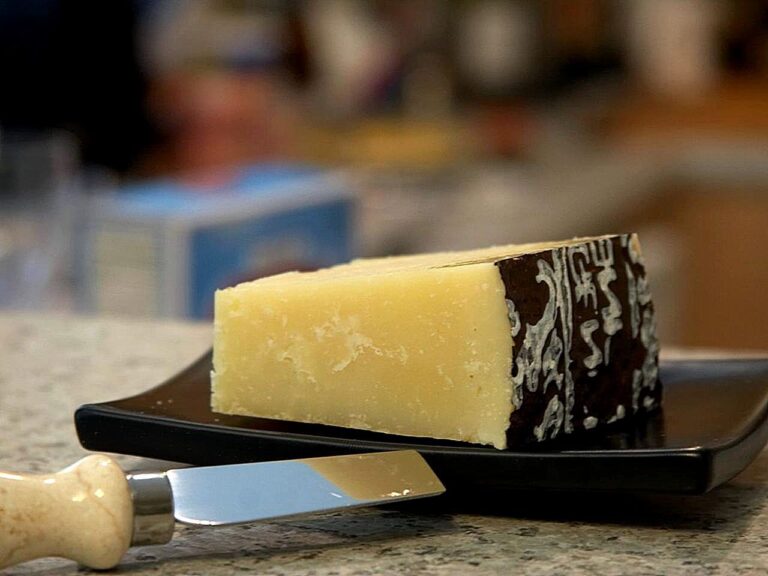
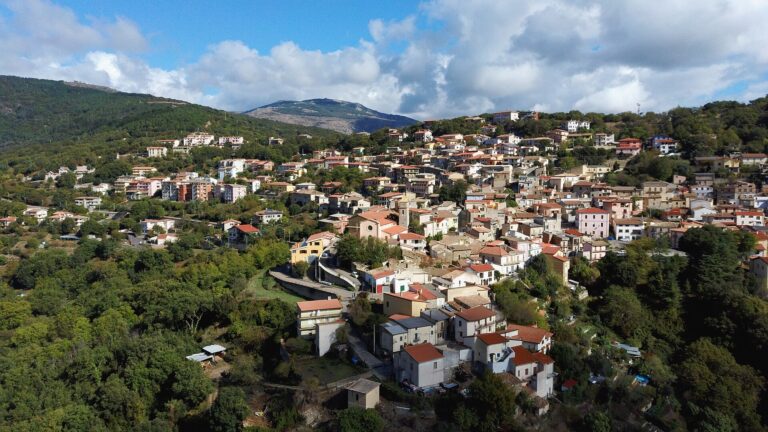
Anyone who has been to a village festival in Sardinia knows the scene: among the stalls there is always a counter stacked with big white blocks of nougat, a long knife and someone cutting slices to sell by weight. Very often that nougat comes from Tonara, a mountain village in the Barbagia area, province of Nuoro, which more than any other place in Sardinia has tied its name to this sweet. Honey, egg white and nuts: three simple ingredients that, with hours of patient work, become one of the island’s most recognisable flavours.
In Tonara, torrone is a craft and a part of local identity. According to Sardegna Turismo, as early as around 1850 the first nougat makers were cooking it in large copper cauldrons called keddargiu. During the 19th century crafts, travelling trade and nougat-making gradually overtook farming and herding in the village, and Tonara’s families carried their nougat to fairs and festivals all over the island. Family workshops still make it by hand today, some of them for several generations. Nearby Aritzo has long shared, and friendly disputed, the title of birthplace of Sardinian nougat.
The traditional recipe is strikingly simple: honey (often Sardinian eucalyptus or wildflower), whipped egg whites and nuts – almonds, walnuts or hazelnuts – set between two sheets of wafer paper. No sugar: the sweetness comes from the honey, which gives it a soft, fragrant character.
The secret is in the work. The honey is warmed until liquid, combined with the egg whites over low heat and stirred vigorously for a long time – one Tonara maker’s recipe mentions about an hour for this stage alone – until the mixture turns white and swells. Only then are the nuts added and the mix poured into moulds. In Desulo you will also find nougat made with strawberry-tree and chestnut honey, while Aritzo is known for walnut and hazelnut versions.
Sardinian nougat is usually bought by weight, cut from the block, and eaten in slices or small pieces at the end of a meal. It is the festival sweet par excellence and a classic at Christmas. It pairs nicely with a strong espresso, a small glass of myrtle liqueur or a Sardinian dessert wine. Kept cool, dry and well wrapped, it lasts a long time.
Go straight to Tonara, where several artisan workshops make and sell nougat all year round. The “Nougat Roads” itinerary suggested by Sardegna Turismo links Tonara, Desulo and Aritzo in about 30 km of Gennargentu woods and mountains. The big date is the Tonara Nougat Festival, traditionally held on Easter Monday. Founded in 1979 and originally held in summer, it later moved to Easter; the 45th edition took place on 6 April 2026 with live demonstrations, tastings, exhibitions, music and folk groups. Check the Comune di Tonara’s official channels for future dates, and ask local workshops whether they offer visits or demonstrations.
Honey, egg white and nuts (almonds, walnuts or hazelnuts) between sheets of wafer paper – traditionally with no added sugar.
Traditionally on Easter Monday, so the date changes every year. Check the municipality’s official channels.
Do you run activities in Sardinia?
Get your own page on Ajò Sardegna: free until 31 May 2027, no commissions, with customer requests coming straight to you. If you like, we prepare the page for you.
Hi!
Can I help you?
Lia is an AI-based virtual assistant and can make mistakes: always check with the operator. Please don't share personal data. Privacy