Things to do in Tonara
Things to do in Tonara, Sardinia: handmade torrone nougat, cowbell makers, chestnut woods and Gennargentu hikes, ancient tombs, festivals and tips.
We are gathering the first experiences for this area. Check back soon, or tell us about an operator you know.
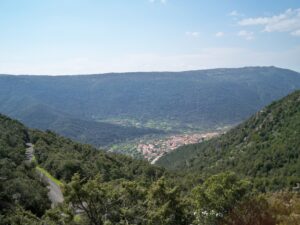
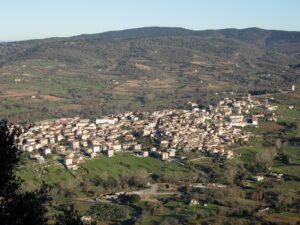
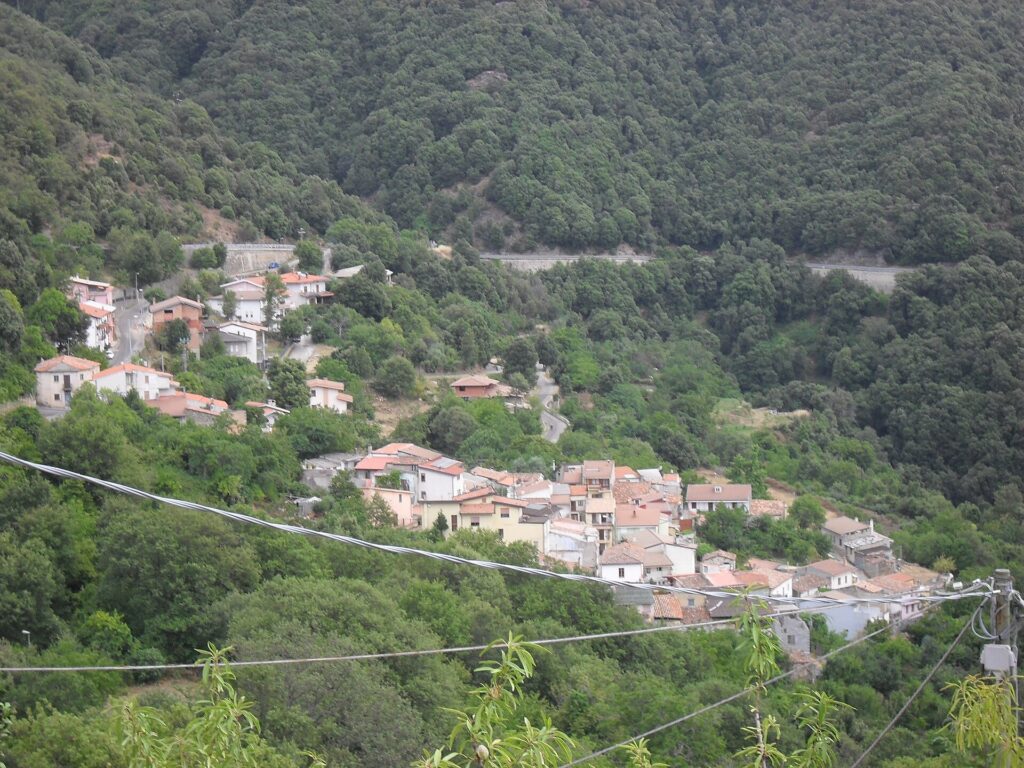
Tonara is a mountain village in the Mandrolisai, in the heart of Sardinia, set between 800 and 900 metres at the foot of Monte Muggianeddu on the edge of the Gennargentu. Surrounded by chestnut, holm oak and hazel woods, it is one of the greenest villages on the island. Across Sardinia its name means one thing: torrone, the local nougat. It's ideal if you love mountains, hiking, craftsmanship and honest flavours.
What to see in Tonara
The historic quarters
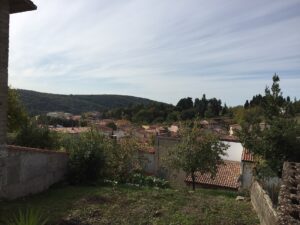
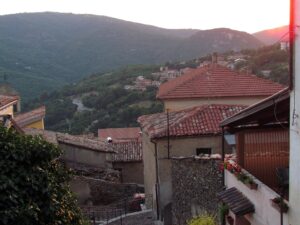
The village grew from several hamlets spread across the slope: Arasulè, the largest and highest, Toneri, with the finest traditional houses, and Teliseri. Wandering their stone lanes, with views over wooded valleys, is the best way to soak up the atmosphere.
The churches
Sixteenth-century Sant'Antonio holds eighteenth-century wall paintings, and the little church of Santa Maria in Arasulè dates from 1607. The parish church of San Gabriele, rebuilt in the nineteenth century, was partly made with stone from the vanished church of Santa Anastasia.
Casa Porru
An imposing manor house that once served as a prison, it now houses an ethnographic museum of old trades, a good introduction to mountain life in the past.
Archaeological sites
At Martì you'll find the domus de janas of Is Forreddos (late fourth millennium BC), a rock-cut tomb with three connected chambers, and nearby the burial cave of Pitzu 'e Toni. On top of a rocky spur stand the remains of the Su Nuratze nuraghe, with traces of a village below.
Things to do in Tonara
Tonara makes a great hiking base: trails for walkers, mountain bikers and riders climb through centuries-old chestnut woods up to Muggianeddu and the Gennargentu peaks, with wide views over central Sardinia. The woods are full of springs and, in autumn, mushrooms and chestnuts. In the village you can visit workshops where torrone is still made by hand, stirred for hours in copper pots, and the forges of the sonaggiargios, the craftsmen who make cowbells for livestock. Vintage-rail fans can look out for the Trenino Verde tourist train, which stops at Desulo-Tonara when the line is running. Below you'll find the experiences offered by local operators: hikes, visits and tastings ready to book.
History
Rock-cut tombs and nuraghi show the area has been lived in since prehistory. Tonara appears in the Middle Ages in the condaghe (monastic register) of Santa Maria di Bonarcado; it belonged to the Mandrolisai district of the Giudicato (medieval kingdom) of Arborea. After the fall of the Giudicato and the defeat of the Marquisate of Oristano in 1478 it passed to the Aragonese, then in the eighteenth century to the County of San Martino, until feudalism was abolished in 1839. In the twentieth century the valley-floor quarter of Ilalà was abandoned. Tonara is the birthplace of the Sardinian-language poet Peppino Mereu (1872–1901), author of the famous Nanneddu meu.
Food and what to buy
The star is Tonara torrone, made from honey, egg white and nuts such as walnuts, hazelnuts and almonds, slowly cooked and cut from large blocks: buy it straight from the workshops. Mountain cooking brings cheeses, cured meats, roasts, chestnuts and woodland mushrooms like Caesar's mushrooms and porcini. Among local crafts, look for cowbells, chestnut-wood chests and rugs woven on upright looms, with geometric patterns in yellow, green and red.
Festivals and traditions
- Sagra del Torrone: founded in 1979 in memory of Peppino Mereu, held around Easter, usually on Easter Monday, with music and folk groups.
- Campanaccio d'oro: the "golden cowbell" contest between local bell makers, held alongside the torrone festival.
- Peppino Mereu poetry prize: late July.
- San Gabriele, the patron saint: early August, with a parade of traditional costumes.
Nearby
- Desulo (about 15 minutes): colourful costumes and the Bruncu Spina summit of the Gennargentu.
- Aritzo (about 25 minutes): chestnuts, the old snow house and carved chests.
- Sorgono (about 20 minutes): the wine heart of the Mandrolisai.
- Belvì: a small village on the Trenino Verde line.
Getting there and when to go
You'll need a car and some scenic mountain roads: Tonara is about an hour and a quarter from Nuoro, around two hours from Cagliari and about an hour and a quarter from Oristano. The handiest airports are Cagliari and Olbia, both around two hours away. The best time is spring to autumn: the torrone festival at Easter, cool summers compared to the coast and autumn colours in the chestnut woods.
Frequently asked questions
When is the Tonara torrone festival?
Around Easter, traditionally on Easter Monday; check the year's programme before you travel.
How long should I spend in Tonara?
Half a day for the village and the torrone workshops; a full day if you add a hike in the woods.
Is Tonara good for families?
Yes: kids love watching torrone being made, and the woodland trails offer easy, shady walks even in summer.