Things to do in Posada
Things to do in Posada, Sardinia: the hilltop village and Castello della Fava, San Giovanni beaches, river kayaking, Tepilora Park and local festivals.
We are gathering the first experiences for this area. Check back soon, or tell us about an operator you know.
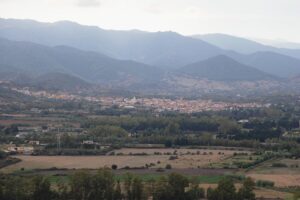
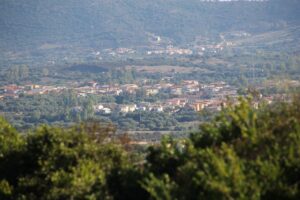
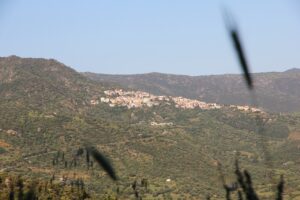
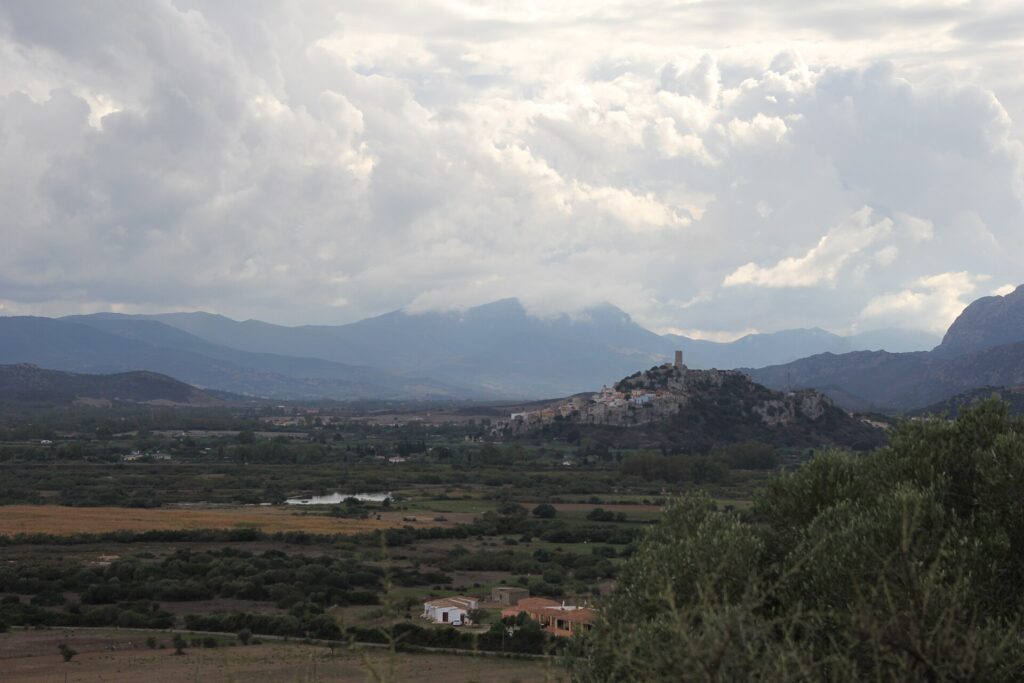
Posada is a village perched on a limestone hill on Sardinia's north-east coast, about 45 minutes' drive from Olbia. From the top, the Castello della Fava overlooks the mouth of the Posada river, its lagoons and a long string of pale sandy beaches. Listed among the Borghi più belli d'Italia (Most Beautiful Villages in Italy), it combines an old centre of lanes and stairways with award-winning clean sea and a large nature park behind. It's ideal for families, couples and nature lovers who want beach and culture in one place.
What to see in Posada
The old village
The historic centre is a maze of alleys, arches, steps and little squares climbing towards the castle, with stone houses and sudden glimpses of the plain and the sea. At its heart stands the parish church of Sant'Antonio abate, dating back to around 1300.
The Castello della Fava
Built by the Judges of Gallura and documented at least from the late thirteenth century, the castle keeps its tall keep and part of its walls. From the top you get a sweeping view of the coast and the Gulf of Posada. The name ("Castle of the Broad Bean") comes from a legend: during a siege, the villagers fed their last broad beans to a pigeon and let it fly towards the enemy, who, finding it well fed, believed the village had plenty of supplies and lifted the siege.
San Giovanni lagoon and the river mouth
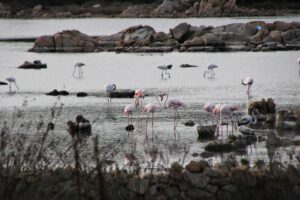
Between the village and the sea lie the river mouth and the San Giovanni lagoon, a wetland where you can spot pink flamingos, black-winged stilts and purple swamphens. It's a great place for birdwatching, especially in spring and autumn.
Things to do in Posada
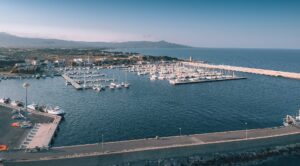
In Posada, the sea alternates with inland nature. You can kayak along the Posada river among reed beds and waterbirds, or try SUP and snorkelling off the beaches. Behind the village lies the Tepilora Nature Park, one of the largest green areas on the island, with forests, springs and lagoons, perfect for hiking, mountain biking and horse riding; nearby is Lake Maccheronis, formed by damming the river. From the nearby port of La Caletta, boat trips head along the coast. Below you'll find experiences offered by local operators: choose between sea, river and park and book yours.
Beaches of Posada
Posada's shoreline is a stretch of about 5 km of medium-fine sand, with blue-green water and gently sloping seabeds, which makes it perfect for children. For years it has earned Legambiente's Cinque Vele (Five Sails) award for clean seas.
- San Giovanni di Posada: the main beach, in the hamlet of the same name, backed by pine woods and with facilities; easy for families.
- Su Tiriarzu: wide and quiet, with dunes and Mediterranean scrub.
- Iscraios and Sutt'e Riu: wilder stretches to the north, great if you want space.
- Orvile: at the northern end of the gulf, unspoilt with crystal-clear water.
History
The hill of Posada was already inhabited in the Nuragic era, and the ancient city of Feronia, mentioned by the geographer Ptolemy, probably stood nearby, though its exact site is unknown. In the Middle Ages Posada was the capital of a district of the Giudicato (medieval kingdom) of Gallura, under Pisan influence; neighbouring villages were abandoned because of floods, malaria and war. In 1431 King Alfonso V of Aragon granted it to the Carroz family as a barony, and Posada became the historic centre of the Baronia. The fief was only bought back by the House of Savoy around 1860.
Food and what to buy
The cooking blends sea and countryside: fish and seafood, but also roast meats, sheep's cheeses and sausage. For the feast of Sant'Antonio two traditional sweets are made by hand: sos cogoneddos and s'aranzada, made with candied orange peel, honey and almonds. From Siniscola, a few minutes away, comes pompìa, the citrus fruit typical of the Baronia.
Festivals and traditions
- Sant'Antonio abate, the patron saint (mid-January): a great bonfire of rockrose circled three times in procession, followed by a street party with roast sausage, wine and sweets.
- Madonna del Soccorso: the first Sunday after Easter, deeply felt.
- San Michele: late September, a country festival at the sanctuary.
Nearby
- Siniscola and La Caletta (about 15 minutes): beaches and Monte Albo.
- Budoni (about 15 minutes): long beaches and small hamlets.
- San Teodoro (about 25 minutes): La Cinta beach and its flamingo lagoon.
- Tepilora Park: woods and trails between Bitti, Lodè and Torpè.
Getting there and when to go
Posada lies along the SS 131 DCN and the SS 125. Olbia airport and port are about 45 minutes away by car. Summer is beach season, with July and August the busiest; June and September offer warm water and more peace. Spring and autumn are perfect for Tepilora, birdwatching and kayaking on the river.
Frequently asked questions
Is Posada good for families?
Very: the beaches have shallow, sandy seabeds, and children love the castle and kayaking on the river.
How many days do I need in Posada?
The village takes half a day; 3–4 days are ideal to mix beach, river and Tepilora Park.
Why is it called the Castle of the Broad Bean?
Because of the legend of the pigeon fed with the last broad beans during a siege, to make the enemy believe the village still had plenty of food.