Things to do in Siniscola
Things to do in Siniscola, Sardinia: Berchida, Capo Comino, La Caletta and Santa Lucia beaches, Monte Albo hikes, pompìa sweets and travel tips.
We are gathering the first experiences for this area. Check back soon, or tell us about an operator you know.
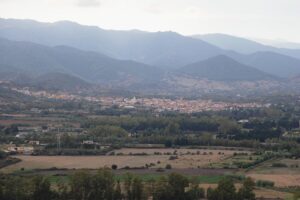
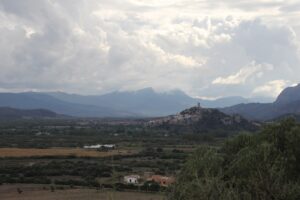
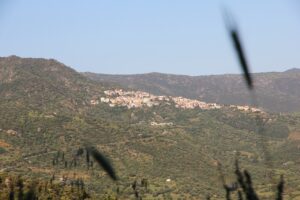
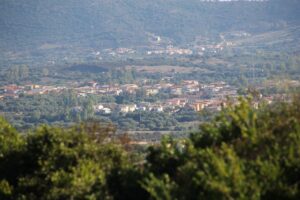
Siniscola is the main town of the Baronia, on Sardinia's east coast, about 50 minutes' drive from Olbia. The town lies at the foot of Monte Albo, a white limestone mountain nicknamed "the Sardinian Dolomites", while its territory runs down to miles of beaches, dunes and pine woods in the coastal hamlets of La Caletta, Santa Lucia and Capo Comino. It blends sea, nature and tradition, and suits families, hikers, kitesurfers and anyone who loves beaches that are still largely unbuilt.
What to see in Siniscola
The old town
The town has an old core of medieval origin, with stone houses and small squares. The eighteenth-century parish church of San Giovanni Battista is the centre's landmark; the Rosario and Grazie churches are also worth a stop, the latter linked to the town's most heartfelt festival.
Monte Albo
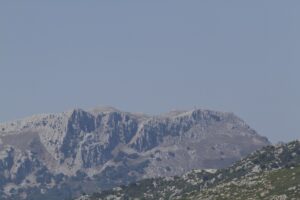
Monte Albo is a long limestone ridge towering over the Baronia with its pale cliffs. The top looks almost lunar, with sinkholes and caves, and is home to mouflon, golden eagles and choughs. On its slopes you'll find nuraghi such as Sas Piperas and Punta Nurache, and caves like Sa Prejone 'e s'Orcu.
Santa Lucia and its tower
Santa Lucia is an old fishing village, with low houses around the square and a sixteenth-century Spanish coastal tower built against pirates: in 1581 it fought off a Barbary raid, and today it features on the town's coat of arms.
Capo Comino
At the southern tip of the territory, Capo Comino is a granite headland with huge dunes, ancient junipers and the Salina Manna and Salinedda lagoons behind; offshore sits an islet with a small lighthouse. The area also has nuraghi and giants' tombs.
Things to do in Siniscola
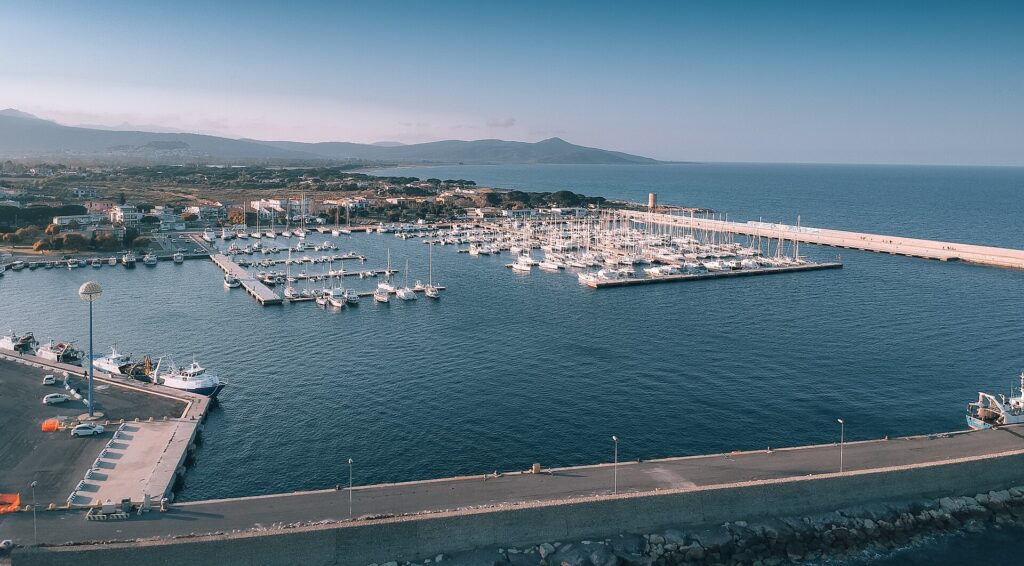
The sea takes centre stage: from the marina at La Caletta, boat and RIB trips explore the coast, and the clear waters of Capo Comino and Berchida are ideal for snorkelling, SUP and kayaking. When the wind blows, the long open beaches become perfect for windsurfing and kitesurfing. Inland, Monte Albo offers hiking, climbing, caving and horse riding, with views stretching from the sea to the Gennargentu. By bike you can ride among pine woods, lagoons and country roads. Local operators offer boat trips, water sports and guided mountain outings: you'll find them below, ready to book.
Beaches of Siniscola
- La Caletta: about 5 km of golden sand next to the marina, backed by pine woods and a lagoon; easy, well served and perfect for families.
- Santa Lucia: a long, pale beach in front of the village and its tower, with pine shade.
- S'Ena e Sa Chitta: a more natural stretch between Santa Lucia and Capo Comino, loved by those seeking peace.
- Capo Comino and Sa Petra Ruja: towering dunes, pinkish rocks and turquoise water, one of the finest postcards on the east coast.
- Berchida: south of Capo Comino, a long white-sand beach with emerald water in an almost untouched setting with no buildings.
A little further south, already in the municipality of Orosei, is the Bidderosa oasis.
History
The area has been inhabited since the Neolithic, as finds at Capo Comino show, and is rich in nuraghi. In the Middle Ages Siniscola belonged to the Posada district of the Giudicato (medieval kingdom) of Gallura, then passed to Pisa and Aragon; from 1431 it was one of the villages of the barony of Posada. In the sixteenth and seventeenth centuries the coast was fortified with towers against pirate raids. The fief was bought back around 1860. After a twentieth century marked by emigration, the town grew thanks to tourism and industry, and in 2013 it was granted city status.
Food and what to buy
The signature product is pompìa, an ancient knobbly citrus fruit that grows almost only here and is protected as a Slow Food presidium. It's used for sweets such as pompìa intrea, the whole fruit candied in honey, and s'aranzada. At the table you'll also find suppa thiniscolesa, a bread-and-cheese soup cooked in broth, along with roast meats, pecorino and Cannonau wine. On the coast, fresh fish and seafood rule.
Festivals and traditions
- Sant'Antonio abate (mid-January): traditional bonfires.
- Carnival and Holy Week: rites and parades following the religious calendar.
- Nostra Signora delle Grazie: mid-October, the most heartfelt festival, with processions, costumes and music.
Nearby
- Posada (about 15 minutes): the village of the Castello della Fava.
- Orosei and Bidderosa (about 30 minutes): beaches and protected pine woods.
- Lula (about 30 minutes): on the inland side of Monte Albo, with the sanctuary of San Francesco.
- Tepilora Park: inland woods and trails.
Getting there and when to go
Siniscola is reached via the SS 131 DCN linking Olbia and Nuoro. Olbia airport and port are about 50 minutes away, Nuoro about 45. Beach season runs from June to September, with August the busiest; spring and autumn are ideal for Monte Albo and quiet beaches. The Grazie festival falls in mid-October.
Frequently asked questions
What is the best beach in Siniscola?
Many choose Berchida for its white sand and untouched landscape, but Capo Comino with its dunes is just as spectacular; La Caletta is the easiest for families.
Is Siniscola good for families?
Yes: La Caletta and Santa Lucia have long beaches with gently sloping seabeds, facilities and shady pine woods.
How many days do I need for Siniscola?
At least 3–4 days to alternate the different beaches with a hike on Monte Albo.