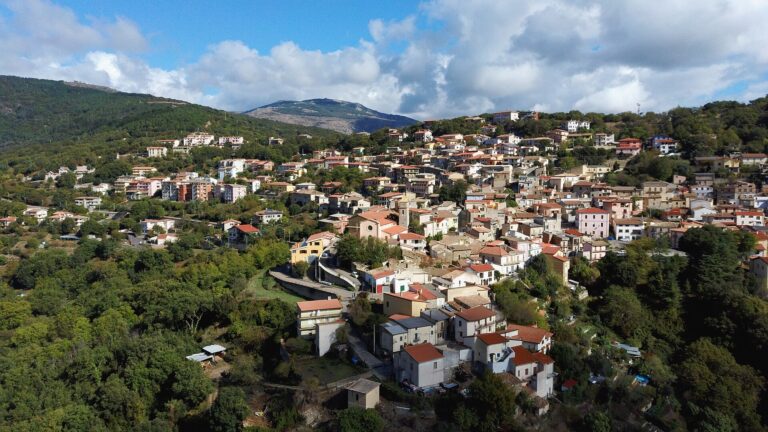
Autunno in Barbagia in Gadoni 2026: Cortes Apertas
Price on request Discover
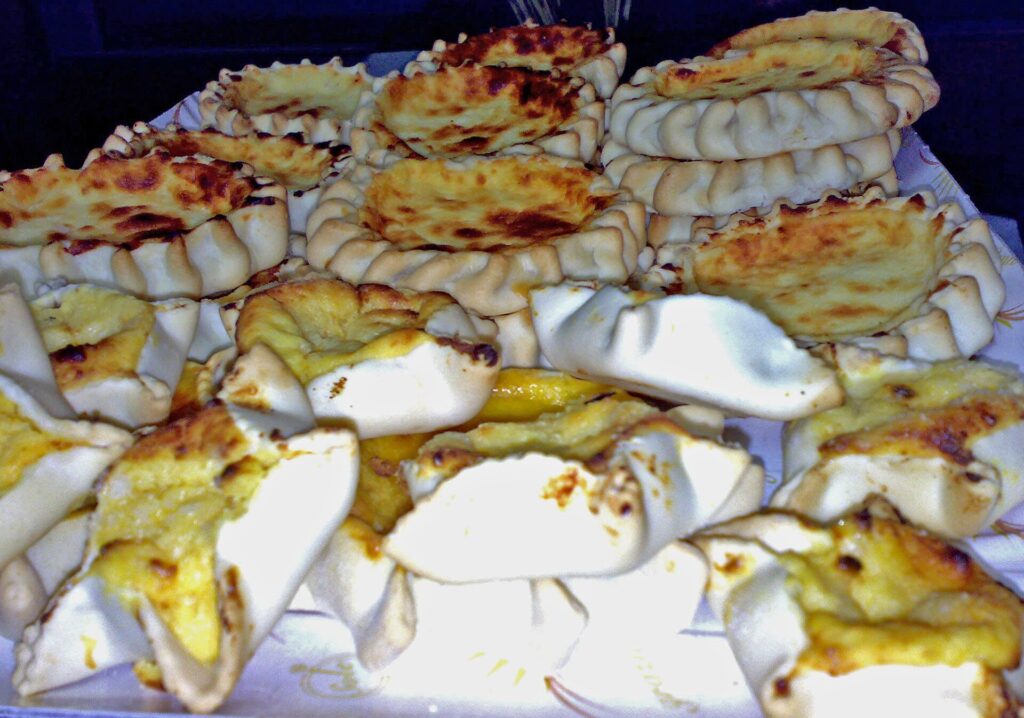
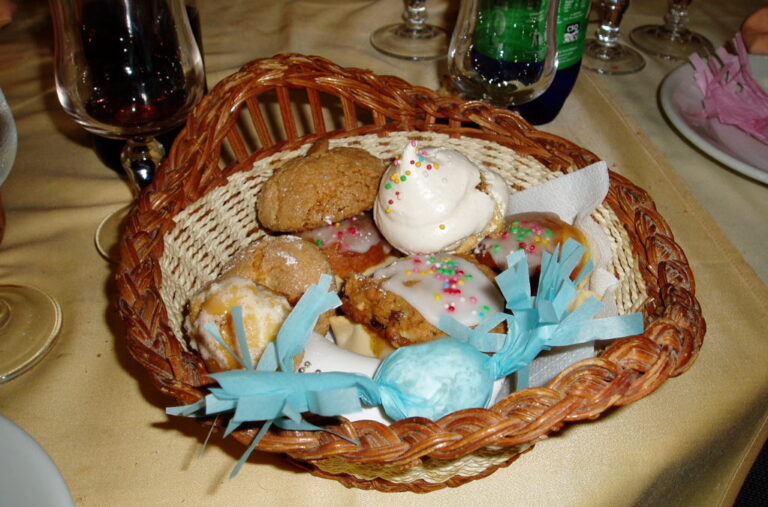
A little basket of thin pastry, edges pinched by hand, and inside a soft heart of ricotta scented with lemon and saffron. Dust it with icing sugar and you have Easter, Sardinian style. Pardulas are the island’s classic Easter sweet, and their name changes as you travel: casadinas in Barbagia and around Nuoro, formagelle around Sassari, casgiaddine in Gallura. Same idea, a hundred family recipes.
Pardulas come from the home kitchen and the shepherd’s calendar. In spring the ewes give plenty of milk and the ricotta is at its best, so baking cheese pastries for Easter was the natural way to celebrate the end of Lent. In the days before the feast, women of the family and the neighbourhood would gather to knead, fill and bake dozens of them to share with relatives and guests.
The name casadinas comes from casu, cheese, used instead of ricotta in the Nuoro area. The origin of pardulas is uncertain: several theories exist, none proven.
The pastry is simple: semolina and flour, a fat (lard or, today often, vegetable margarine), water and salt, rolled thin. The filling depends on where you are:
Pardulas have no PDO or PGI, but they are listed among the Traditional Agri-food Products (PAT) of the Region of Sardinia, under confectionery, with formagelle and casadinas as synonyms and the whole island as production area.
Eat them at room temperature or just warm, dusted with icing sugar: for breakfast on Easter morning, after lunch or with an afternoon coffee. Keep leftovers in the fridge, as the filling is fresh. A Sardinian dessert wine pairs beautifully: Malvasia di Bosa, Moscato di Sardegna or Nasco di Cagliari.
Around Easter you’ll find pardulas in almost every pastry shop and bakery, from Cagliari and the Campidano to Nuoro and Sassari; many artisan bakeries, especially in the south, make them all year. Even better, join a traditional pastry workshop at a farm stay or with a local family and learn to pinch the edges yourself.
Mainly the filling: southern pardulas use ricotta, casadinas from central and northern Sardinia use fresh sheep’s cheese, often with raisins.
Easter is their traditional time, but many pastry shops now bake them year-round.
Two or three days in the fridge, covered. Let them come back to room temperature before serving.
Do you run activities in Sardinia?
Get your own page on Ajò Sardegna: free until 31 May 2027, no commissions, with customer requests coming straight to you. If you like, we prepare the page for you.
Hi!
Can I help you?
Lia is an AI-based virtual assistant and can make mistakes: always check with the operator. Please don't share personal data. Privacy