Things to do in Nuoro
Things to see in Nuoro, Sardinia: Deledda Museum, Costume Museum, MAN, Monte Ortobene and the Redentore, the August festival and local food.
We are gathering the first experiences for this area. Check back soon, or tell us about an operator you know.
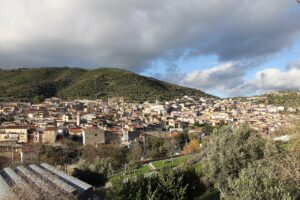
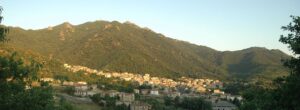
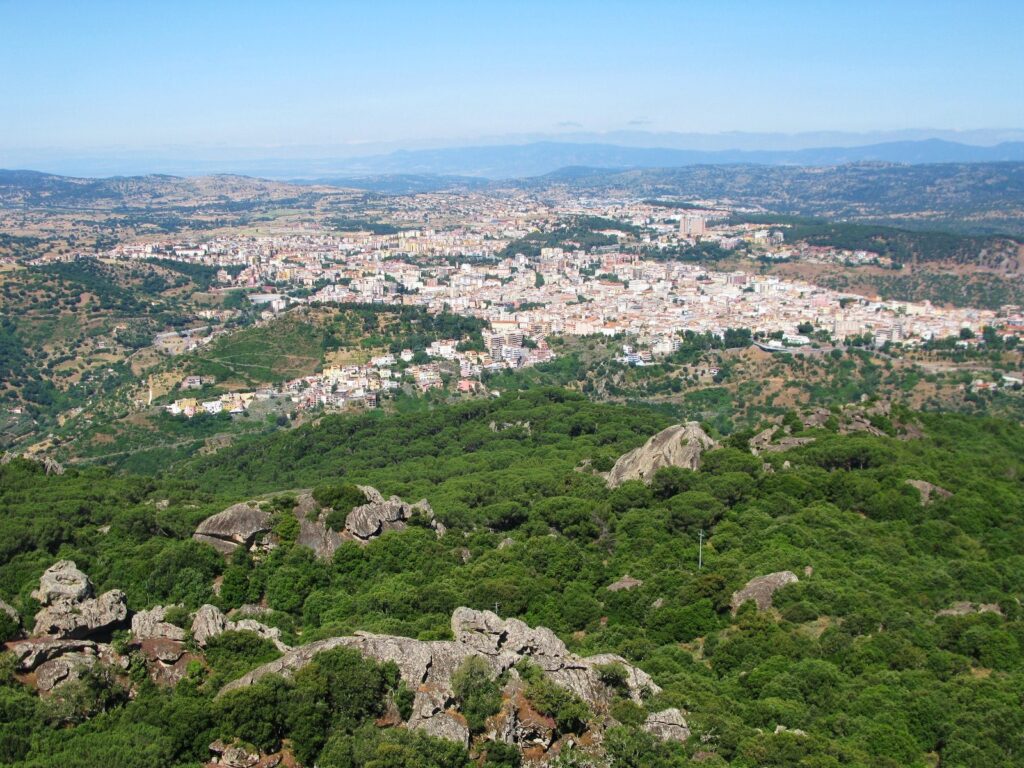
Nuoro is the capital of the Barbagia and one of Sardinia's most surprising towns: it sits on a granite plateau at about 550 metres, at the foot of Monte Ortobene, in the heart of the island. Between the 19th and 20th centuries it was nicknamed the Athens of Sardinia for the talents born here, starting with Grazia Deledda, winner of the 1926 Nobel Prize in Literature. Today it offers first-rate museums, a compact old town, mountains minutes away and, less than an hour away, the sea of the Gulf of Orosei. It is perfect for lovers of culture, literature and traditions, and a handy base for exploring the Nuoro area.
What to see in Nuoro
The Deledda Museum and the Santu Predu quarter
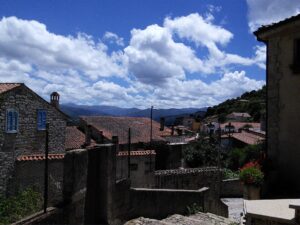
The Museo Deleddiano is dedicated to Grazia Deledda, the only Italian woman to win the Nobel Prize in Literature, and is housed in her birthplace in the historic quarter of Santu Predu. The rooms, courtyard and family objects bring to life the world of her novels. Strolling the lanes of Santu Predu, the shepherds' quarter, and Seuna, the farmers' quarter, helps you picture old Nuoro.
The Costume Museum
The Museum of Sardinian Life and Folk Traditions, known as the Costume Museum and run by the regional ethnographic institute ISRE, was founded in 1972 and is the island's leading ethnographic museum. It holds hundreds of traditional costumes, jewellery, textiles, masks and ritual breads from all over Sardinia: worth the trip on its own.
MAN, the Nuoro art museum
MAN alternates international temporary exhibitions with a permanent collection of 19th- and 20th-century Sardinian artists. It is one of Italy's liveliest contemporary art museums.
The National Archaeological Museum
It displays finds from the Palaeolithic to the late Middle Ages from the surrounding area, with a focus on the Nuragic civilisation and its bronze figurines.
Piazza Satta and the centre
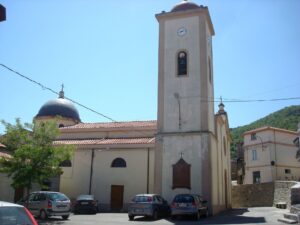
Piazza Sebastiano Satta, named after the local poet, is a small work of art: sculptor Costantino Nivola transformed it with granite boulders and small bronze statues of the poet. From here you reach Corso Garibaldi, the main promenade, and the Cathedral of Santa Maria della Neve, a neoclassical church consecrated in 1853.
The Chiesa della Solitudine
At the foot of the Ortobene stands the Chiesa della Solitudine, where Grazia Deledda is buried; inside there is also a tribute to the writer by artist Maria Lai. Sculptor Francesco Ciusa rests in the church of San Carlo, beneath a copy of his famous work La madre dell'ucciso (The Mother of the Murdered Man).
Monte Ortobene and the Redentore
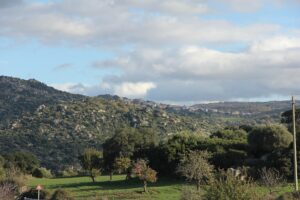
Nuoro's symbolic mountain rises to 955 metres a few kilometres from town. Through holm oaks and granite boulders you climb to the large bronze statue of Christ the Redeemer, erected in 1901, with views over the town, the Supramonte and the Cedrino valley. It is the locals' favourite spot for walks and picnics.
Things to do in Nuoro
Nuoro is a town to enjoy on foot and a perfect base for trips across central-eastern Sardinia.
- Literary trails: follow Deledda, Sebastiano Satta and Salvatore Satta (author of The Day of Judgement) through houses, churches and squares.
- Hiking and mountain biking on the Ortobene: trails through woods and granite with views of the Supramonte.
- Supramonte excursions: in under half an hour you reach Oliena, Su Gologone and the Lanaittu valley, gateway to the Nuragic village of Tiscali.
- 4x4 tours: off-road tracks through the Barbagia and Supramonte with local guides.
- Sea and boats: in about 45 minutes you are in Cala Gonone, where boat trips leave along the Gulf of Orosei.
- Culture and flavours: Cannonau and cheese tastings, craft workshops, lunches with shepherds nearby.
Scroll down to find the experiences offered by operators in Nuoro and the surrounding area, from cultural tours to Supramonte excursions, ready to book.
History
The area has been inhabited since prehistory and has nuraghi and Nuragic villages on the hills around the town. For centuries Nuoro was a large village of shepherds and farmers, split between the quarters of Santu Predu and Seuna. In 1868 it saw the Su Connottu ("the known ways") uprising, a popular revolt against the sale of common land. Between the late 19th and early 20th centuries it enjoyed an extraordinary cultural season with Grazia Deledda, Sebastiano Satta, Francesco Ciusa and others, earning the name Athens of Sardinia. In 1927 it became a provincial capital and grew into the administrative and cultural centre of inland Sardinia.
What to eat and buy
Nuoro's cooking is pure Barbagia: pane carasau and pane guttiau (carasau flatbread with oil and salt), pecorino cheeses, cured meats, roast suckling pig and lamb, hand-made pasta soups. The rarest speciality is su filindeu ("threads of God"), an ultra-fine pasta stretched by hand by very few women and served in mutton broth at the feast of San Francesco di Lula. For dessert, try seadas, cheese pastries with honey, and the almond sweets of festive days. To take home: Cannonau wine, pecorino, honey, traditional textiles and jewellery, ceramics and art from local workshops.
Festivals and traditions
- Sant'Antonio Abate (mid-January): bonfires in the historic quarters.
- San Francesco di Lula (early May and early October): Nuoro's pilgrimage to the sanctuary of Lula, with communal meals and su filindeu.
- Sagra del Redentore (late August): the town's biggest festival lasts about a week, with a grand parade of traditional costumes from all over Sardinia, singing and dancing groups, and ends on 29 August with a procession and mass at the foot of the statue on the Ortobene.
- Mastros in Nugoro (November): historic houses and museums open in Santu Predu and Seuna, with craftsmen at work and local flavours.
Nearby
- Oliena and Su Gologone: Monte Corrasi, the island's most famous karst spring and the Lanaittu valley, about 20 minutes away.
- Orgosolo: the village of murals, about half an hour away.
- Mamoiada: the Mamuthones, the mask museum and Cannonau wineries, about 20 minutes away.
- Cala Gonone and the Gulf of Orosei: caves, coves and boat trips, about 45 minutes away.
- Orune and Su Tempiesu: one of the best-preserved Nuragic sacred wells, about half an hour away.
Getting there and when to go
The nearest airport is Olbia Costa Smeralda, about an hour and a quarter away on the SS131 DCN, which also links Nuoro with Olbia's ferry port; Cagliari Elmas is just over two hours away on the SS131, Alghero about an hour and three quarters. Regional buses and a railway line to Macomer serve the town. Nuoro is pleasant all year: spring and autumn are ideal for museums and hiking, summer brings the Redentore festival and nearby beaches, winter the fire festivals and carnivals of the surrounding villages.
Frequently asked questions
How many days do I need for Nuoro?
A full day covers the main museums and the Ortobene; with three or four days you can use Nuoro as a base for the Supramonte, the Barbagia and the Gulf of Orosei.
Is Nuoro by the sea?
No, Nuoro is inland, but the beaches of the Gulf of Orosei and Cala Gonone are about 40–45 minutes' drive away.
Is Nuoro good for families?
Yes: children enjoy the Costume Museum, and the Ortobene offers fresh air, woods and picnic areas minutes from the centre.
When is the Redentore parade?
Traditionally in late August, during the week of the Sagra del Redentore, which ends on 29 August.