FUN_GO in Iglesias 2026: mushrooms, cooking and art
Price on request Discover
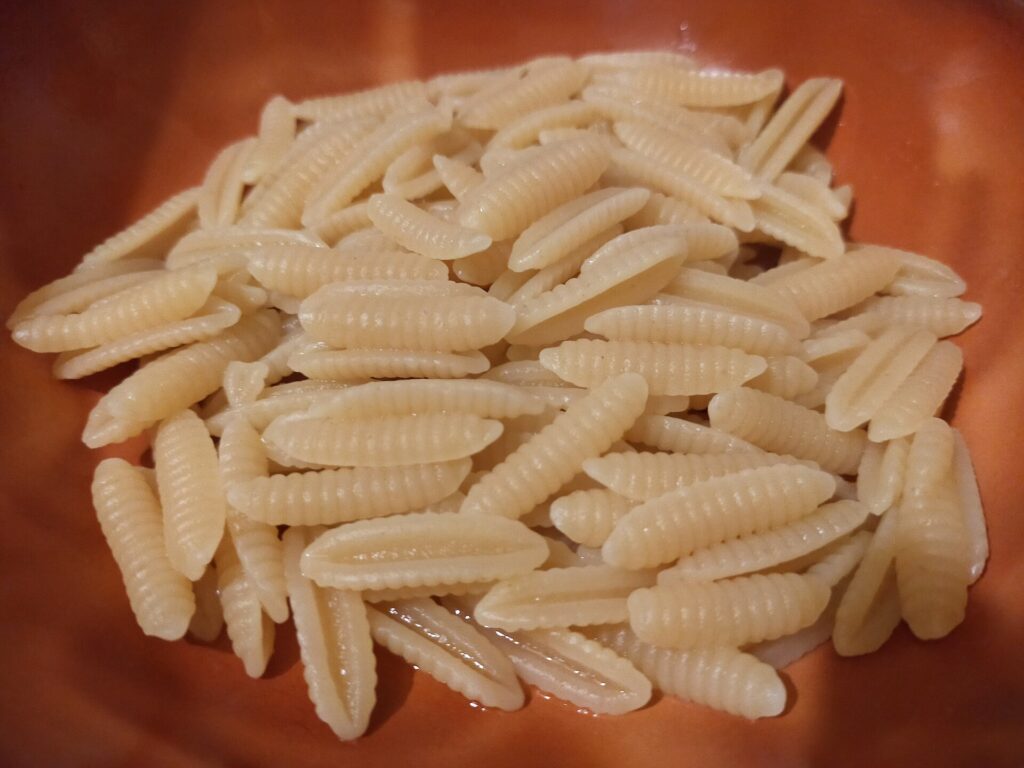
Ask a Sardinian which dish means celebration – the one served at family lunches, weddings and village festivals – and many will answer malloreddus alla campidanese. Small ridged semolina dumplings, a ragù of Sardinian sausage and tomato scented with saffron, and a snowfall of pecorino. A handful of island ingredients, and a taste of Sunday.
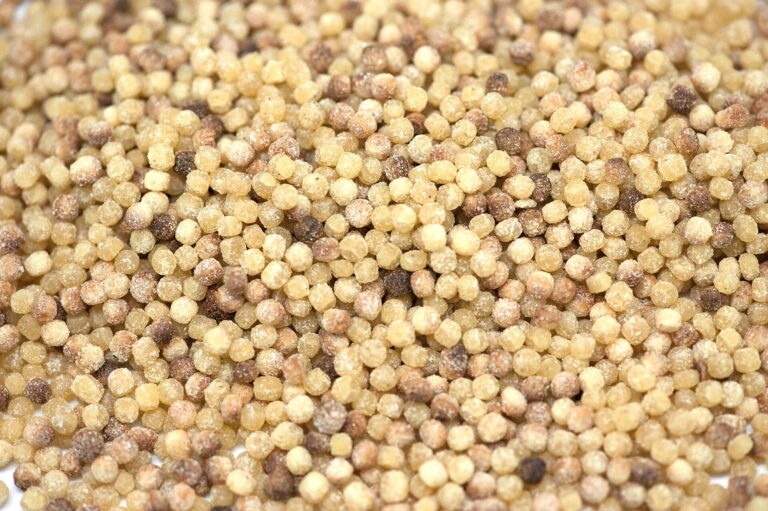
Malloreddus are considered one of Sardinia’s oldest pasta shapes. The name probably comes from the Latin mallolus, a small piece of dough; a fonder theory links it to the Campidanese word malloru, bull, making them “little calves”. Outside Sardinia they are sold as gnocchetti sardi.
The dough is just durum-wheat semolina and water; saffron was once kneaded straight into it. Grandmothers rolled thin ropes, cut them into nubs and pressed each one with a thumb against su ciuliri, a woven sieve, leaving the trademark ridges that grab the sauce. Without a sieve, a wooden board made smooth ones.
Because they were made at home in large batches, malloreddus became the dish for feasts, village festivals and weddings.
The Campidano version calls for crumbled Sardinian sausage browned with olive oil and onion, then simmered slowly with tomato; saffron goes in near the end so its aroma stays bright.
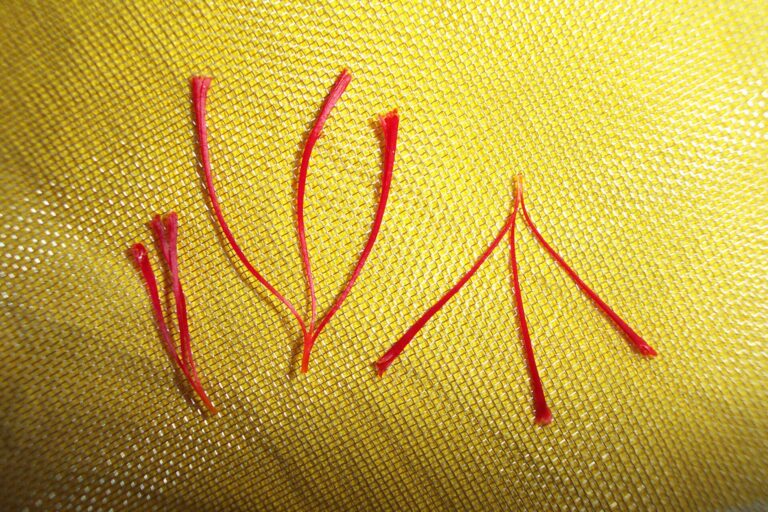
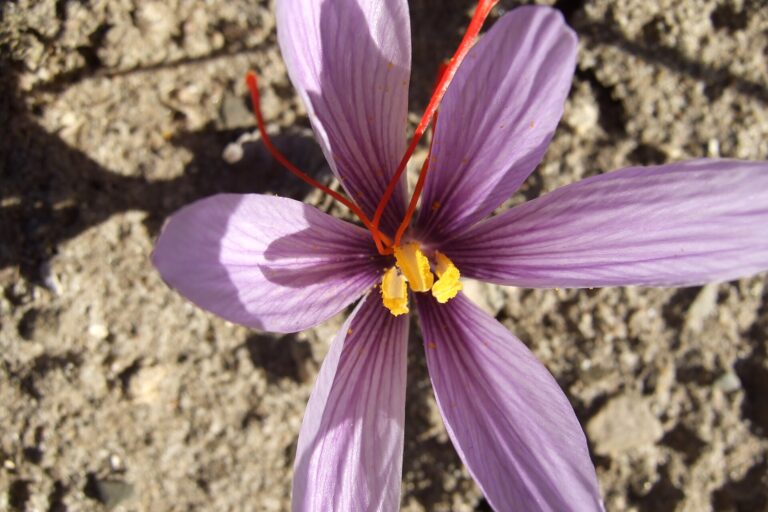
Malloreddus and gnocchetti are listed among Sardinia’s Traditional Agri-food Products (PAT). The dish has no PDO or PGI, but its key spice does: Zafferano di Sardegna PDO, recognised in 2009 and grown in San Gavino Monreale, Turri and Villanovafranca. Pair it with a Pecorino Sardo PDO and you stay entirely on the island.
Serve them piping hot, with a thick sauce and plenty of freshly grated pecorino. It is a hearty first course that often opens a festive meal before the roasts. Try it with a robust Cannonau di Sardegna or a softer Monica di Sardegna. Home tip: give the sauce at least an hour and drain the pasta al dente so it finishes in the pan.
You will find them all over Sardinia, but the heart of the tradition is the Campidano: trattorias and farm stays around Cagliari, Sanluri, Serramanna, Villacidro and San Gavino Monreale almost always have them. San Sperate, the village of murals, has hosted a malloreddus festival over several editions – check local listings before you go. In autumn, the saffron festivals in San Gavino Monreale, Turri and Villanovafranca are perfect for tasting dishes made with local saffron. And a pasta workshop at a farm stay will teach you to ridge them by hand.
Yes: malloreddus is the Campidanese name, gnocchetti sardi the Italian one used on packets.
In the Campidano recipe, yes – it gives the sauce its colour and fragrance. A small pinch is enough.
Do you run activities in Sardinia?
Get your own page on Ajò Sardegna: free until 31 May 2027, no commissions, with customer requests coming straight to you. If you like, we prepare the page for you.
Hi!
Can I help you?
Lia is an AI-based virtual assistant and can make mistakes: always check with the operator. Please don't share personal data. Privacy