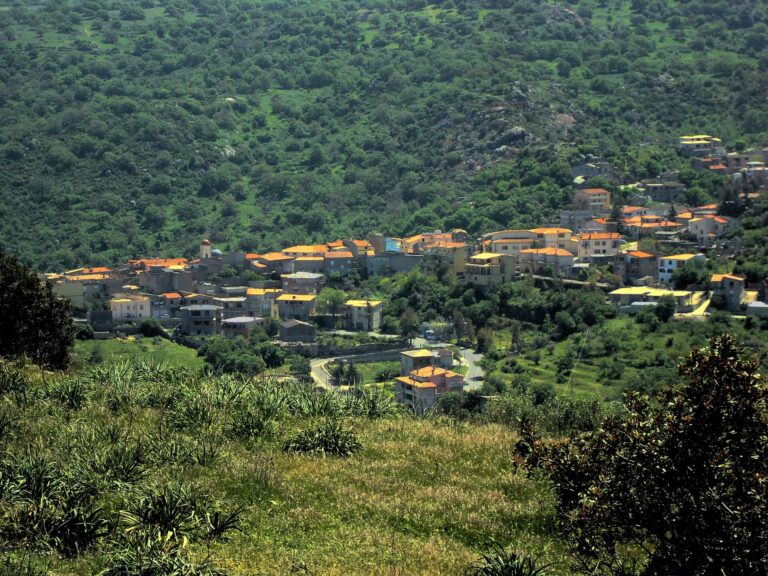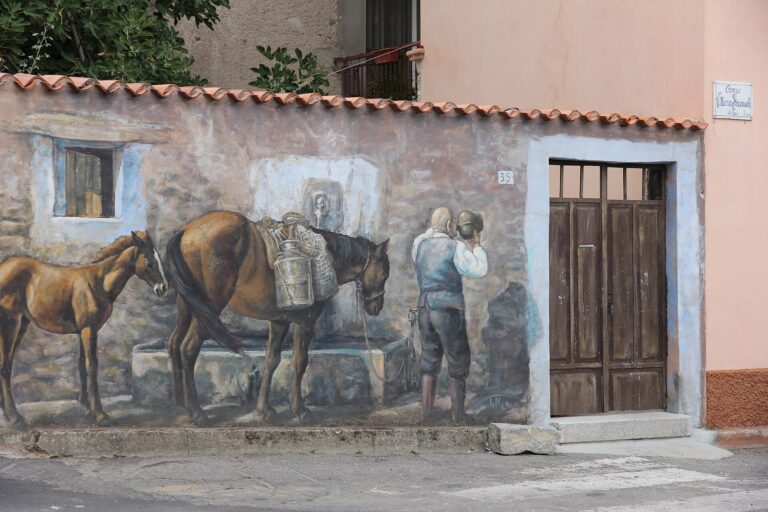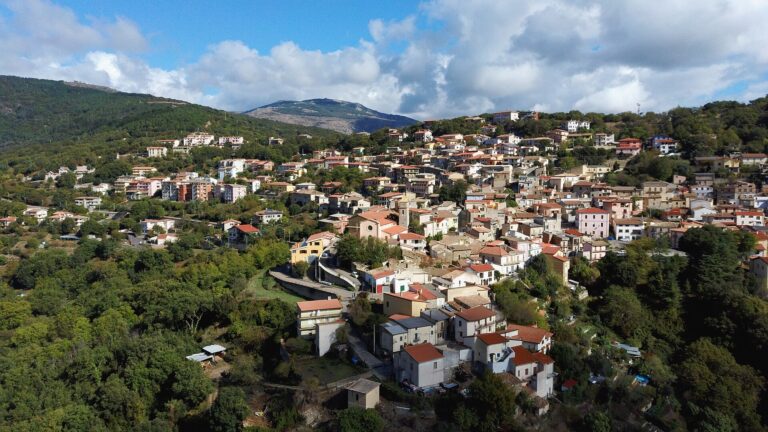
Autunno in Barbagia in Gadoni 2026: Cortes Apertas
Price on request Discover
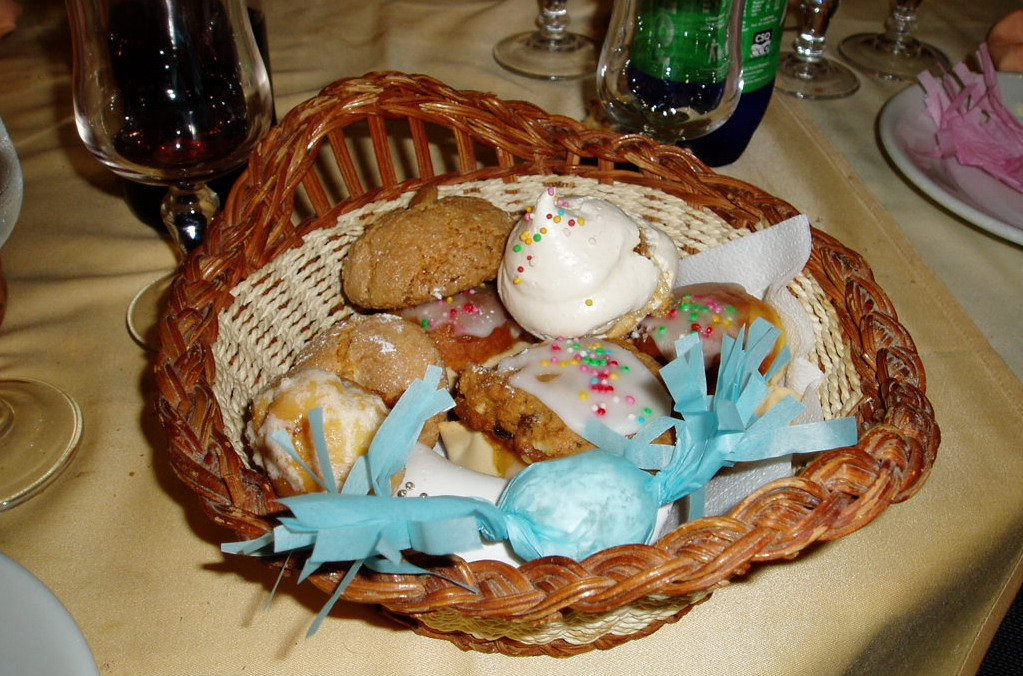
Early November in Sardinia smells of raisins, toasted almonds, orange zest and a hint of aniseed. That is the scent of papassinos, the biscuits Sardinian families bake for All Saints’ Day and the Day of the Dead, and which then quietly stay on the table until Christmas. In the centre-north they are pabassinos, in the south papassinus, around Nuoro some say papassinas.
The name comes from papassa, the Sardinian word for raisins. Sardegna Turismo calls them “November sweets”, created for the first days of the month and later baked for every kind of celebration.
Around All Saints’ Day many families return to their home villages, bake papassinos in large batches and share them with relatives, neighbours and visitors. On the eve, in many villages, children still go door to door for su mortu mortu, asking for a treat “for the souls” – and papassinos often end up in their bags. It is a local custom far older than imported pumpkins.
The dough is simple: flour, lard, sugar, raisins, roughly chopped almonds and walnuts, and citrus zest. It is rolled about a centimetre thick and usually cut into diamonds. According to Sardegna Turismo, in the Campidano they are flavoured with cinnamon, vanilla or sapa (slow-cooked grape must), while in the Barbagia and Logudoro areas citrus peel, wild fennel seeds or aniseed are preferred. Sapa makes them darker and richer. Some recipes add eggs for a crumblier biscuit, others leave them out.
Many papassinos wear a white “cap” of egg-white and icing-sugar glaze, scattered with coloured sprinkles that older Sardinians call traggera; at Christmas silver dragées appear too. Others stay plain and golden. In Orgosolo, in the Barbagia, there is also papassinu nieddu, a dark version made with semolina, honey, raisins, almonds, walnuts, aniseed and fennel seeds.
Papassinos have no PDO or PGI, but they are listed among Sardinia’s Traditional Agri-food Products (PAT), the official register of recipes handed down for at least 25 years. The papassinu nieddu of Orgosolo appears on the same regional list.
Eat them with your hands, after a meal or with coffee. The classic pairing is a Sardinian dessert or meditation wine such as Vernaccia di Oristano (some bakers add it to the dough), Malvasia or Moscato. Stored in a tin, they keep for weeks.
You will find papassinos in traditional bakeries and pastry shops all over Sardinia, especially between late October and Christmas. For papassinu nieddu, head up to Orgosolo; in Ittiri, in the Logudoro, pabassinos are a festive favourite. Many villages host Sardinian pastry workshops, a lovely way to learn from people who have been making them all their lives.
Yes: the same biscuit with different local names. Spices, shapes and icing change from village to village.
Traditionally for All Saints’ Day and the Day of the Dead in early November, though they are now sold until Christmas and often all year round.
It depends on the recipe: many traditional versions use lard and no eggs, others add eggs, and the glaze contains egg white. If you have allergies, always ask the bakery.
Do you run activities in Sardinia?
Get your own page on Ajò Sardegna: free until 31 May 2027, no commissions, with customer requests coming straight to you. If you like, we prepare the page for you.
Hi!
Can I help you?
Lia is an AI-based virtual assistant and can make mistakes: always check with the operator. Please don't share personal data. Privacy