Things to do in Orgosolo
Things to do in Orgosolo, Sardinia: the famous murals, Supramonte hikes, Montes forest, lunch with shepherds, canto a tenore and the August festival.
We are gathering the first experiences for this area. Check back soon, or tell us about an operator you know.
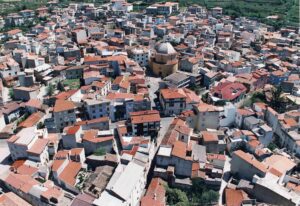
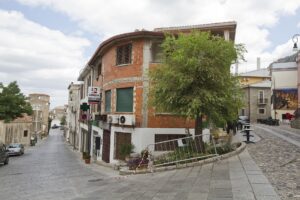
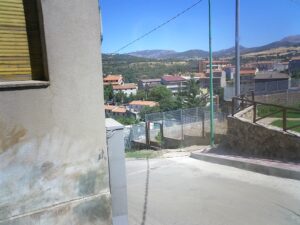
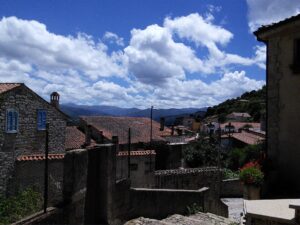
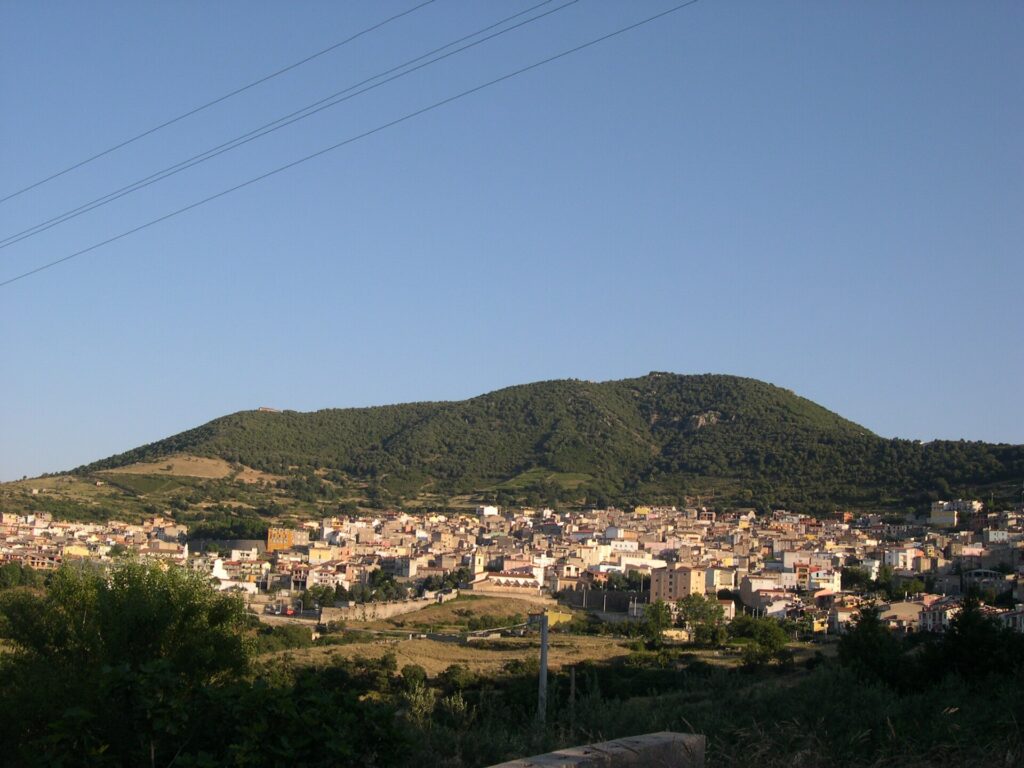
Orgosolo is a shepherds' village in the heart of Barbagia, at about 620 metres and roughly half an hour's drive from Nuoro. It is world-famous for its murals, which turn the house fronts into a huge story of history, social struggle and everyday life. Behind it lies the Supramonte, one of the wildest landscapes in Italy, with limestone plateaus, ancient forests and deep gorges. It's the place to go if you want the most authentic side of Sardinia: curious travellers, hikers and anyone interested in folk culture will love it.
What to see in Orgosolo
The murals
The first mural was painted in 1969 by a collective from Milan; from 1975 the teacher Francesco Del Casino and his pupils painted many more along the main street, and local and foreign artists followed. Today there are well over 150: they tell of shepherds and work, wars and rights, Sardinian and world events, often in a style close to Cubism. Walking along Corso Repubblica and the side streets feels like leafing through an open-air history book.
The village and its churches
The village has several old churches: the fourteenth-century parish church of San Pietro, little Sant'Antonio, one of the oldest, fifteenth-century San Nicola and the seventeenth-century church of the Assunta. Among the stone houses you can still feel a community deeply attached to its traditions.
Montes forest and Monte Novo San Giovanni
South of the village stretches the Montes forest, with centuries-old holm oaks, yews, holly and junipers and the pinnettos, shepherds' huts of stone and wood. The Cedrino river rises here, at the Funtana Bona spring. Above it all towers Monte Novo San Giovanni, a limestone peak of over 1,300 metres with endless views over the Supramonte and the Gennargentu.
The Supramonte and archaeology
Orgosolo's Supramonte is a karst plateau of caves, sinkholes and white rock walls. Highlights include the Su Suercone sinkhole, about 500 metres across, while on the edge of the territory opens the Gorropu gorge, one of the deepest canyons in Europe. The area also has some thirty nuraghi, giants' tombs, menhirs and domus de janas, tombs carved into the rock.
Things to do in Orgosolo
The best way to discover the Supramonte is with an experienced guide: the area is vast, poorly signposted and short of water, and a guide will take you to the finest spots safely. You can head off by 4x4 towards Montes and Monte Novo San Giovanni, walk across woods and plateaus, hike to the sinkholes or reach the Gorropu canyon. A classic experience is lunch with the shepherds, outdoors, with roast meats, cheeses and canto a tenore singing. In the village, a guided tour of the murals helps you understand the meaning and story behind each painting. Local operators offer hikes, 4x4 tours and days with the shepherds: you'll find them below, ready to book.
History
The area has been inhabited since the Neolithic, as rock-cut tombs and menhirs show, and in the Nuragic age it was dotted with towers and villages; Punic and Roman finds have also come to light. The village appears in records from the fourteenth century, linked to the Giudicato (medieval kingdom) of Arborea, and later passed to the Aragonese and various feudal lords. For centuries life revolved around transhumant sheep farming. In the twentieth century Orgosolo became known for banditry, portrayed in Vittorio De Seta's film Bandits of Orgosolo (1961), and for the Pratobello protest of 1969, when thousands of residents peacefully occupied pastures earmarked for a military firing range until the army withdrew. The murals were born from that season of protest.
Food and what to buy
The cooking is Barbagia shepherds' fare: roast suckling pig and lamb, pecorino, pane carasau flatbread and sa purpuzza, spiced minced pork typical of the pig-slaughtering season, all paired with local Cannonau wine. The most unusual product is su lionzu, the yellow silk headband of the women's costume, made from silkworms raised in the village and dyed with saffron: an extremely rare craft. You'll also find handmade knives and textiles.
Festivals and traditions
- Sant'Antonio abate (17 January): big bonfires in the squares.
- San Marco (25 April): the sharing of sa ita, bread and meat offered to the faithful.
- Assunta (15 August): the main festival, with the procession of the sleeping Virgin, traditional costumes and sa vardia, a spectacular horse race through the streets.
- Gustos e Nuscos (October): Orgosolo's stage of Autunno in Barbagia, with open courtyards and local flavours.
Orgosolo is one of the homes of canto a tenore, four-voice polyphonic singing recognised by UNESCO as Intangible Cultural Heritage of Humanity.
Nearby
- Oliena (about 25 minutes): the Su Gologone spring and Monte Corrasi.
- Mamoiada (about 20 minutes): the mask museum and the Mamuthones.
- Nuoro (about 30 minutes): museums and Grazia Deledda's house.
- Dorgali and Cala Gonone (about an hour): the sea of the Gulf of Orosei.
Getting there and when to go
Orgosolo is about half an hour by car from Nuoro. The nearest airport and ferry port are in Olbia, about an hour and a half away; from Cagliari allow around two and a half hours. Spring and autumn are perfect for Supramonte hikes, with mild temperatures and blooming or colourful woods; in summer, walk early in the morning. Mid-August is the time for the Assunta festival.
Frequently asked questions
How many murals are there in Orgosolo?
More than 150, and the number keeps growing; the best known line Corso Repubblica.
How long do I need for Orgosolo?
Two or three hours are enough for the murals and the village; for the Supramonte or the Montes forest allow at least a full day.
Can I explore the Supramonte on my own?
Only if you are an experienced, well-prepared hiker: trails are poorly marked and water is scarce. Most visitors are better off with a guide.