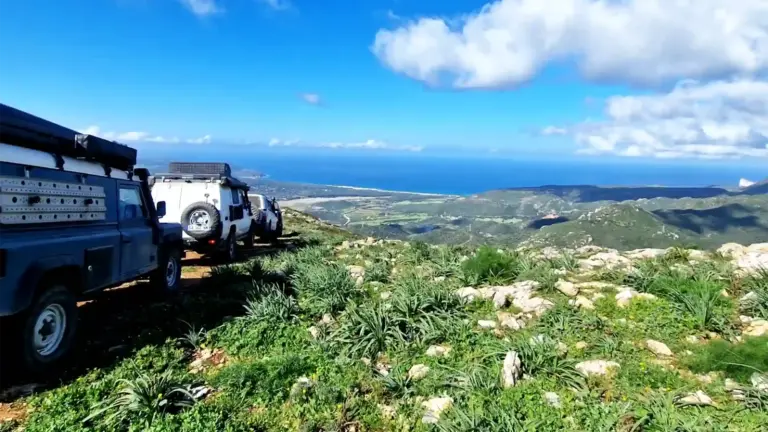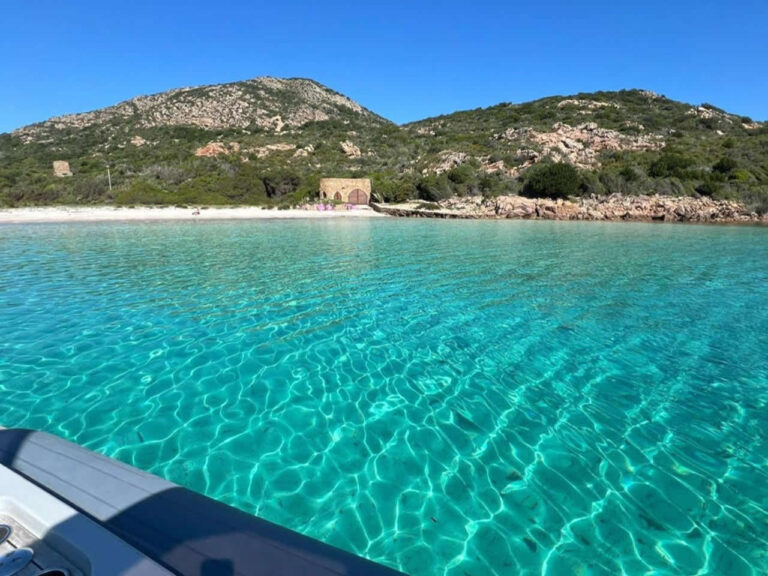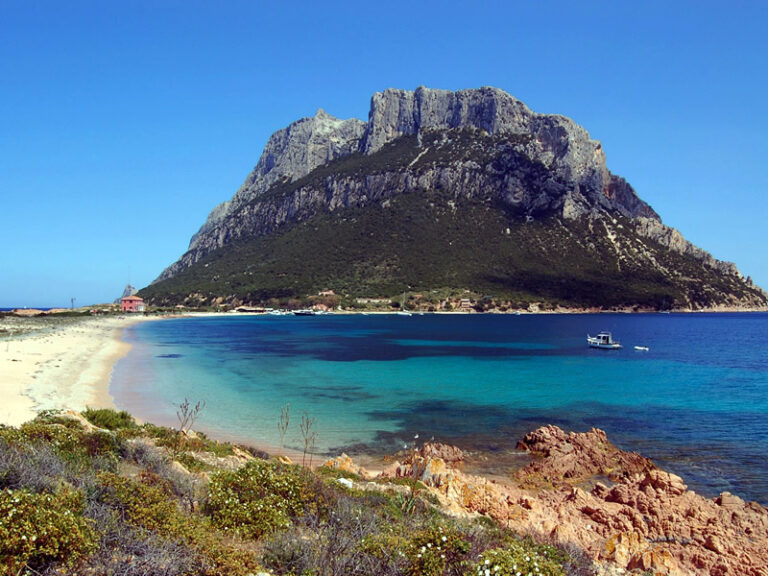
4×4 Tour of Gallura and the Supramonte: 5–8 December with Off Road Sardinia Tour
Off Road Sardinia Tour - Frank Caprai
Price on request Discover
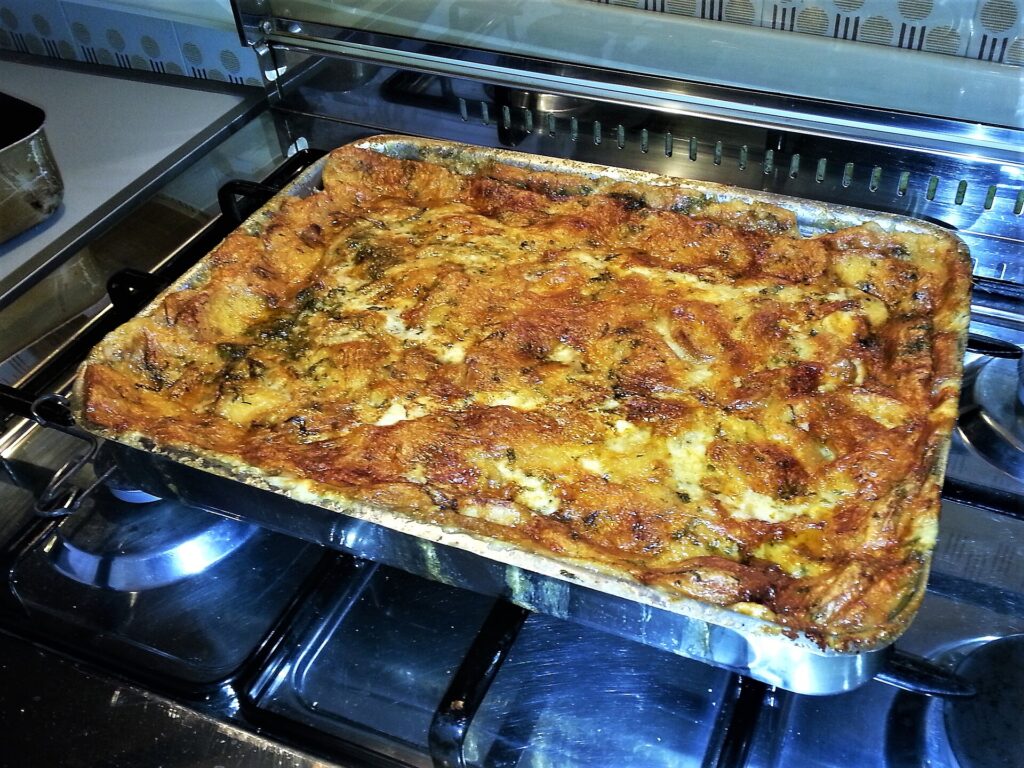
Ask anyone in Gallura, the north-eastern corner of Sardinia, which dish belongs to the big days and the answer comes straight away: zuppa gallurese, known locally as suppa cuata. Don’t expect a bowl of soup. This is layer upon layer of day-old bread, cheese and herbs, soaked in a slow-cooked meat broth and baked until the top turns golden and crunchy. It is cut into squares like lasagne, and under the crust the bread is soft, almost creamy.
Zuppa gallurese comes from the farming and shepherding households of Gallura. Stale bread was never thrown away: it was softened in mutton broth and enriched with the cheese every family kept at home. For a long time it was called a “poor man’s dish”. Today it is the first course on Gallurese tables whenever there is something to celebrate.
The word cuata is usually explained as “hidden” or “covered”, most often read as a reference to the broth and cheese tucked away between the layers beneath the crust.
Its strongest bond is with weddings. At traditional Gallurese wedding feasts, the soup was the first course above all others, and getting it right was a matter of pride: an experienced cook was often called in, because a failed zuppa was no good omen for the couple. It was also the dish of village feast days and of the day the family pig was slaughtered.
Bread, cheese and herbs are layered in a deep tin, then the hot broth is poured in slowly: the bread should absorb it without drowning, so the zuppa stays firm. A generous pecorino topping, then into a hot oven (recipes suggest 180–200 °C for around half an hour) until well browned. Every family has its own view on how much broth to use.
Zuppa gallurese has no PDO or PGI label: it is home cooking, kept alive by families rather than by official rules.
Serve it hot, cut into squares, as a first course. Traditionally it was followed by the boiled meat from the broth, or by roasts. A crisp, savoury Vermentino di Gallura DOCG cuts through the richness of the cheese; with dessert, a glass of Moscato di Tempio stays true to the area.
Its home is inland Gallura: Tempio Pausania, Calangianus, Luras, Aggius, Bortigiadas, Luogosanto and Sant’Antonio di Gallura, as well as Arzachena, Telti and Olbia. Look for it at agriturismi and traditional trattorias in the hills; since it takes time, it is often made to order, so ask when you book. We know of no festival devoted solely to this dish, but it often appears at village feasts and community lunches. A cooking class at a farm stay is a lovely way to learn how it is made.
“Zuppa” keeps its old meaning of bread soaked in broth. In Gallura the bread absorbs all the broth and the oven makes it firm enough to slice.
Yes. Many cooks assemble it a few hours early and bake it just before serving; it is also excellent reheated the next day.
Tradition calls for meat broth, but some people now use vegetable stock. It’s a modern take, good but different from the wedding zuppa of Gallura.
Do you run activities in Sardinia?
Get your own page on Ajò Sardegna: free until 31 May 2027, no commissions, with customer requests coming straight to you. If you like, we prepare the page for you.
Hi!
Can I help you?
Lia is an AI-based virtual assistant and can make mistakes: always check with the operator. Please don't share personal data. Privacy