Things to do in Turri
Things to do in Turri, Sardinia's saffron village: old courtyard houses, the Monte Granatico, nuraghi, a saffron festival and nearby Barumini.
We are gathering the first experiences for this area. Check back soon, or tell us about an operator you know.
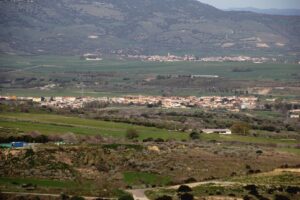
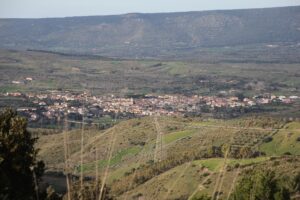
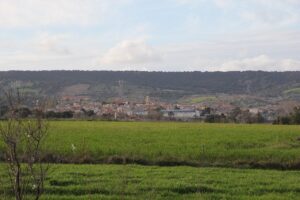
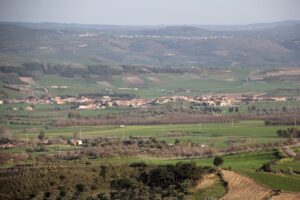
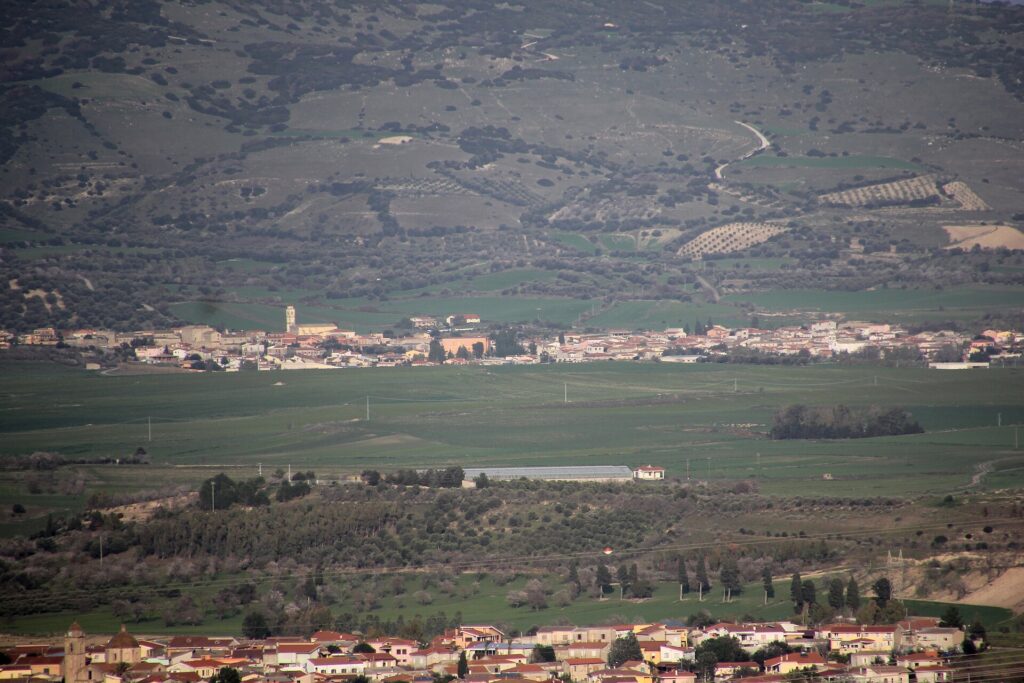
Turri is a small village of under four hundred people on the flat part of Marmilla, between the Giara di Gesturi and the Giara di Siddi, in the province of South Sardinia. It's one of Sardinia's saffron centres – the island's «red gold», which even features on the village's coat of arms. Just a few kilometres from Barumini, it's an ideal stop for combining Nuragic archaeology, rural villages and authentic flavours.
What to see in Turri
The old centre
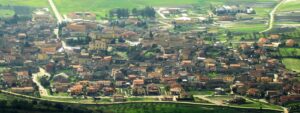
The streets are lined with traditional courtyard houses behind high walls, with a yard in front, a vegetable plot behind and big entrance portals, mostly from the 19th and 20th centuries.
Church of San Sebastiano and the Monte Granatico
The church of San Sebastiano dates from the 17th century. Opposite stands the Monte Granatico building, from the second half of the 1800s, once the community grain store, with elegant Palladian-style decoration above its windows.
Sant'Elia cemetery and the olive park
The old monumental cemetery of Sant'Elia, known as Su Campusantu Becciu, is an evocative, peaceful spot; the olive-tree park offers a green corner for a break.
Nuraghi
The countryside is dotted with nuraghi (Bronze Age stone towers): single towers such as Bruncu Monti Ari, Turriga and Sirissi, and complex ones such as Cabonu and Su Senzu.
Things to do in Turri
Turri is a handy base for exploring Marmilla: within minutes you're in Barumini, on the Giara with its wild ponies, or at the nuraghi of neighbouring villages. The flat, quiet country roads are perfect for cycling. In autumn, when the saffron blooms, it's worth finding out how the stigmas are picked and dried. You'll find the experiences offered by local operators below.
History
The area was inhabited in Nuragic times and probably known to the Phoenicians and Carthaginians. In the Middle Ages Turri belonged to the Judicate of Arborea, in the Marmilla district. After 1420 it passed to the Aragonese as part of the Carroz fief and, from 1603, to the marquisate of Quirra; when feudalism was abolished in 1839 it bought its freedom from the last feudal lord and became a self-governing municipality.
What to eat and buy
The thing to take home is saffron, grown on the plain and used in many Sardinian recipes, from sweets like pardulas to pasta dishes. The surrounding farmland also produces wheat, olive oil and vegetables.
Festivals and traditions
- Scarecrow show, in September: the village fills with creative figures.
- Saffron festival, in November, at harvest time.
Nearby
- Barumini: Su Nuraxi, a UNESCO World Heritage Site since 1997, about 15 minutes away.
- Tuili: Villa Asquer, San Pietro church with its altarpiece by the Master of Castelsardo, and the Sardegna in Miniatura park.
- Ussaramanna and Genuri, with the San Pietro and San Marco nuraghi.
- Lunamatrona, with the Sa Corona Arrubia nature museum.
Getting there and when to go
From the SS 131 Carlo Felice take the SS 197 towards Furtei and Villamar, then follow signs for Lunamatrona and Ussaramanna to Turri. Cagliari airport and port are about an hour's drive away. Spring is ideal for green countryside, autumn for saffron in bloom; summer is hot, so get out in the morning.
Frequently asked questions
How much time do I need for Turri?
An hour or two for the village; combine it with Barumini and the Giara for a full day.
When does the saffron bloom in Turri?
In autumn, usually from late October into November; the flowers are picked at dawn.
Is Turri good for families?
Yes: kids love the scarecrow show, and Sardegna in Miniatura and the Giara are close by.