Things to do in Villanovafranca
Things to do in Villanovafranca, Sardinia: Su Mulinu nuraghe and museum, San Lorenzo church, DOP saffron and travel tips.
We are gathering the first experiences for this area. Check back soon, or tell us about an operator you know.
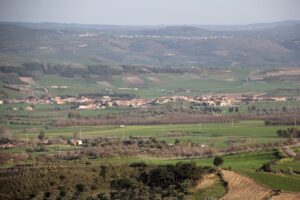
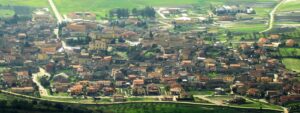
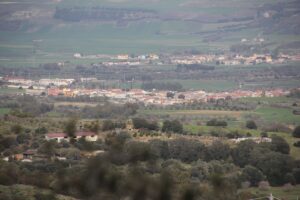
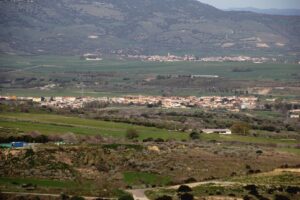
Villanovafranca (Biddanòa Franca in Sardinian) is a village of just over a thousand people in the heart of the Marmilla, on a hill almost 300 metres high above the Flumini Mannu river, about an hour's drive from Cagliari. It's saffron country – home of a DOP-protected saffron – and its Su Mulinu nuraghe holds a find unique in Sardinia. Perfect if you love archaeology, authentic flavours and the Marmilla hills, a few kilometres from Barumini.
What to see in Villanovafranca
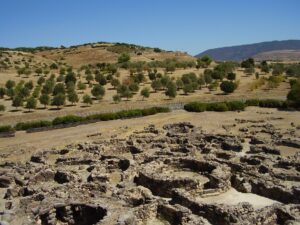
Nuraghe Su Mulinu
Less than a kilometre from the village, Nuraghe Su Mulinu dates from around 1500 BC and combines several building techniques, from the corridor nuraghe to the corbelled-dome tower. In one of its towers archaeologists found the only intact Nuragic altar from the early Iron Age discovered in Sardinia: a carved stone with vertical motifs and a lunar symbol, evidence of an ancient place of worship.
Su Mulinu Archaeological Museum
Opened in 2002 in the former monte granatico (the old community grain store) on one of the main squares, it displays finds from the nuraghe and the area, from prehistory to the early Middle Ages. Visit before or after the nuraghe to understand its story better.
Parish church of San Lorenzo
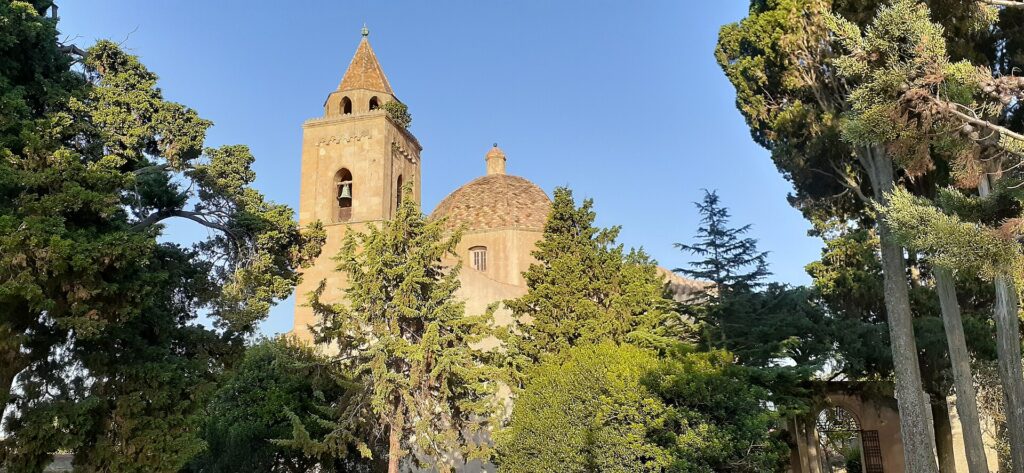
The village grew around the patron saint's church, whose bell tower and octagonal-based dome can be seen across the valley. Inside: an 1800 marble pulpit, an 18th-century organ and wooden statues known as Santus arrimaus, including San Lorenzo with his silver gridiron.
Other churches and viewpoints
Round off your visit with the churches of San Sebastiano, San Francesco da Paola and the Madonna della Salute, with stone sculptures by local artists. From the village and the Monti Mannu viewpoint you can admire the castle of Las Plassas on its cone-shaped hill.
Things to do in Villanovafranca
See the nuraghe and museum, then explore the hills on foot or by bike among wheat fields, olive groves and almond trees; in spring the meadows fill with flowers. In autumn, when the crocuses bloom, it's the best time to discover saffron growing. Below you'll find the experiences offered by local operators: book the one that sparks your curiosity.
History
The area has been inhabited since prehistory, with Nuragic, Punic and Roman settlements. The village is first recorded in 1219 and flourished under the Judicate of Arborea, on the edge of the kingdom. After the Aragonese conquest, in 1541 it joined the barony of Las Plassas, a fief of the Zapata family, until feudalism ended in 1839. “Franca” is thought to recall old franchises – privileges granted to the village.
Food and local products
The signature product is Zafferano di Sardegna DOP (protected Sardinian saffron): Villanovafranca is one of the island's main producers, together with San Gavino Monreale and Turri. Taste it in traditional dishes and take some home. The land also gives durum wheat, olive oil, wine and almonds, while sheep and pig farming supply cheese and cured meats.
Festivals and traditions
- Third Sunday in May: Sant'Isidoro, patron saint of farmers, with a procession of farm machines covered in flowers and traditional rugs.
- The patron saint, San Lorenzo, is also celebrated during the year.
Nearby
- Barumini and UNESCO-listed Su Nuraxi.
- Las Plassas, with the Marmilla castle and the MudA museum.
- Villamar, about 4 km away, with Pietro Cavaro's altarpiece.
- Tuili and the Sardegna in Miniatura park.
- Guasila and Nuraghe Barru.
Getting there and when to go
The nearest airport and port are in Cagliari, about 60 km away: take the SS131 to Sanluri, then the SS197 towards Barumini. You'll need a car. Spring and autumn are ideal: green, flowering hills in spring, the saffron harvest in autumn.
FAQ
What's special about Nuraghe Su Mulinu?
It yielded the only intact early Iron Age Nuragic altar known in Sardinia, now the symbol of the site.
How long do I need for Villanovafranca?
Half a day for the nuraghe, museum and churches; add Barumini and Las Plassas for a full day.
Is it good for children?
Yes: the nuraghe and museum are close together and easy to visit, and the countryside is great for a walk.