Things to do in San Sperate
Things to do in San Sperate, Sardinia's museum village: murals, Pinuccio Sciola's Sound Garden, churches, the peach festival and travel tips.
We are gathering the first experiences for this area. Check back soon, or tell us about an operator you know.
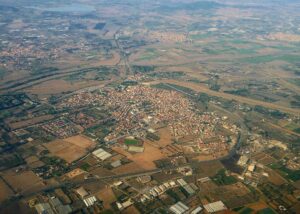
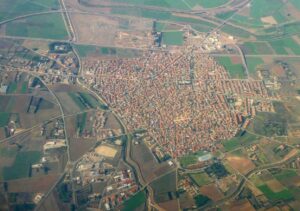
San Sperate is Sardinia's "museum village": a Campidano town about 20 km from Cagliari, surrounded by peach and citrus orchards, where house fronts have become canvases. This is where Pinuccio Sciola, the sculptor of the sound stones, was born and worked, and his Sound Garden draws visitors from all over the world. It's perfect if you love contemporary art, walking and rural traditions, and it's very easy to reach from Cagliari.
What to see in San Sperate
The murals
It all began in 1968, when Pinuccio Sciola and friends whitewashed the houses for Corpus Domini and started painting them. Today the streets hold around 260 murals by Sardinian and international artists, telling stories of history, farm work and village life. Old farm tools, millstones and boulders serve as street furniture: the whole town is an open-air museum.
The Sound Garden
In the Sciola family's former citrus grove is an open-air museum with more than 700 of the artist's works, including monoliths and sound stones: carved blocks of basalt and limestone that produce astonishing sounds when stroked by hand or with a pebble. Don't miss it.
Megalithic Garden and Sciola's house museum
The Megalithic Garden, created in 1969, was the town's first green park, filled with sculptures inspired by prehistoric art. You can also visit the artist's house museum.
Churches
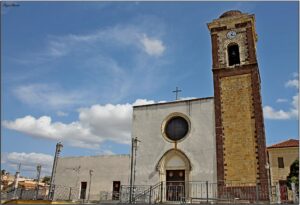
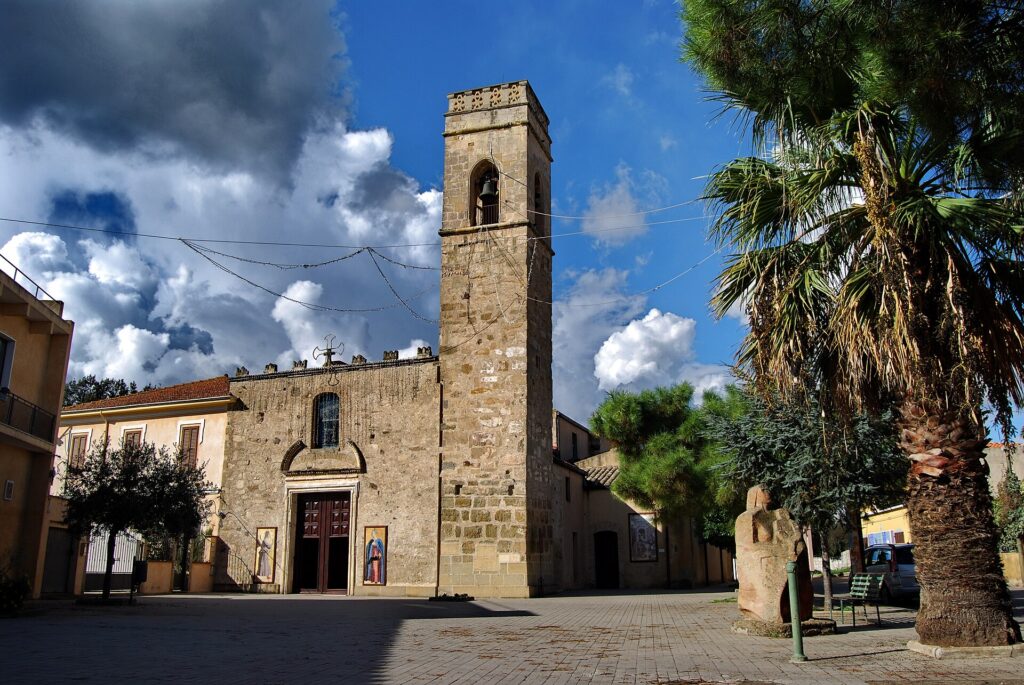
The 17th-century parish church of San Sperate has a carved baptismal font and an Aragonese-style bell tower. Santa Lucia blends Romanesque elements into Baroque architecture, while the former parish church of San Giovanni Battista mixes several styles in a very old building.
Things to do in San Sperate
The best way to explore is on foot or by bike, following the murals from street to street. Book a guided visit to the Sound Garden, step into craft workshops (ceramics, iron, leather, wood and jewellery) or taste sweets from local bakeries. The Monte Arcosu nature reserve is close by for a hike. Check out the experiences offered by local operators just below.
History
People have lived here since the Nuragic age: a model of a nuraghe found in town is now in Cagliari's Archaeological Museum. In Punic times there were four necropolises here, and in the Roman era the road from Cagliari to Tharros passed through. The name comes from St Speratus, a 2nd-century African martyr whose relics were brought to Sardinia by exiled bishops during Vandal rule. In the Middle Ages the town belonged to the Giudicato (medieval kingdom) of Cagliari, then became a fief, held from 1748 by the Cadello marquises until 1839.
Food and local products
San Sperate is famous for its peaches and citrus fruit, grown since the 1950s with varieties that made the town known across the island. Try malloreddus (small Sardinian gnocchi) and panadas (filled pies), plus homemade bread and sweets; take home honey, fruit and local crafts.
Festivals and traditions
- Corpus Domini: balconies hung with sheets and tapestries, streets strewn with mint and flowers.
- San Giovanni and Saints Peter and Paul: late June.
- Peach festival: mid-July, held since 1960 alongside the patron saint's feast, with a procession, shows and exhibitions.
- Cuncambias: late July, a festival that turns the San Giovanni quarter into a theatre.
Nearby
- Monastir: Monte Zara and its Nuragic sanctuary.
- Villasor: Castello Siviller.
- Decimoputzu and Villaspeciosa: Romanesque churches and archaeology.
- Cagliari: the National Archaeological Museum and Poetto beach.
Getting there and when to go
Leave the SS 131 Carlo Felice highway at the San Sperate exit; ARST buses also run from Cagliari. Cagliari-Elmas airport is about 20 minutes away by car. You can visit year-round; June and July bring the festivals and the peaches, while spring and autumn are best for walking.
FAQ
How long do I need for San Sperate?
Half a day for the murals and the Sound Garden; a full day if you want to visit workshops and museums too.
Is the Sound Garden good for kids?
Yes, children are fascinated by the sounds of the stones: it's an experience for all ages.
Is San Sperate by the sea?
No, it's inland; Cagliari's beaches are about half an hour's drive away.