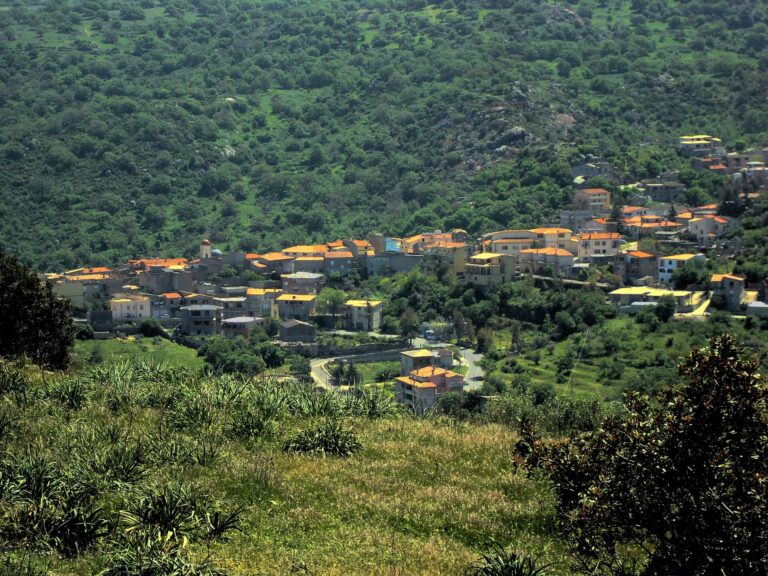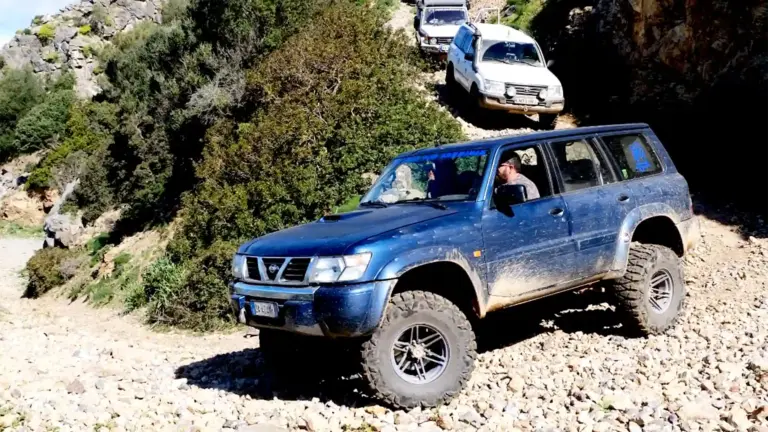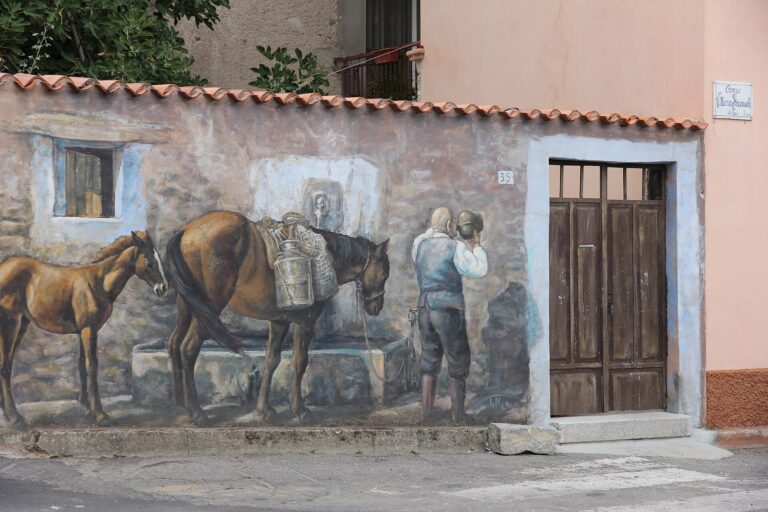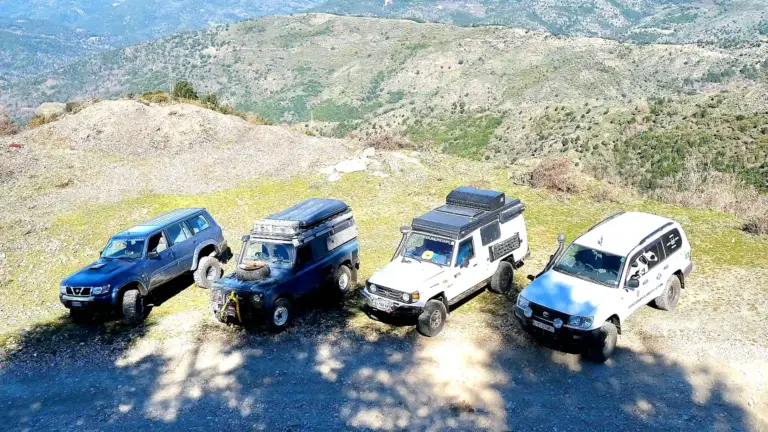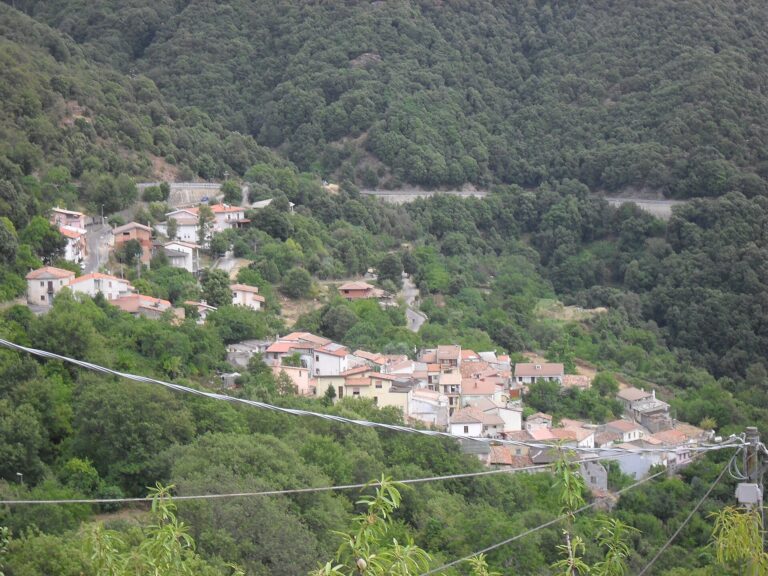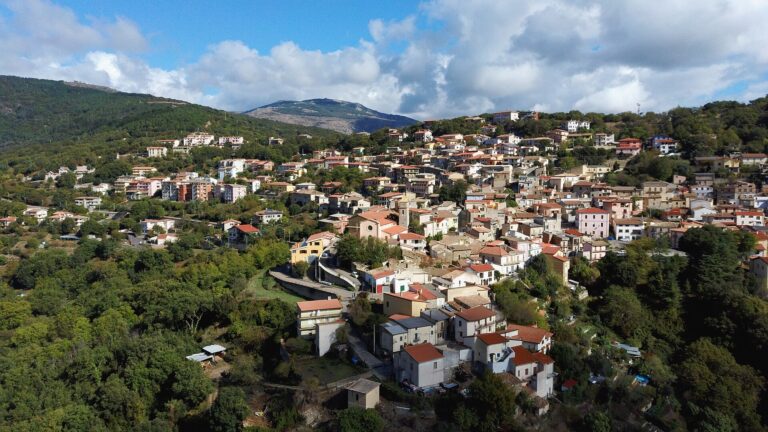
Autunno in Barbagia in Gadoni 2026: Cortes Apertas
Price on request Discover
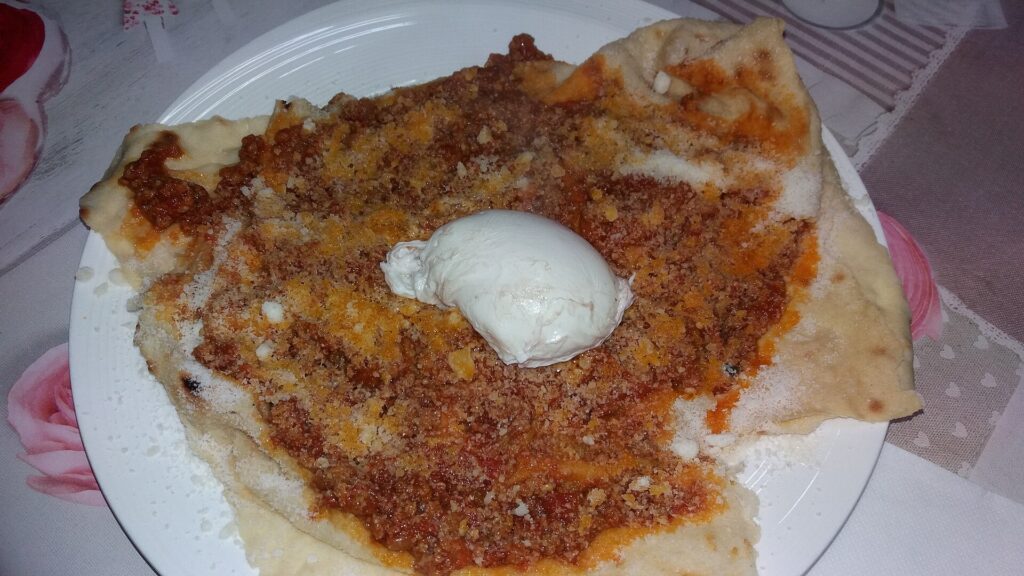
Some dishes are born from plenty; others from knowing how to make a lot out of very little. Pane frattau belongs firmly to the second kind. Sheets of crisp pane carasau are softened in hot broth, layered with tomato sauce and plenty of grated pecorino, and crowned with a soft poached egg. It is the everyday genius of a Barbagia kitchen, and today you will find it on farmhouse and trattoria menus all over Sardinia.
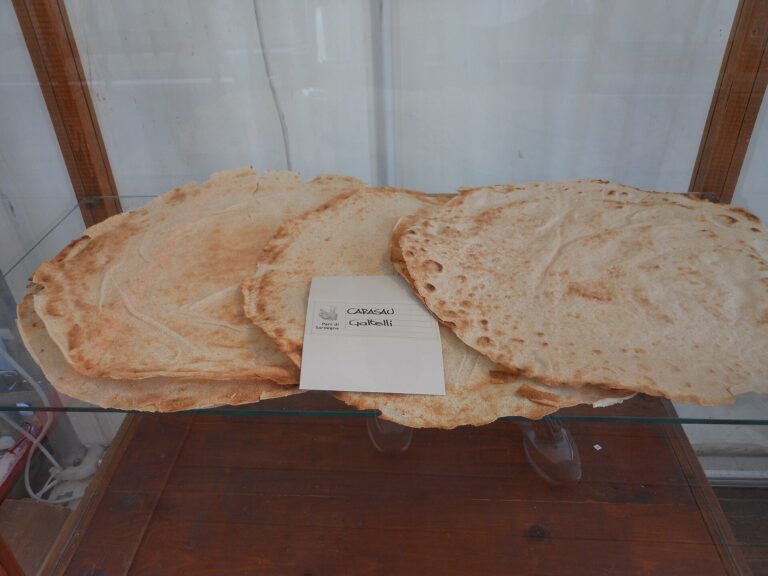
The dish is a child of pane carasau, the paper-thin flatbread shepherds carried on long stays away from home because it keeps for weeks. When the sheets broke into pieces in the bag, nothing was wasted: a little hot water or broth brought them back to life as a warm supper. That is where the name comes from: in Sardinian, fratau means broken into pieces (strictly spelled with one “t”, although frattau is the spelling you will see most).
A much-loved legend says the dish was improvised during a visit by King Umberto I, when local women, caught unprepared, put together a royal lunch from carasau, tomato paste, cheese and a few eggs. It is a legend and should be enjoyed as one. More solid is the fact that Grazia Deledda already mentions pane frattau in the late 19th century. The poached egg, according to several sources, is a more recent addition.
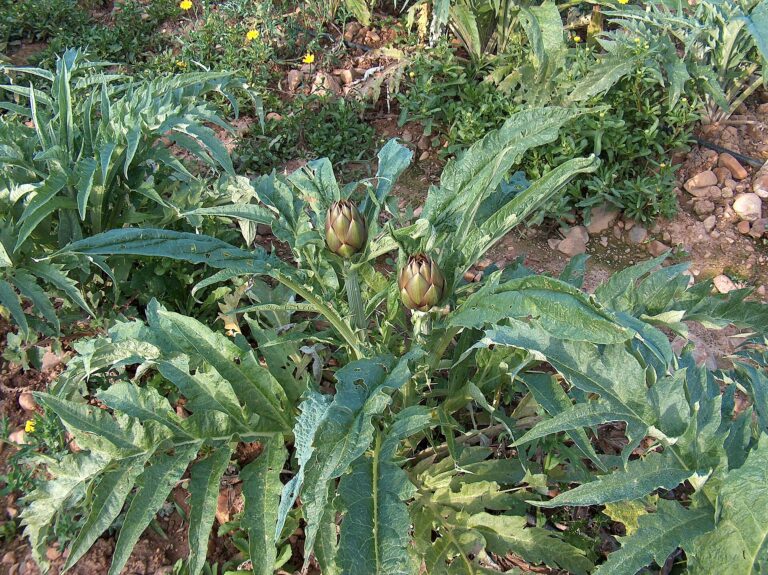
The building blocks are pane carasau, broth (traditionally often mutton or meat in Barbagia, today also vegetable broth or simply salted water), a plain tomato sauce, grated Pecorino Sardo and an egg poached in the same broth. It is layered almost like lasagne, three or four sheets deep. In Barbagia some cooks add parsley or garden herbs, elsewhere thyme or oregano, while in Gallura it tends to stay strictly basic. Restaurants sometimes add twists such as artichokes, but the heart never changes.
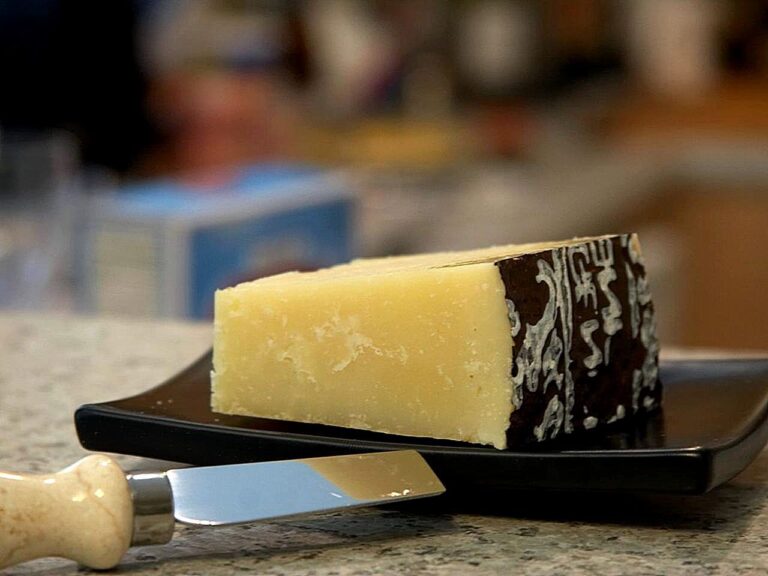
Pane frattau has no PDO or PGI status: it is a home dish, not a product with a specification. Its key ingredients, however, include island classics such as pane carasau and Pecorino Sardo PDO.
Eat it hot and straight away, breaking the yolk so it runs into the sauce and cheese, because the bread keeps absorbing liquid. It is a complete one-dish meal. A young Cannonau di Sardegna from Mamoiada, Oliena or Orgosolo is the natural partner; a fuller Vermentino works too.
Its home is Barbagia and central Sardinia. Look for it in traditional restaurants and agriturismi around Nuoro, Oliena, Orgosolo, Mamoiada, Fonni, Gavoi and Dorgali, and at the lunches with shepherds held in the countryside. We know of no festival devoted solely to this dish, but it often turns up during the autumn village events of Barbagia. Several farms in the area also run cooking workshops on pane carasau, from dough to finished plate.
The more correct Sardinian form is fratau, meaning “in pieces”, but frattau is the spelling used on most menus. Both refer to the same dish.
Barbagia tradition often uses mutton or meat broth for depth; at home many people use vegetable broth or salted hot water for a lighter result.
Not really. Prepare the sauce and broth in advance, but assemble and serve it at the last moment with a freshly poached egg.
Do you run activities in Sardinia?
Get your own page on Ajò Sardegna: free until 31 May 2027, no commissions, with customer requests coming straight to you. If you like, we prepare the page for you.
Hi!
Can I help you?
Lia is an AI-based virtual assistant and can make mistakes: always check with the operator. Please don't share personal data. Privacy