Things to do in Gavoi
Things to do in Gavoi, Sardinia: granite old town, canoeing on Lake Gusana, Talaichè nuraghe, fiore sardo cheese and its literary festival.
We are gathering the first experiences for this area. Check back soon, or tell us about an operator you know.
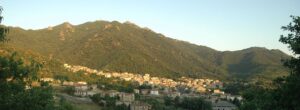
Gavoi is a village at almost 800 metres in the heart of the Barbagia di Ollolai, between Nuoro and the Gennargentu, about 40 km from Nuoro. With its elegant granite houses, flower-filled balconies and nearby Lake Gusana, it is one of the loveliest villages in inland Sardinia and holds the Touring Club's Orange Flag award. It is famous for fiore sardo, the island's oldest pecorino, and for the literary festival L'isola delle storie. It suits travellers looking for nature, good food, culture and a lively, welcoming village.
What to see in Gavoi
The granite old town
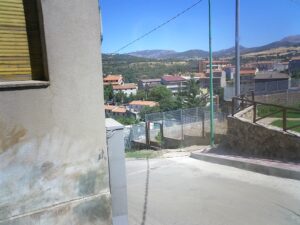
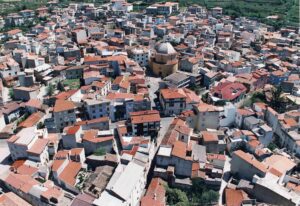
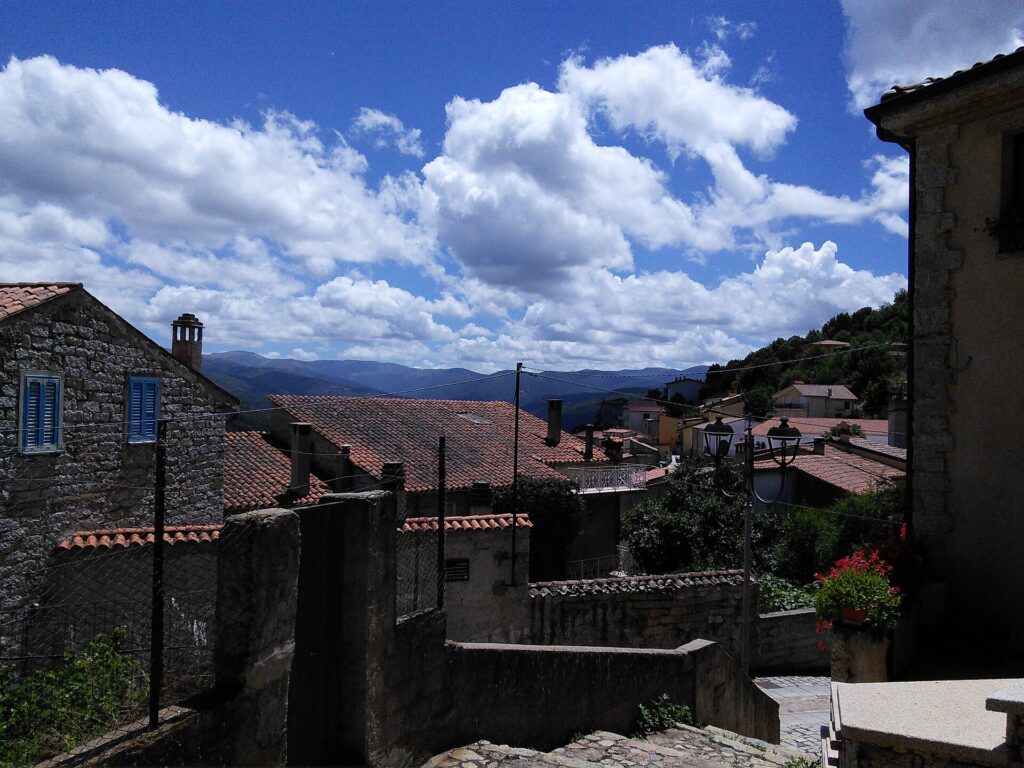
The centre climbs a hillside with steep streets, bare granite houses and wrought-iron balconies overflowing with flowers. Wander slowly to discover courtyards, stairways and little squares. At the heart of the village stands the parish church of San Gavino; other churches include Sant'Antioco Martire.
Museo Casa Porcu Satta
Set in a traditional house in the centre, this museum displays costumes, old toys and folk instruments: a small collection that brings everyday family life in Gavoi back to life.
Lake Gusana
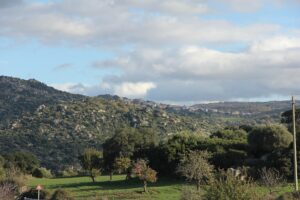
About 2 km from the village lies Lake Gusana, a reservoir created between 1959 and 1961 for hydroelectric power. Its jagged shores, holm oaks and surrounding hills make it one of the most photographed landscapes in the Barbagia, in any season.
Nuraghi and archaeological sites
The area preserves Bronze Age nuraghi and giants' tombs. The highlight is the Talaichè nuraghe, which still has its intact tholos (corbelled stone dome); there is also the Castrulongu settlement, plus menhirs and domus de janas rock-cut tombs on the higher ground.
Things to do in Gavoi
Lake Gusana is the star of outdoor life here.
- Canoeing and kayaking: paddling the calm waters of Gusana among coves and woods is easy even for beginners.
- Sport fishing: the lake is well known among anglers.
- Horse riding: on the hills around the lake, with views of the Gennargentu.
- Hiking and cycling: trails through holm oaks, cork oaks and granite to nuraghi and nearby villages.
- Fiore sardo: visit a dairy or a shepherd's farm and taste aged pecorino straight from the makers.
Just below you will find the experiences offered by operators in Gavoi and around Lake Gusana: from canoeing to riding, choose your adventure and book.
History
Human traces go back to the Neolithic; the Nuragic age left nuraghi, villages and giants' tombs, and the Roman period also left remains. In the Middle Ages Gavoi belonged to the Giudicato of Arborea, one of Sardinia's medieval kingdoms; after passing to the Aragonese, in 1604 it became part of the Duchy of Mandas. Much of today's look comes from 19th-century granite buildings. For centuries Gavoi's shepherds made and traded cheese across the island, and the village remains a centre of pastoral culture.
What to eat and buy
The signature product is fiore sardo PDO, a raw-milk pecorino for which Gavoi is one of the most renowned centres; there is also a dedicated Slow Food presidium. You will also find cured meats, roast meats, mountain potatoes, traditional bread and festive sweets. To take home: a wheel of fiore sardo, honey and local crafts.
Festivals and traditions
- Carnival: the stars are the tumbarinos, players of the traditional drum (su tumbarinu), who open the festivities on the Thursday before Lent with Sa Sortilla 'e Tumbarinos.
- L'isola delle storie (early July): since 2004 Sardinia's best-known literary festival has brought writers, actors, musicians and journalists to the village.
- Sa Itria (late July): a feast with the horse race Su Palu de Sa Itria.
- Autunno in Barbagia: in autumn homes and courtyards open to visitors.
Nearby
- Fonni: Sardinia's highest village, with the Martiri basilica and the Bruncu Spina ski lifts.
- Ollolai: the historic capital of the Barbagia, a few minutes away.
- Ovodda: famous for its Ash Wednesday carnival.
- Mamoiada: the Mamuthones and the mask museum.
- Sarule: hand-woven rugs and the sanctuary of Gonare on the mountain of the same name.
Getting there and when to go
From Nuoro it takes about 40 minutes; Olbia airport is about an hour and a half away, Cagliari about two hours via the SS131 and then Barbagia roads. Summer is ideal for the lake and the July festival, spring and autumn for hiking and colours, winter for carnival.
Frequently asked questions
Can you swim in Lake Gusana?
The lake is a hydroelectric reservoir: it is best enjoyed by canoe, boat or along the shore, and you should check local rules before swimming.
When is L'isola delle storie?
Traditionally in the first days of July.
How many days do I need for Gavoi?
One day for the village and lake; two if you want to add lake activities and nearby villages.
Is Gavoi good for families?
Yes: the lake, walks and village festivals are perfect with children.