Things to do in Luogosanto
What to see in Luogosanto, Sardinia: the basilica and its Holy Door, San Trano hermitage, Balaiana castle, granite trails and Gallura food.
We are gathering the first experiences for this area. Check back soon, or tell us about an operator you know.
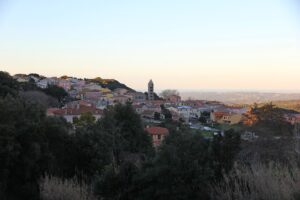
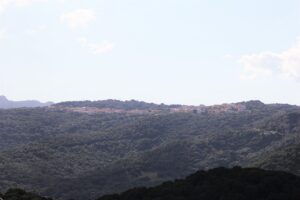
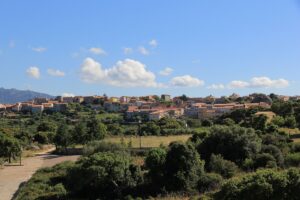
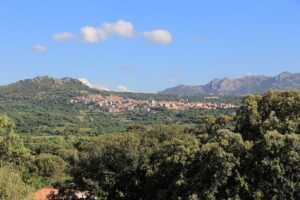
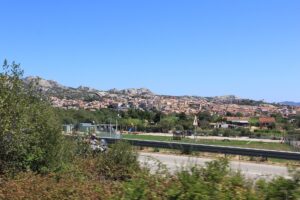
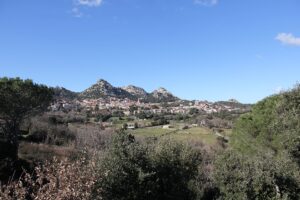
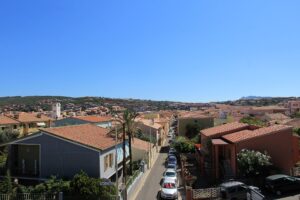
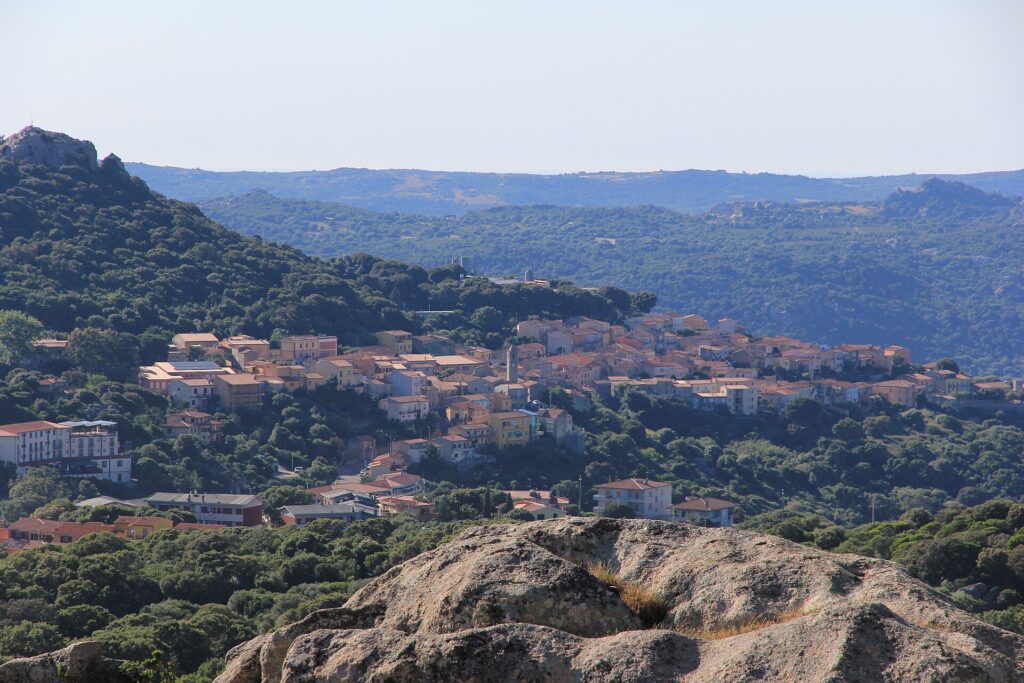
Luogosanto is a granite village in upper Gallura, about 320 metres up at the foot of the Monti Ghjuanni hill, between Tempio Pausania and Arzachena. The name, "holy place", says a lot: it's one of northern Sardinia's most important places of faith, with a basilica that has its own Holy Door and a hermitage looking out over the Strait of Bonifacio. Come for the spirituality, the medieval castles and country chapels, and the landscape of rocks and oaks. It's ideal if you're after culture, walking and peace, half an hour from the Costa Smeralda.
What to see in Luogosanto
The Basilica of Nostra Signora di Luogosanto
In the heart of the village stands the granite Romanesque basilica, linked to the Franciscan friars and given the title of minor basilica. It holds a wooden statue of the Virgin known as the "Queen of Gallura". Its special feature is the bronze Holy Door by sculptor Luca Luchetti: it's opened for a whole year every seven years and draws thousands of pilgrims.
The Hermitage of San Trano
South of the village, on a granite outcrop, the hermitage of San Trano is set inside a cave: tradition says the hermit saints Nicola and Trano lived here, and their relics were found on this very spot. The rock forms a natural apse and the altar is a single block of stone. From the terrace the view opens all the way to the Strait of Bonifacio.
Balaiana Castle and San Leonardo
On Monte San Leonardo, towards Arzachena, are the ruins of Balaiana castle, the summer residence of the judges (rulers) of Gallura, reached by a stone staircase. Nearby, the well-preserved Romanesque chapel of San Leonardo served as the castle chapel; a footpath links the two.
Palazzo di Baldu and Santo Stefano
Also towards Arzachena are the remains of Palazzo di Baldu, probably a medieval governor's residence since it has no fortifications, and the chapel of Santo Stefano, in the area of the old village. The municipality has twenty-two churches.
Things to do in Luogosanto
Luogosanto is best explored slowly. Trails through granite and oak woods link the medieval sites and can be done on foot, by mountain bike or on horseback. You can visit the museum tied to the basilica, with votive offerings and medieval documents, and one devoted to life in the stazzi, Gallura's farmhouses. In summer, Vermentino tastings liven up the village.
- Hiking: the path between Balaiana castle and San Leonardo, the climb to San Trano.
- Pilgrim walks: the night pilgrimage on foot from Calangianus every 2 June.
- Cycling and horse riding along the country lanes of upper Gallura.
- Food and wine: wine, cheese and stazzi cooking.
Further down you'll find the excursions and activities offered by local operators: pick the one that suits you and book.
History
The area was inhabited in the Nuragic age, as a site with a so-called meeting hut shows. In the Middle Ages it was part of the Giudicato (medieval kingdom) of Gallura, and judges and nobles lived in the castle. After the giudicato fell in 1296 it passed to Pisa and, from 1324, to the Aragonese. Hard centuries of raids, plague and banditry followed. The village bought its freedom from its feudal lords in 1839 and became an independent municipality in 1947.
What to eat and what to buy
The food is upper Gallura cooking: suppa cuata (bread, cheese and broth baked together), roast meats, sheep's and goat's cheeses, cured meats and sweets made with almonds and honey. The local wine is Vermentino di Gallura DOCG; vines and sheep farming have always gone hand in hand here. Take home wine, cheese, honey and local cork crafts.
Festivals and traditions
The biggest celebration is the Festa Manna ("great feast") in honour of the Virgin, in early September. In early August there's a country festival at the church of San Quirico, and in August "Calici DiVini" celebrates wine. Holy Door jubilee years bring pilgrims from all over Sardinia, and on 2 June hundreds of believers walk here from Calangianus.
Nearby
- Arzachena (about 25 minutes): giants' tombs, nuraghi and the Costa Smeralda.
- Tempio Pausania (about 30 minutes): granite old town and Monte Limbara.
- Palau and La Maddalena (about 30 minutes to Palau): the archipelago islands.
- Aggius and the Valle della Luna: wind-sculpted granite landscapes.
Getting there and when to go
Olbia airport and port are about 45 minutes away by car; Luogosanto lies on the road between Tempio Pausania and Arzachena. Spring and early autumn are ideal for walking among the granite and woods; September combines the Festa Manna with a still-warm sea on the nearby coast.
Frequently asked questions
How often is the Holy Door of Luogosanto opened?
The basilica's Holy Door is opened for a full year every seven years.
How long do you need to visit Luogosanto?
Half a day covers the basilica and the San Trano hermitage; allow a full day if you add Balaiana castle and a walk.
Is Luogosanto near the sea?
The village is inland, but the coast at Arzachena and Palau is about half an hour away, making it a peaceful base for mixing beach and countryside.