Things to do in Aggius
Things to do in Aggius, Sardinia: granite village, Museum of Banditry, Valle della Luna, Izzana nuraghe, hand-woven rugs, choir, Holy Week and tips.
We are gathering the first experiences for this area. Check back soon, or tell us about an operator you know.
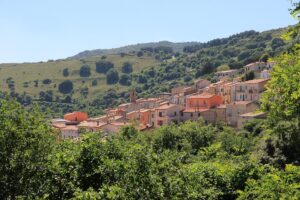
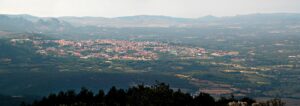
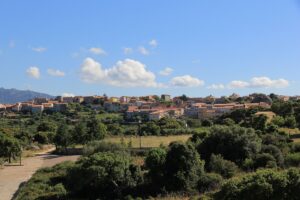
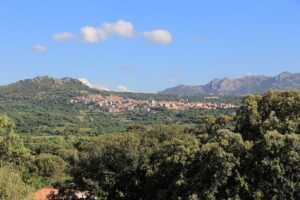
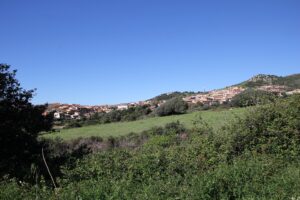
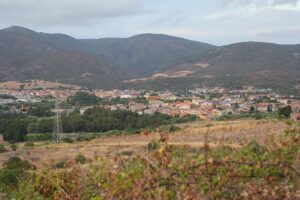
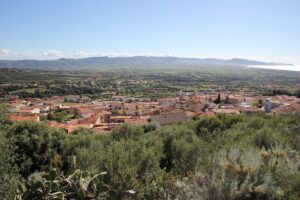
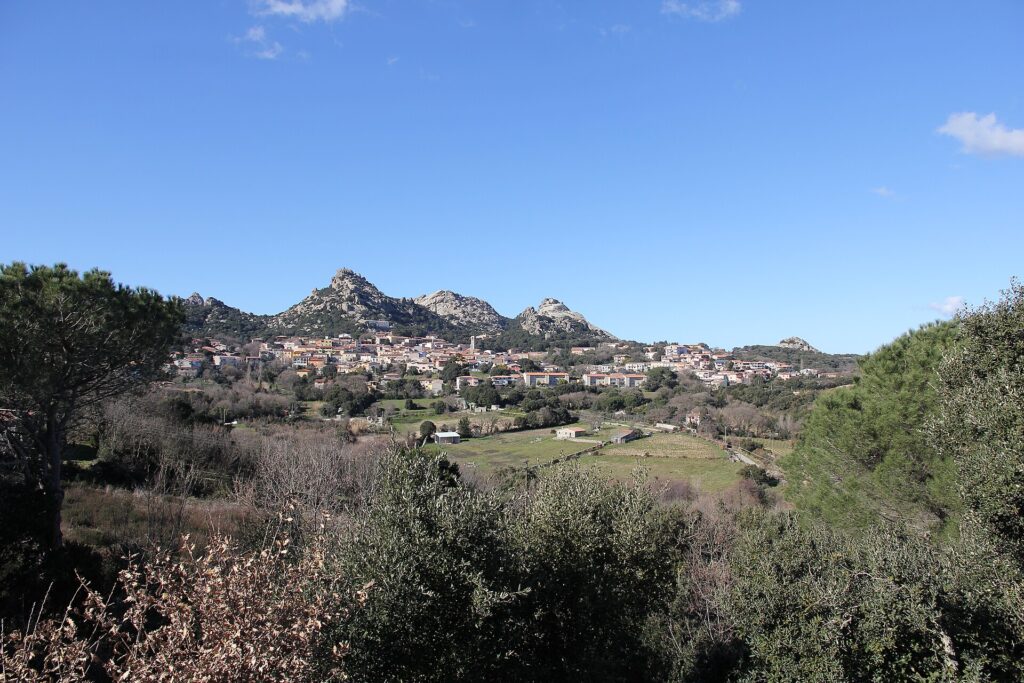
Aggius is a granite village in the heart of Gallura, at about 500 metres, beneath a ridge of spectacularly shaped rocks and just minutes from Tempio Pausania. Its old centre of stone houses is one of the best preserved in the area and has earned the Touring Club Italiano's Orange Flag; all around lies a unique landscape of giant boulders, stazzi (traditional farmsteads) and nuraghi. The village is known for its hand-woven rugs, its choir and a bandit past told in a dedicated museum. It's perfect for lovers of historic villages, hiking, folk culture and a Sardinia away from the sea.
What to see in Aggius
The old town
Paved lanes, bare granite houses, little squares and glimpses of the rocks towering above: Aggius is a place to explore slowly on foot. It belongs to the Borghi Autentici d'Italia network and is one of Gallura's most photogenic villages.
The museums
The Oliva Carta Cannas Ethnographic Museum tells the story of everyday life across Gallura through original objects, tools and machinery, with special attention to weaving. The Museum of Banditry, in the old magistrate's court, recounts the bandits and blood feuds that marked the village from the 16th to the 19th century, a one-of-a-kind museum in Sardinia. Several small art and curiosity museums have opened in recent years too.
The Valle della Luna (Piana dei Grandi Sassi)
Just outside the village lies a plain scattered with huge granite boulders sculpted by erosion, called Piana dei Grandi Sassi ("plain of the great rocks") by scholars and Valle della Luna ("Valley of the Moon") by travellers, not to be confused with the one at Santa Teresa Gallura. At sunset the rocks turn pink: one of the island's most striking landscapes.
Izzana nuraghe
On the border with Tempio Pausania stands the Izzana nuraghe, a Bronze Age stone tower considered among the most important in Gallura. The countryside also hides rock shelters, tafoni (hollows carved by wind into granite) and rock-cut tombs.
Things to do in Aggius
- Hiking and walks in the Valle della Luna, among granite and stazzi.
- Cycling and mountain biking on country roads through cork woods and Vermentino vineyards.
- Weaving workshops, to see how an Aggius rug is made.
- The Trenino Verde, the heritage tourist train that runs at certain times on the Sassari-Tempio-Palau line, with a stop near the village.
Scroll down to find the hikes and experiences offered by local operators in Aggius and Gallura, and book the one that suits you.
History
The area has been inhabited since prehistory, but the village itself dates from the Middle Ages, in the Gemini district of the Giudicato (medieval Sardinian kingdom) of Gallura. After the giudicato fell, it was fought over by the Doria, Arborea and Pisa, then passed to the Aragonese and the Spanish. In the 16th century it was known for counterfeiting coins and as a bandit refuge, hence its nickname "village of banditry". In the 18th century it joined the Marquisate of Gallura, and in 1839 it became a municipality. In 1848 it declared itself an independent republic for 48 hours. Throughout the 1800s it was scarred by bloody family feuds, described in Enrico Costa's novel Il muto di Gallura. Today it lives on farming, herding, granite working, crafts and tourism.
What to eat and buy
The food is Gallurese: suppa cuata (a baked dish of bread, cheese and broth), roast meats, cheeses, cured meats and honey. The countryside also produces Vermentino di Gallura DOCG wine. The most precious souvenir is an Aggius rug, woven on horizontal looms with geometric designs and nature motifs in yellow, black, red and purple.
Festivals and traditions
The most intense time of year is Holy Week: from Palm Sunday to Easter the village becomes an ideal Jerusalem, with confraternities in traditional dress leading solemn processions of Spanish origin. Aggius is also a land of song: its choir, nicknamed "the little rooster of Gallura" by the poet Gabriele D'Annunzio, is famous for the distinctive tone of Gallurese multi-voice singing, known as a tasgja. The local language is Gallurese, with a pronunciation typical of the village.
Nearby
- Tempio Pausania, about 10 minutes away, with its granite centre and the Rinaggiu springs.
- Monte Limbara, Gallura's mountain, with woods and views.
- Luras, with dolmens and thousand-year-old wild olive trees.
- Isola Rossa (Trinità d'Agultu), the nearest sea, about 40 minutes away.
Getting there and when to go
The nearest airport is Olbia Costa Smeralda, about an hour's drive; Olbia port is also about an hour away, Porto Torres about an hour and a quarter. You reach Aggius via Tempio Pausania. Spring and autumn are ideal for walking among the granite in mild weather; Holy Week is the most atmospheric time; in summer the altitude keeps Aggius cooler than the coast.
Frequently asked questions
Where is the Valle della Luna of Aggius?
Just outside the village, within Aggius's territory: it's a plain of granite boulders also called Piana dei Grandi Sassi, different from the Valle della Luna at Santa Teresa Gallura.
How many days do you need for Aggius?
A full day covers the village, museums and Valle della Luna; with two days you can add a hike and Tempio.
Is Aggius good for families?
Yes: the village is peaceful, the museums intrigue older kids and the Valle della Luna rocks are a huge natural playground.