Things to do in Bortigiadas
Bortigiadas, upper Gallura: San Nicola church, mineral museum, the Tisiennari rock-cut tomb, Punta Salizi granite sculptures and the Trenino Verde.
We are gathering the first experiences for this area. Check back soon, or tell us about an operator you know.
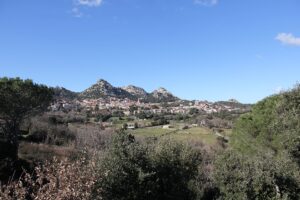
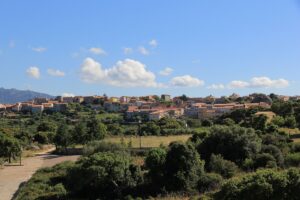
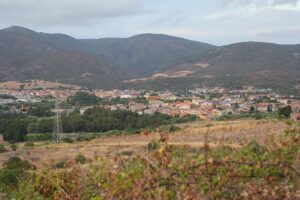
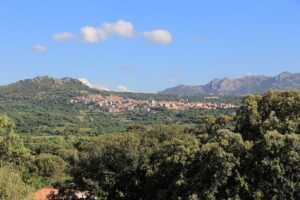
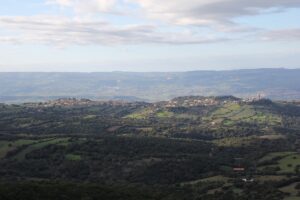
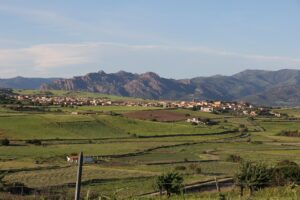
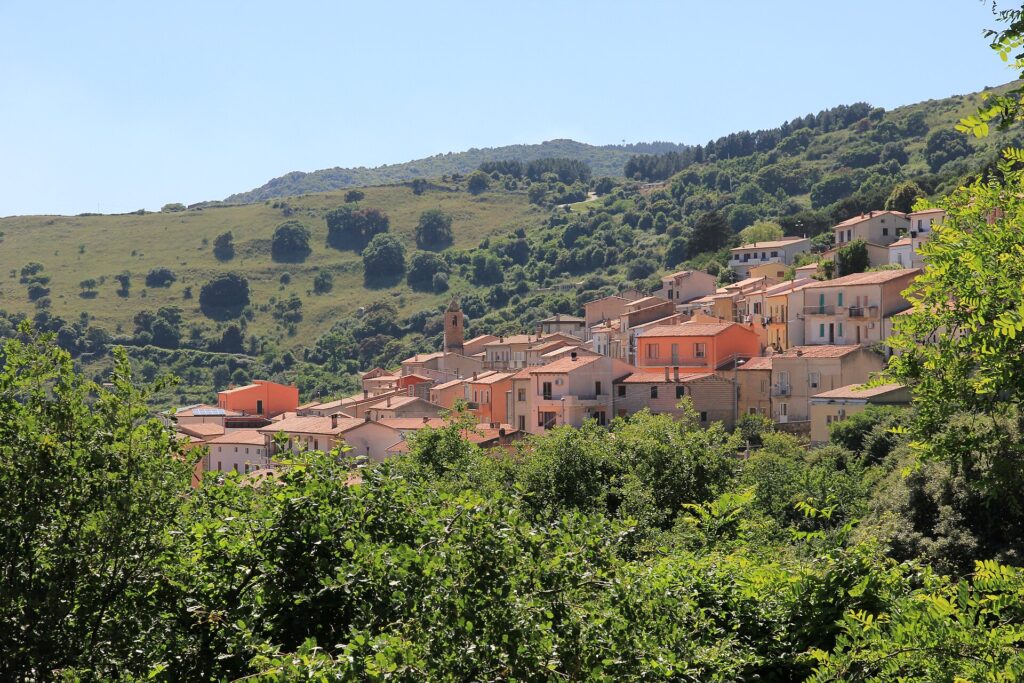
Bortigiadas is a small farming and herding village in upper Gallura, at about 450 metres above sea level, not far from Tempio Pausania. With fewer than 800 people spread between the village, many hamlets and country stazzi (farmhouses), it's a place of silence, cork oak woods and wind-carved granite. Ideal if you want nature, hidden gems and the most authentic Gallura, far from the coastal crowds.
What to see in Bortigiadas
Old centre and churches
Narrow lanes gather around the parish church of San Nicola di Bari, built in 1607, with a bare granite façade, a barrel vault on three arches and a late-17th-century painting. Nearby are the 18th-century churches of Santa Croce and Carmelo. Just outside the village stands San Pancrazio, the church dearest to the community.
Mineralogical museum
Opened in 1984, it displays about 800 specimens of 250 mineral species, mostly collected locally, some unique in Sardinia. A surprise for adults and kids alike.
Tisiennari domus de janas
In the hamlet of Tisiennari is a Late Neolithic domus de janas (rock-cut tomb) with four decorated chambers; one has a false door topped by bull's horns. Similar tombs lie along the Coghinas river, and near the village is the nuragic complex of Su Nuracu.
Things to do in Bortigiadas
Climb Punta Salizi, where the wind has turned the rocks into natural sculptures among scrub, cork and holm oaks, with sweeping views: perfect for hiking and photography. The Sassari–Tempio–Palau railway crosses the area, with Bortigiadas and Scala Ruia stations and one of the two spiral tunnels on the Sardinian network; when running, the tourist Trenino Verde uses it. Discover the experiences offered by local operators below.
History
Inhabited since the Neolithic and in the nuragic age, the area may have been crossed by the Roman road between Olbia and Tibula. The village appears in the 14th century as Orticlada, in the Giudicato (Sardinian kingdom) of Gallura; it then passed to Pisa and the Aragonese and remained a fief until 1839. Until the mid-20th century people spoke Logudorese Sardinian; today they speak Gallurese.
Food and local products
The area lies within the Vermentino di Gallura DOCG zone. Try local cheeses and cured meats, Gallurese bread and sweets. Cork is the signature material of the landscape.
Festivals and traditions
- Feast of San Pancrazio, late September: the community's most heartfelt celebration.
- Beer festival, mid-August.
Nearby
- Tempio Pausania, capital of upper Gallura.
- Aggius and the Valle della Luna, with huge granite boulders.
- Monte Limbara, for hikes and views.
- Casteldoria and the Coghinas valley.
- Luras, with its dolmens and ancient wild olive tree.
Getting there and when to go
The nearest airport and port are in Olbia, about an hour by car; Tempio Pausania is about 15 minutes away. Spring and autumn are ideal for walking; in summer the altitude brings cool evenings.
FAQ
Is Bortigiadas by the sea?
No, it's inland; the nearest coast, at Badesi and Valledoria, is about 40–45 minutes away by car.
What can I see in half a day?
The centre with San Nicola, the mineralogical museum and the view from Punta Salizi.
Is Bortigiadas good for children?
Yes: the mineral museum and the oddly shaped rocks are an adventure for kids.