Things to do in Calangianus
Calangianus, Italy's cork capital: granite old town, Santa Giusta church, cork museum, giants' tombs, Monte Limbara trails and Holy Week rites.
We are gathering the first experiences for this area. Check back soon, or tell us about an operator you know.
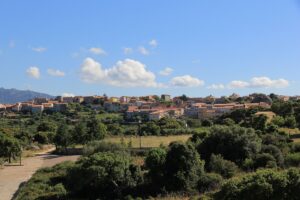
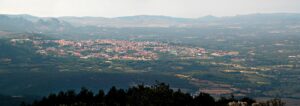
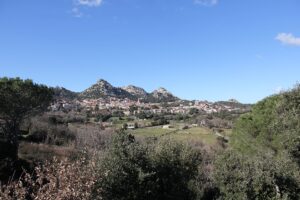
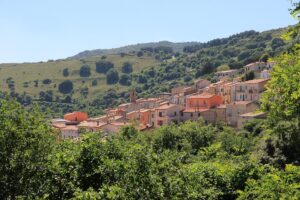
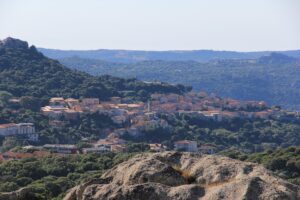
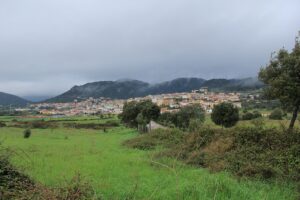
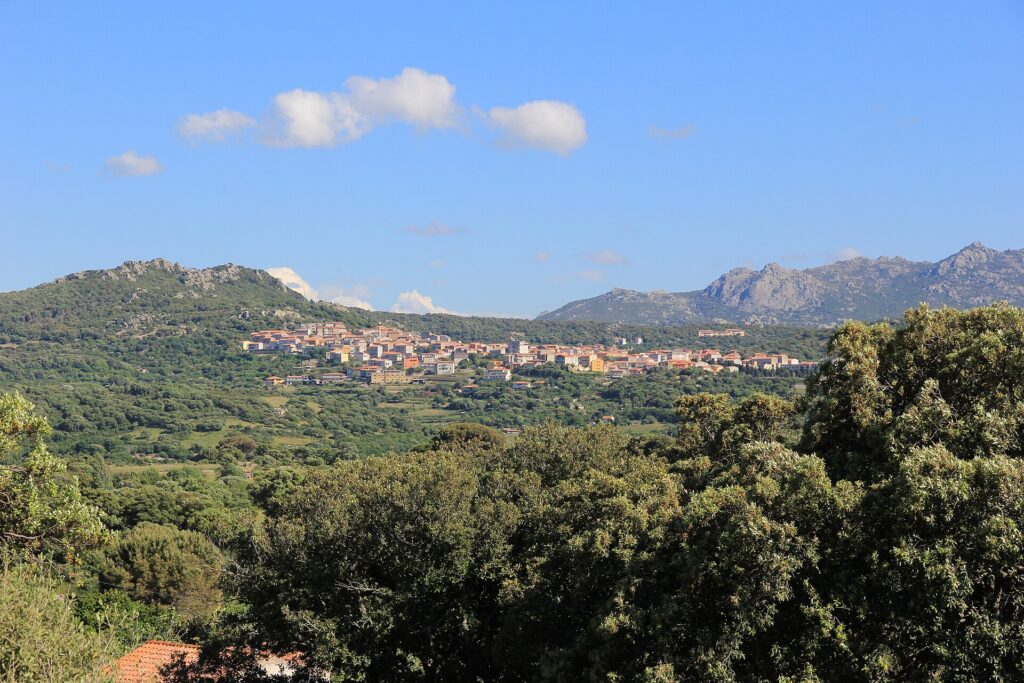
Calangianus, Caragnàni in Gallurese, is Italy's cork capital: a village in upper Gallura at about 500 metres, in a basin of vineyards and cork oak woods at the foot of Monte Limbara. Its granite old town, protected as a cultural heritage site, holds 17th-century churches, stately palazzi and a museum devoted to cork. Ideal if you love craftsmanship, mountains and Gallurese religious traditions, about 40 minutes from Olbia.
What to see in Calangianus
Old town and Santa Giusta church
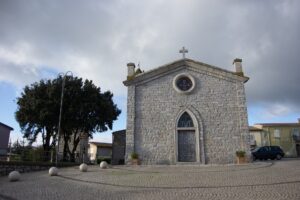
Granite-paved streets lead to the parish church of Santa Giusta, with its granite façade and a 1596 altarpiece by the painter Andrea Lusso. Next door, in the oratory of Nostra Signora del Rosario, the diocesan museum of sacred art displays liturgical objects from the 16th to 18th centuries. Stroll on to the oratory of Santa Croce (1646), the chapel of Sant'Anna (1665) and palazzi such as La Littranga (1751) and Palazzo Corda (1892).
Cork museum
Housed in the former Capuchin convent of 1705, it tells the story of cork-making with old machines and objects. Every year it hosts a Cork Stopper Day.
Sanctuaries and country churches
The sanctuary of Nostra Signora delle Grazie, the sanctuary of San Sebastiano among the cork oaks of its park, and the church of San Leonardo (1623), in the rural hamlet of the same name, known for its vineyards.
Archaeology
The area has 11 nuraghi and 2 giants' tombs. At Monti di Deu you'll find the Bronze Age giants' tomb of Pascaredda, the Li Paladini sacred spring and the Agnu proto-nuraghe.
Things to do in Calangianus
The eastern side of Monte Limbara offers holm oak and conifer forests, walking and cycling trails in the Rio Santu Paulu valley and big views. Don't miss the Valle di Valentino, Stazzana park with its centuries-old holm oaks, and the walk up to Fonte Sigara. Visit a cork workshop and a Vermentino winery. Discover the experiences offered by local operators below.
History
The area was inhabited from the Copper Age and has yielded Roman finds. The village, recorded with certainty around 1100, appears as Villa Calanyanus in the Giudicato (Sardinian kingdom) of Gallura. A judicial and administrative seat under the Kingdom of Sardinia, it became independent in 1771. The first cork factories opened in the 19th century, making it one of Sardinia's most industrialised towns.
Food and local products
The souvenir par excellence is a handmade cork object. At the table, expect Gallurese cooking, with soups, cheeses and roast meats, paired with Vermentino di Gallura from the surrounding vineyards. Local granite is another artisan speciality.
Festivals and traditions
- Holy Week, with traditional rites from Palm Sunday to Easter.
- Santa Giusta, patron saint, on 14 May.
- Santu Juanni (St John), 23–24 June, with bonfires (fucaroni) on the eve.
- Sant'Anna, 26 July, and the big popular festival in the third week of September.
Nearby
- Luras, right next door, with dolmens and an ancient wild olive.
- Tempio Pausania, with its granite centre.
- Monte Limbara and Punta Sa Berritta.
- Lake Liscia.
- Aggius and the Valle della Luna.
Getting there and when to go
Olbia airport and port are about 40 minutes away by car; Tempio Pausania is about 15 minutes along the SS 127. Spring and autumn are ideal for the mountains; Holy Week and June are the best times for traditions.
FAQ
Why is Calangianus famous?
It's Italy's leading centre for cork harvesting and processing, with a dedicated museum.
Is Calangianus by the sea?
No, it's inland; the nearest beaches are about 40–50 minutes away by car.
How much time do I need?
One day for the centre, museums and a walk on Monte Limbara.