Things to do in Telti
Telti, 15 km from Olbia: Santa Vittoria and Sant'Anatolia churches, nuraghi, the Monte Pinu pine forest, Gallura farmhouses and Holy Week rites.
We are gathering the first experiences for this area. Check back soon, or tell us about an operator you know.
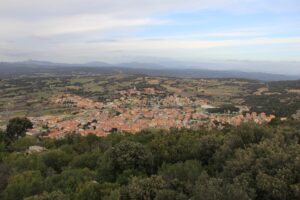
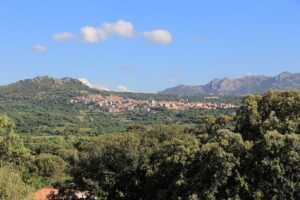
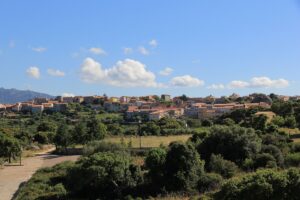
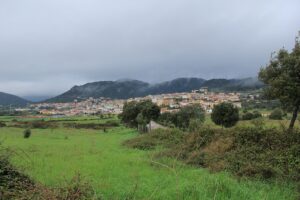
Telti is a hill village in Gallura, about 15 km from Olbia, surrounded by wind-sculpted granite boulders, cork oaks, wild olives and Mediterranean scrub. Many residents still live in stazzi, the traditional Gallurese farmhouses scattered across the countryside. It's ideal if you want to discover authentic inland Gallura, with nuraghi, woodland and Holy Week rites, while staying minutes from the airport and the sea.
What to see in Telti
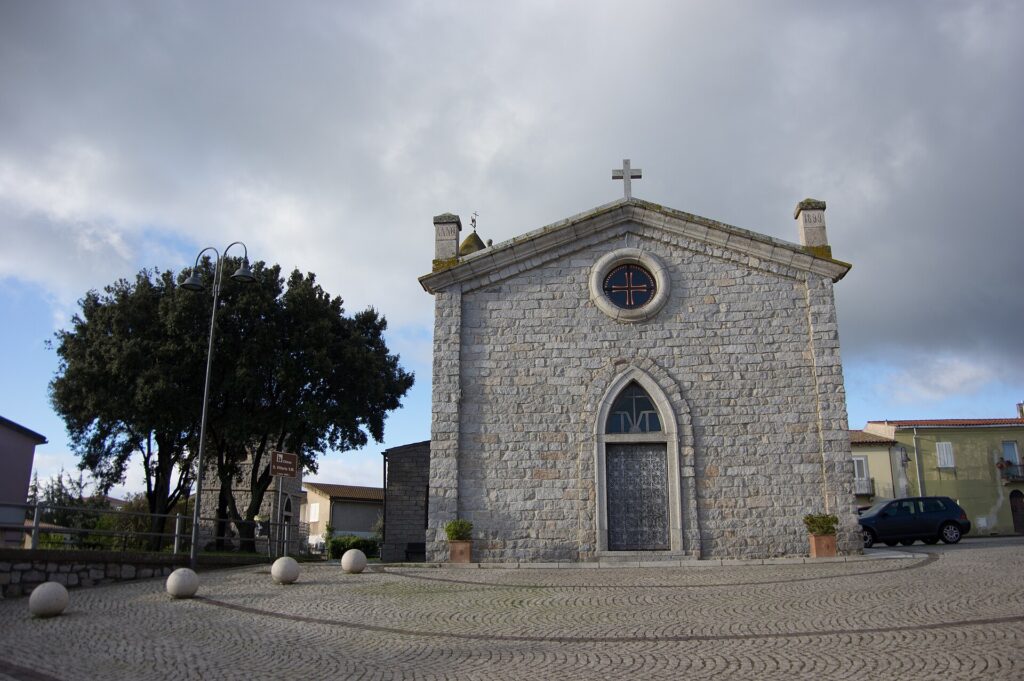
Santa Vittoria and Sant'Anatolia churches
The modern village grew up around these two churches. Santa Vittoria, the heart of the village and the symbol on its coat of arms, was built in 1899 in 18th-century style; Sant'Anatolia dates from the 18th century.
San Bachisio
A 17th-century country church on the road towards Calangianus, surrounded by fields.
Old centre and museum
The centre has buildings in local granite and several murals. The Museo culturale e naturalistico della Sardegna covers community life, traditional homes and the animal, plant and mineral worlds.
Nuraghi and prehistoric sites
The Putzolu nuraghe (Bronze Age stone tower) has an elliptical plan with three chambers and a corridor. La Prexona di Siana, at Aratena, was a three-lobed nuraghe with a central tower linked to three others; in the Middle Ages it served as a prison. The countryside also holds granite tafoni (rock hollows) used as burials since the Neolithic and some domus de janas (rock-cut tombs).
Things to do in Telti
Monte Pinu, the highest point at about 750 metres, is covered by a large pine forest: perfect for hiking, mountain biking and shady picnics. Springs and streams keep the vegetation lush even in summer, and the trails among the granite are great for horse riding too. Discover the experiences offered by local operators below.
History
Punic coins point to a village as early as the 9th–3rd centuries BC. In Roman times this was Tertium, a station on the road from Olbia inland, which gave the village its name. In the Middle Ages it belonged to the Giudicato (Sardinian kingdom) of Gallura, then was abandoned because of raids from the sea. Resettled by Gallurese and Corsican shepherds, it was reborn around 1700 around its churches, and became an independent municipality in 1963, separating from Tempio Pausania.
Food and local products
Telti makes fresh pasta, bread and sweets by hand. Try the cheeses and meats of Gallura's shepherd tradition and the local wines, starting with Vermentino. Local granite is also worked by artisans.
Festivals and traditions
- Holy Week: very atmospheric rites in the days before Easter.
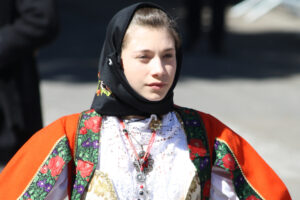
- Feasts of Santa Vittoria and Sant'Anatolia, with processions in traditional dress.
- San Bachisio, in May, with a communal lunch at the country church.
Nearby
- Olbia, with San Simplicio basilica and the archaeological museum.
- Monti and the Monte Olia forest.
- Calangianus and its cork museum.
- Punta Sa Berritta, a granite natural monument.
- Loiri Porto San Paolo and beaches facing Tavolara.
Getting there and when to go
Olbia airport and port are about 20 minutes away by car. Spring and autumn are perfect for hiking; Holy Week is the best time to experience local traditions. In summer Telti makes a cool, quiet base for beach trips.
FAQ
Is Telti by the sea?
No, but the beaches around Olbia are about 25–30 minutes away by car.
What are stazzi?
Gallura's traditional farmhouses, scattered across the countryside, where families lived from farming and herding.
Is Telti good for families?
Yes: the Monte Pinu pine forest and the nature museum are great with children.