Things to do in Olbia
Things to do in Olbia, Sardinia: San Simplicio, the archaeological museum, Nuragic sites, Pittulongu and Porto Istana beaches, Tavolara boat trips.
We are gathering the first experiences for this area. Check back soon, or tell us about an operator you know.
Olbia sits on its own gulf in north-east Sardinia, and for many travellers it's the island's front door: this is where the planes land and the ferries dock. But it would be a shame to stop only long enough to collect your rental car. Behind the port there's a lively town with a pedestrian centre full of bars and restaurants, three thousand years of history and, a few minutes away, pale sandy beaches with the island of Tavolara on the horizon. It's the perfect base for exploring Gallura and the Costa Smeralda while keeping the comforts of a town, and it works well for families, couples and anyone who likes heading somewhere new every day.
What to see in Olbia
Basilica of San Simplicio
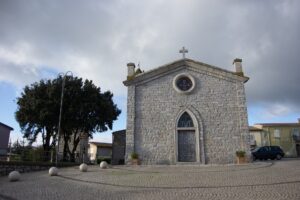
The town's signature monument is a Romanesque granite church built between the late 11th and early 12th centuries and dedicated to Olbia's patron saint. Plain and elegant, it's considered the most important medieval church in north-east Sardinia. Beneath and around it lies an ancient necropolis with around 450 Punic, Roman and early Christian burials, now open as a museum.
Old town and the church of San Paolo
Olbia's heart is Corso Umberto, the street for the evening stroll, lined with little squares, shops and outdoor tables. Here you'll find the church of San Paolo, easy to spot thanks to its dome covered in colourful majolica tiles, built over Punic and Roman remains. On Via Torino, stretches of the Carthaginian walls are still visible.
Archaeological Museum
The museum stands on the islet of Peddone in the old harbour, in a modern building. It tells the town's story from its origins to the Middle Ages and displays the Roman and medieval ships discovered in 1999 during work on the port tunnel: twenty-four wrecks that make Olbia one of the key sites for nautical archaeology in the Mediterranean.
Nuragic and prehistoric sites
More than fifty Nuragic sites (from Sardinia's Bronze Age civilisation, famous for its stone towers called nuraghi) are known around Olbia. The easiest to visit are the sacred well of Sa Testa near Pittulongu, a Bronze Age water temple with a stone stairway and forecourt; the giants' tomb of Su Monte 'e s'Abe, with its curved front of granite slabs; and the Riu Mulinu nuraghe on Cabu Abbas hill, a fortified sanctuary looking over the whole gulf.
Pedres Castle and the Roman aqueduct
In the hills behind town, Pedres Castle is a small medieval fortress from the Pisan era, perched on a granite spur. Nearby you can see a few arches of the Roman aqueduct that carried water from the Cabu Abbas springs to the town's baths.
San Pantaleo and Porto Rotondo
Olbia's territory also includes two very different villages. San Pantaleo is a little granite hamlet at the foot of jagged rocky peaks, loved by artists and craftspeople, with a cosy square around its church. Porto Rotondo, partly within Olbia, is a smart resort built around its marina, with carefully designed architecture and a piazzetta that buzzes on summer evenings.
Things to do in Olbia
The gulf practically begs you to get out on the water. Boat trips to Tavolara, Molara and the coves along the coast let you swim in crystal-clear water inside the Tavolara–Punta Coda Cavallo Marine Protected Area, while snorkelling and diving reveal some of the finest reefs and walls in the Mediterranean. At Le Saline and Murta Maria the steady wind draws windsurfers and kitesurfers, with schools for beginners.
On land, the trails around San Pantaleo and the granite hills are great for hiking and mountain biking with sea views; inland you can go horse riding among cork oaks and stazzi, the traditional farmhouses of Gallura. Wine lovers will find several Vermentino di Gallura wineries offering tastings, and in town you can follow an archaeology trail linking the basilica, the Punic walls and the museum. Just below this guide you'll find the experiences offered by local operators in Olbia: pick yours and book directly.
Beaches in Olbia
Pittulongu
A few kilometres from the centre, this is where locals go: a string of beaches (La Playa, Lo Squalo, Il Pellicano, Mare e Rocce, Bados) with light sand, shallow water and facilities. Ideal for families and for a swim without a long drive.
Porto Istana
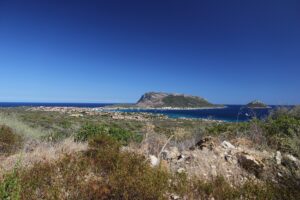
South of town, four small white-sand coves look straight at Tavolara. The water is shallow and turquoise, and the view of the island is one of the most photographed in Sardinia. In summer, arrive early.
Le Saline and Murta Maria
Wide, breezy beaches with a lagoon behind them: windsurf and kite territory, perfect if you want space and a sporty vibe.
North coast: Cugnana, Rena Bianca and Marinella
Towards Porto Rotondo and Portisco you'll find sheltered bays, handy when the mistral blows, with calm water and sandy seabeds.
History
The area was already inhabited in the Nuragic period, as sacred wells, giants' tombs and nuraghi show. Ancient writers credited Greek settlers with founding the town, and the name probably comes from the Greek olbìa, "happy". It was the Carthaginians, though, in the 5th–4th centuries BC, who built the first real town with walls and towers. Under Rome, from 238 BC, Olbia became an important port and naval base with a forum, baths and an aqueduct.
In the Middle Ages it was called Civita and served as capital of the Giudicato of Gallura, one of Sardinia's four medieval kingdoms; later, under Pisa, it became Terranova. From 1862 it was known as Terranova Pausania, and only in 1939 did it take back its ancient name. In the late 20th century, with the birth of the Costa Smeralda, the airport and the Isola Bianca port, the town grew into north-east Sardinia's main economic hub.
What to eat and buy
The local star is the Olbia mussel, farmed in the gulf for generations: try them alla marinara, gratinated or with pasta, alongside a glass of Vermentino di Gallura, Sardinia's only DOCG wine. Gallurese tradition adds suppa cuata (a baked dish of bread, cheese and broth), chjusoni (small gnocchi with meat sauce) and fried seadas drizzled with honey. To take home: strawberry-tree honey, sheep's cheeses, cork and granite objects, and handmade textiles and jewellery, which you'll find in the workshops of San Pantaleo.
Festivals and traditions
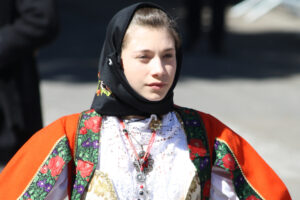
The most heartfelt celebration is the feast of San Simplicio, the patron saint, in mid-May: a procession in traditional costume, music, fireworks and the Palio della Stella, a horse race that draws big crowds. In late June, for San Giovanni and the Madonna del Mare, there's a procession at sea and bonfires. Out in the countryside and hamlets, small rural feasts bring traditional singing and communal lunches.
Nearby
- Tavolara island: the great limestone mountain rising from the gulf, with the Spalmatore di Terra beach and the curious tale of the Bertoleoni family's "kingdom". Boats leave mainly from Porto San Paolo, about 20 minutes' drive away.
- Golfo Aranci: about 20 minutes away, with lovely beaches and boat trips.
- Costa Smeralda and Porto Cervo: about 35–40 minutes north.
- San Teodoro: about half an hour south, home to La Cinta and Cala Brandinchi.
- Tempio Pausania and Mount Limbara: the granite-and-cork soul of inland Gallura, about 45 minutes away.
Getting there and when to go
Olbia–Costa Smeralda airport is just minutes from the centre, with flights from many Italian and European cities. The Isola Bianca port has ferries to Civitavecchia, Livorno, Genoa and other mainland ports. By car, Olbia is reached from Sassari on the SS729 and from Nuoro and Cagliari on the SS131 DCN; trains also run towards Golfo Aranci, Chilivani and Cagliari. The best time is May to October: June and September bring warm sea and fewer crowds, while July and August are the liveliest months. Spring is ideal for archaeology and hiking.
Frequently asked questions
How many days do you need in Olbia?
One or two days are enough for the town itself. But Olbia shines as a base: with 5–7 days you can mix beaches, Tavolara, the Costa Smeralda and inland Gallura.
Is Olbia good for families?
Yes. Pittulongu and Porto Istana have calm, shallow water, the centre is pedestrian and there are plenty of services. A boat trip in the marine reserve is something kids remember for a long time.
What's the most beautiful beach near Olbia?
Porto Istana, for its colours and view of Tavolara, is often the favourite. Pittulongu is the most convenient, and Le Saline is best if you're into wind sports.