Things to do in Luras
Luras, Gallura: four dolmens, the 3,000-year-old wild olive S'Ozzastru, the Galluras museum of the femina agabbadora, Lake Liscia and local wines.
We are gathering the first experiences for this area. Check back soon, or tell us about an operator you know.
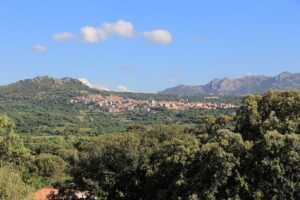
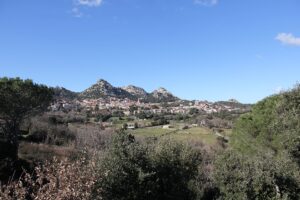
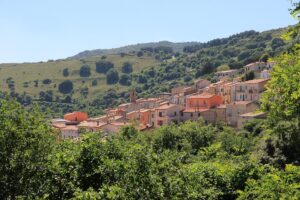
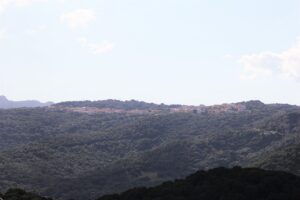
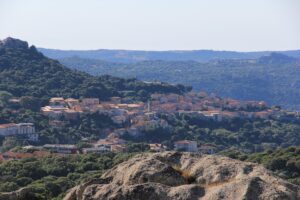
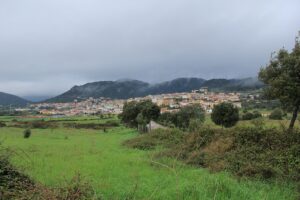
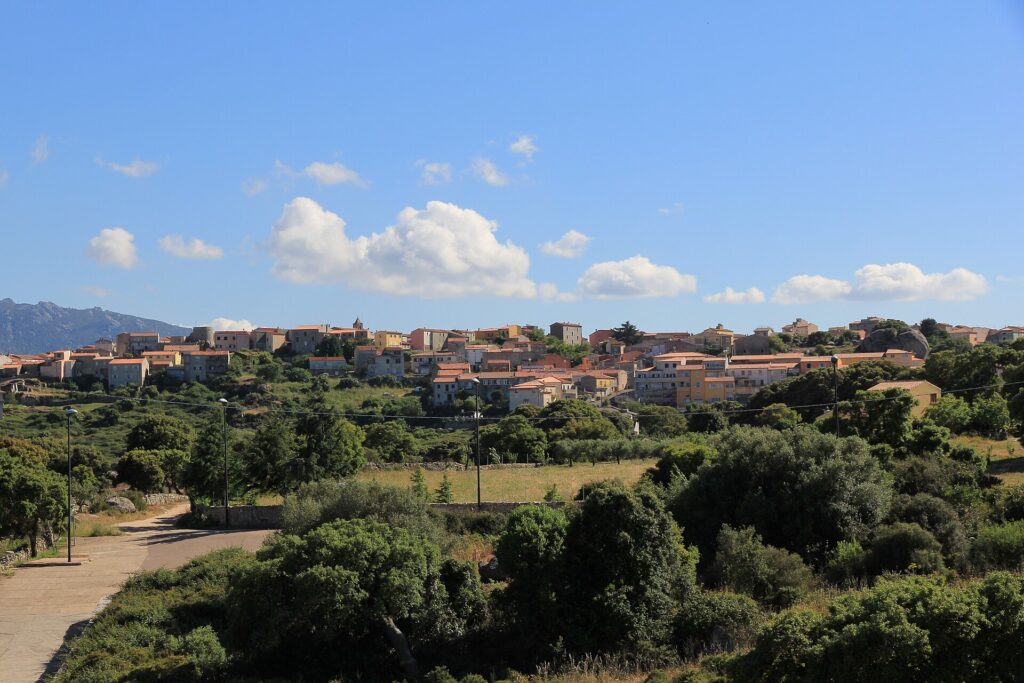
Luras is a village in upper Gallura at about 500 metres, at the foot of Monte Limbara next to Calangianus. Although it lies in the heart of Gallura, people here speak a variety of Logudorese Sardinian, a sign of its unusual history. It's the village of dolmens, with four megalithic monuments out of fewer than eighty in all of Sardinia, a wild olive tree over 3,000 years old and an ethnographic museum telling the story of the mysterious femina agabbadora. Perfect if you love archaeology, nature and unusual stories.
What to see in Luras
The dolmens
Luras has more dolmens than any other Sardinian town, all dating from around 3500–2700 BC. The largest is the Ladas dolmen, a covered gallery about 6 metres long; Ciuledda has a semicircular plan and is the smallest and oldest, while Alzoledda and Billella are rectangular. The area also has the ruins of six nuraghi.
S'Ozzastru, the ancient wild olive
At Santu Baltolu di Carana, next to the country church of San Bartolomeo, grows S'Ozzastru: a wild olive with a circumference of about 12 metres and an estimated age of 3,000 to 4,000 years. It has been a natural monument since 1991 and is considered one of Italy's oldest trees.
Galluras ethnographic museum
It recreates the interior of a Gallurese home with thousands of objects from the 15th to the 20th century. Its best-known piece is the mallet attributed to the femina agabbadora, the woman who, according to tradition, ended the suffering of the dying.
Churches and the Forteleoni collection
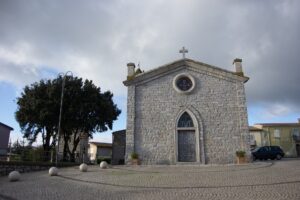
The parish church of Nostra Signora del Rosario, rebuilt in the 18th century, has fine paintings and two marble lions; opposite is Santa Croce (1677), home of the brotherhood. On Piazza del Rosario you can see cork artworks by artist Tonino Forteleoni.
Things to do in Luras
Follow the dolmen trail among cork oaks and granite, on foot or by bike, and head to Lake Liscia, where granite is mirrored in the water. When running, the Trenino Verde tourist train stops at Luras. Discover the experiences offered by local operators below.
History
Dolmens and nuraghi show very ancient settlement. In the Middle Ages Luras belonged to the district of Gemini in the Giudicato (Sardinian kingdom) of Gallura; after 1296 it passed to Pisa and from 1324 to the Aragonese. In the 18th century it became part of the marquisate of Gallura and bought its freedom in 1839.
Food and local products
Luras produces well-regarded wines, especially Vermentino and Nebbiolo, as well as cork and granite crafted by local artisans. At the table, Gallurese cooking with cheeses, soups and meats.
Festivals and traditions
- Holy Week, with rites led by the Santa Croce brotherhood.
- Living nativity at Christmas, with villagers in traditional dress.
Nearby
- Calangianus and its cork museum.
- Tempio Pausania and Monte Limbara.
- Aggius and the Valle della Luna.
- Sant'Antonio di Gallura, on Lake Liscia.
Getting there and when to go
Olbia airport and port are about 40 minutes away by car; Tempio Pausania is about 15 minutes. Spring and autumn are ideal for the dolmens and trails; Holy Week and Christmas are the most intense times for traditions.
FAQ
How old is the Luras wild olive?
Its age is estimated at 3,000 to 4,000 years, making it one of Europe's oldest trees.
Who was the femina agabbadora?
A figure of Sardinian tradition who, according to the stories, helped the dying to pass away; the Galluras museum tells her story.
How long do I need for Luras?
One day for the dolmens, the olive tree and the museum.