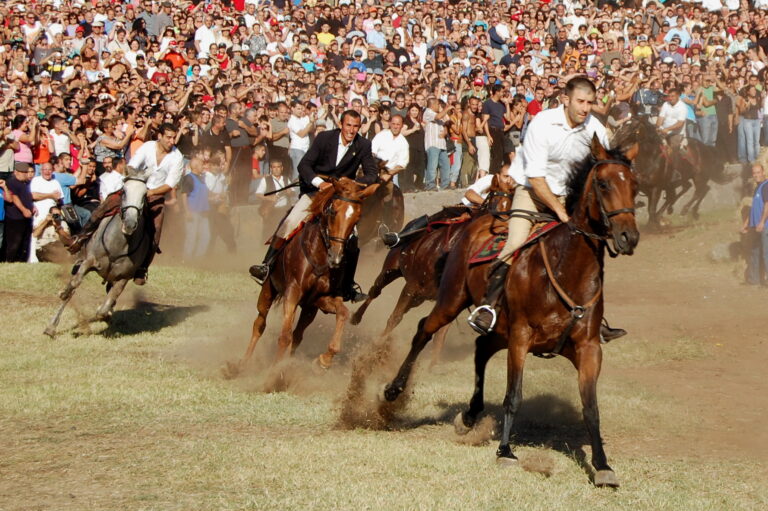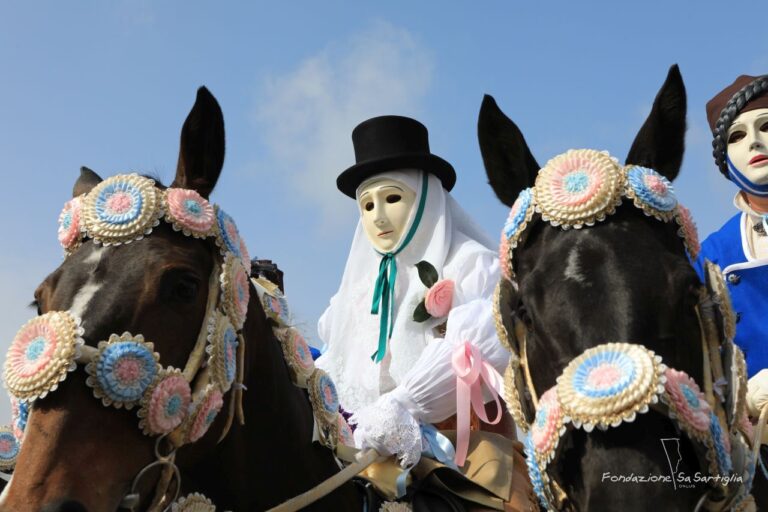
Sartiglia of Oristano 2027
Price on request Discover
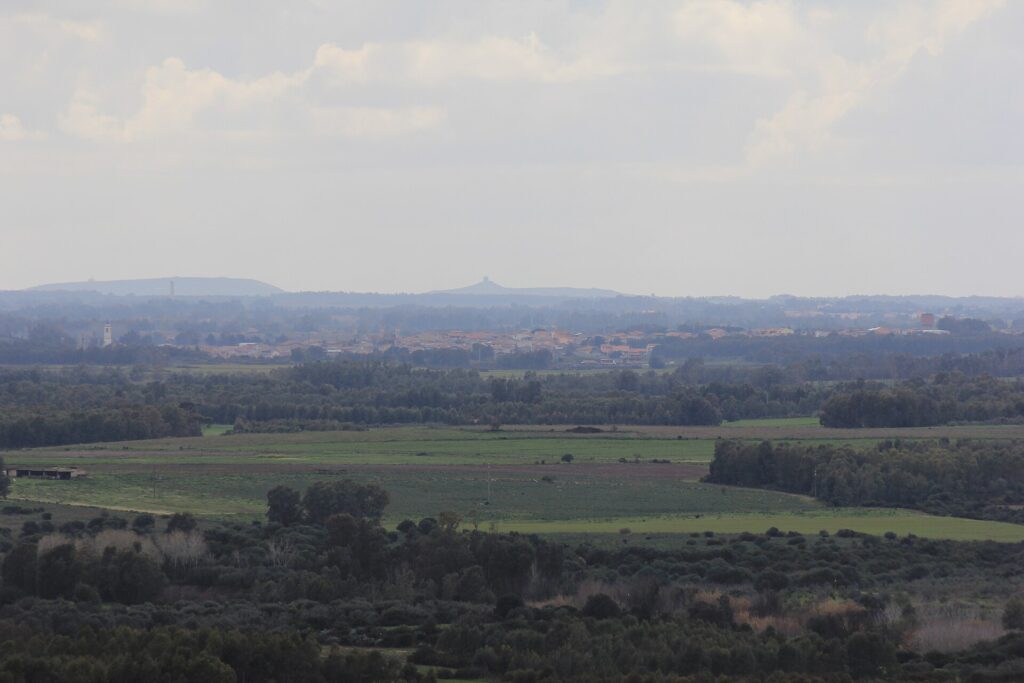
In the farmhouses of the Oristano plain there has always been a bottle kept “for special occasions”: opened when a guest arrives, poured into a small glass next to a plate of almond sweets, raised at weddings and christenings. This is Vernaccia di Oristano, an amber, warm and dry wine with hints of almond blossom and a gently bitter-almond finish. Nothing else in Italy tastes quite like it, and it holds a record: it was Sardinia’s very first DOC, recognised by presidential decree on 11 August 1971.
Vines have grown in the lower Tirso valley for millennia: the official production rules mention Nuragic-era grape seeds found at Sa Osa, near Cabras. The name is thought to come from the Latin vernaculum, “of this place” – the local wine. One of its earliest written mentions appears in the 1327 Breve of Villa di Chiesa (Iglesias). Phylloxera hit the vineyards hard in the late 1800s, and after the war co-operatives and farming families brought the wine back. Today the vineyard area is much smaller than it once was, which makes every bottle a small act of resistance.
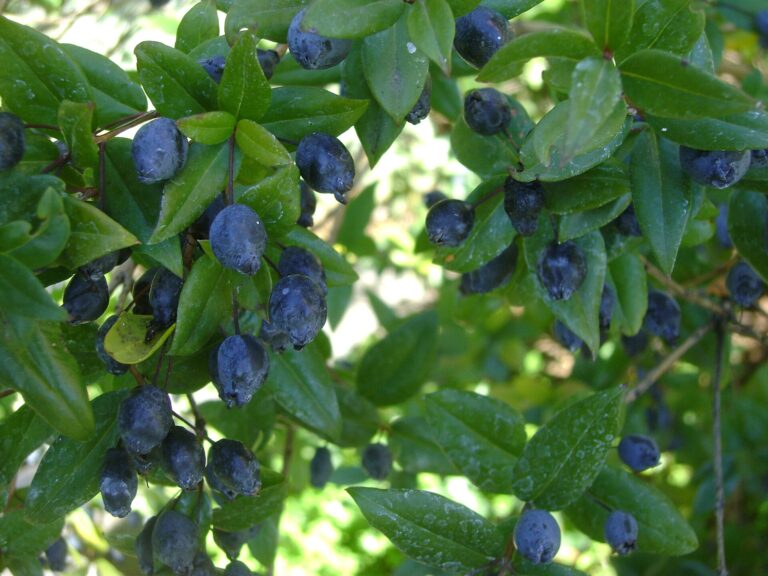
The wine is made exclusively from the Vernaccia di Oristano grape. After fermentation it rests in chestnut or oak casks that are deliberately not filled to the top. A veil of yeast, the flor, forms on the surface and slowly shapes the complex bouquet that locals call murruai. Minimum ageing is two years in cask. The styles are: Vernaccia di Oristano (min. 15% vol), Superiore (at least three years), Riserva (at least four years in cask) and Liquoroso, fortified, from dry to sweet (min. 16.5% vol). The area covers 17 municipalities in the province of Oristano, including Cabras, Zeddiani, Baratili San Pietro, Solarussa, Tramatza, Milis and Narbolia.
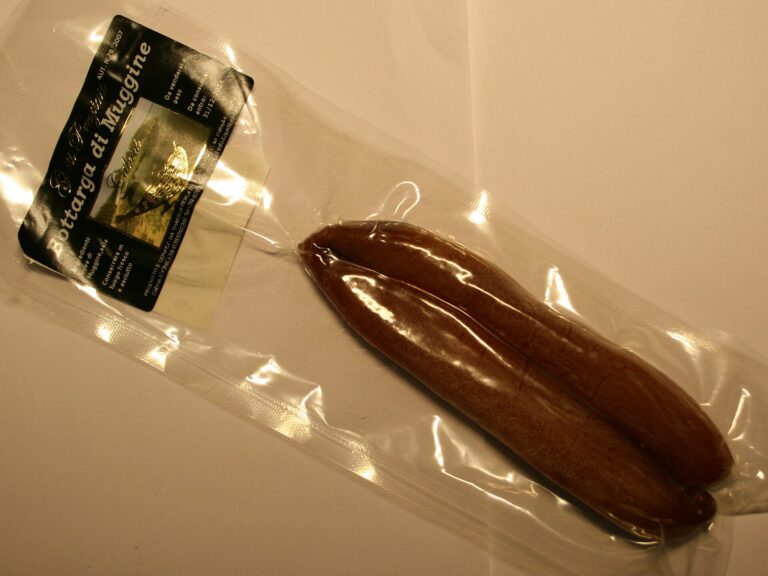
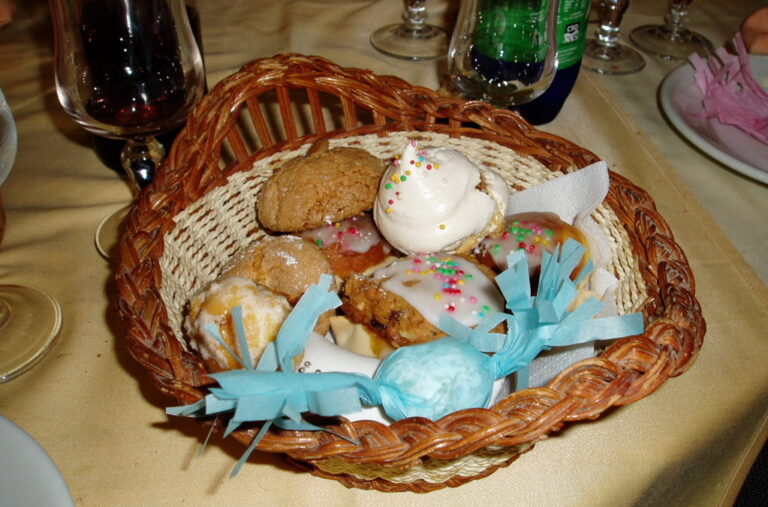
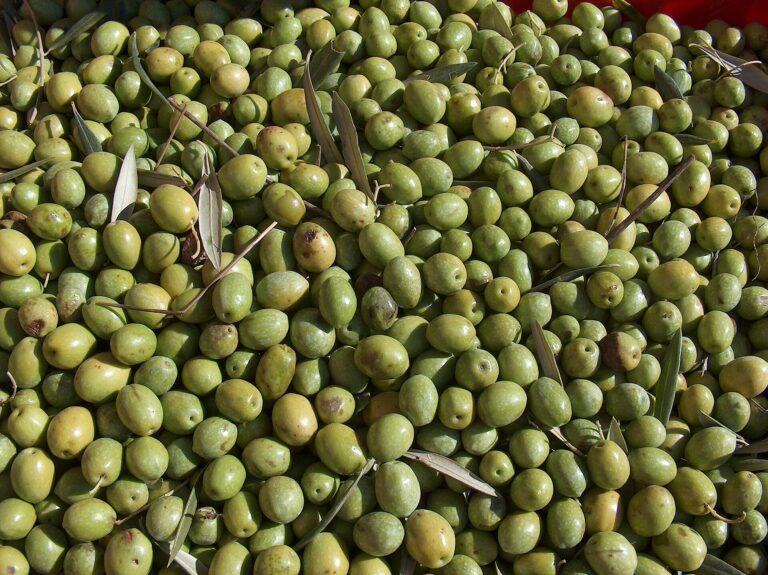
Dry Vernaccia makes a superb aperitif, served cool at around 8-10 °C with olives, Cabras mullet bottarga or aged cheeses. At the table (around 12 °C) it suits strongly flavoured fish dishes and sharp cheeses, but its place of honour is beside Sardinian almond sweets such as amaretti and pabassinas. Cooks also use it to deglaze fish, and it gives its name to a prized vinegar.
Head to the villages between Oristano and the Sinis peninsula – Cabras, Zeddiani, Baratili San Pietro, Tramatza, Donigala Fenugheddu, Solarussa – where historic and family wineries welcome visitors for tastings, usually by appointment. Stepping into a Vernaccia cellar, with its scent of old wood and aged wine, is unforgettable. Check opening times before you go: the Ajò Sardegna team is happy to help you plan the day.
Usually not: the classic style is dry and warm. Only the Liquoroso can be sweet.
No. Despite the shared name they are different grapes and very different wines.
Do you run activities in Sardinia?
Get your own page on Ajò Sardegna: free until 31 May 2027, no commissions, with customer requests coming straight to you. If you like, we prepare the page for you.
Hi!
Can I help you?
Lia is an AI-based virtual assistant and can make mistakes: always check with the operator. Please don't share personal data. Privacy